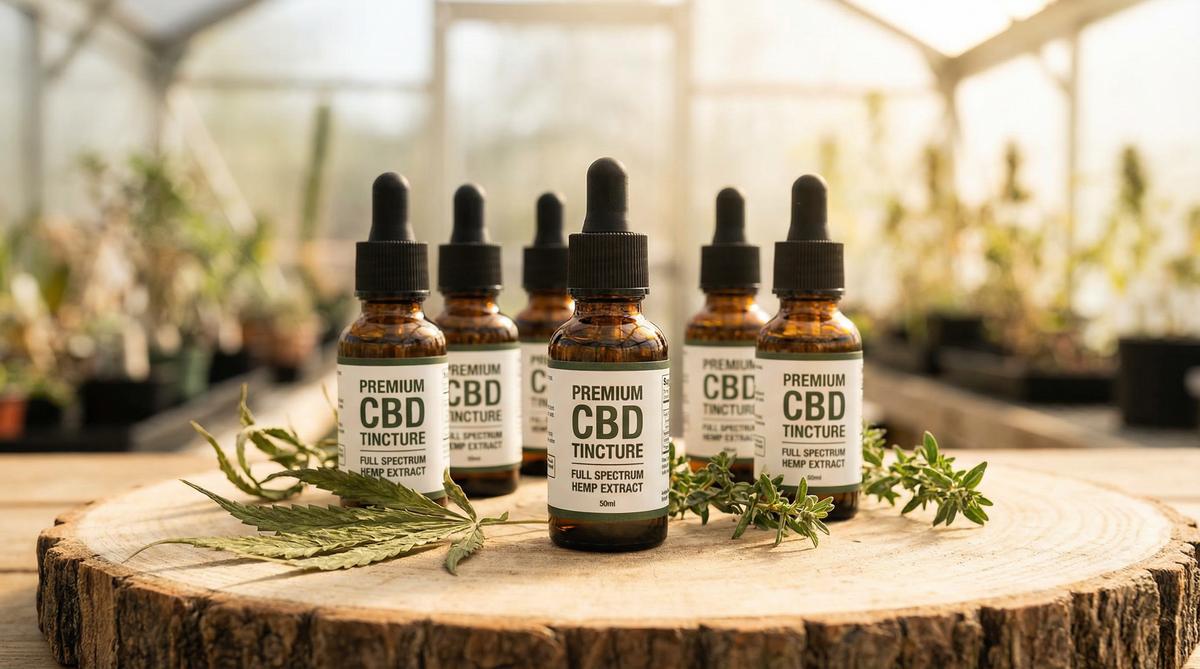
CBD Oil Side Effects: What Chronic Pain Patients Should Know
By Dr. Michael Torres
If you’re living with chronic pain, you know how exhausting it can be to find relief that truly works. Over the past few years, many patients have turned to CBD oil as a natural alternative to traditional medications. But before you jump in, it’s crucial to understand not just the benefits, but also the potential side effects of CBD oil. Let me walk you through what you need to know, so you can make an informed decision.
What Is CBD Oil?
CBD, or cannabidiol, is a compound derived from the cannabis plant. Unlike THC, it doesn’t cause psychoactive effects — meaning it won’t make you feel “high.” Instead, many people use it to manage symptoms like pain, inflammation, and anxiety. For chronic pain patients, it’s become a promising option because of its potential to reduce discomfort without the harsh side effects of some prescription drugs.
Common Side Effects of CBD Oil
While CBD is generally considered safe, it’s important to remember that everyone’s body reacts differently. Here are some side effects you might experience:
- Dry mouth: Some users report feeling less saliva production, which can be uncomfortable but manageable by staying hydrated.
- Drowsiness or fatigue: Especially when starting CBD or increasing the dose, you might feel more tired than usual.
- Digestive issues: Nausea, diarrhea, or changes in appetite can occur, typically when taking high doses.
- Changes in mood: While rare, some people experience irritability or mood changes.
According to the NHS, these side effects tend to be mild and often improve with dose adjustments.
How Does CBD Interact With Other Medications?
This is a big one. Many chronic pain patients take multiple medications, so understanding interactions is crucial. CBD can affect how your liver metabolizes certain drugs, potentially altering their effectiveness or causing side effects.
The FDA warns that CBD can interact with medicines like blood thinners, anticonvulsants, and some antidepressants.
My advice? Always chat with your healthcare provider before starting CBD, especially if you’re on prescription medications.
Comparing Side Effects: CBD Oil vs. Traditional Pain Medications
To give you a clearer picture, here’s a quick comparison table outlining side effects seen with CBD oil and common pain medications:
| Medication | Common Side Effects | Risk Level |
|---|---|---|
| CBD Oil | Dry mouth, drowsiness, digestive issues | Low to moderate |
| NSAIDs (e.g., Ibuprofen) | Stomach ulcers, kidney damage, increased bleeding risk | Moderate to high |
| Opioids | Constipation, dizziness, addiction potential, respiratory issues | High |
| Antidepressants (for pain) | Weight gain, sexual dysfunction, insomnia | Moderate |
Tips to Minimize Side Effects When Using CBD Oil
Want to give CBD a try but worried about side effects? Here are some pointers:
- Start low and go slow: Begin with a low dose and gradually increase as needed.
- Choose high-quality products: Look for third-party lab tested oils to ensure purity and potency.
- Stay hydrated: This helps reduce dry mouth and supports overall wellness.
- Monitor your body’s response: Keep a journal to track any side effects or improvements.
- Consult your doctor: Especially if you’re on other medications or have existing health conditions.
Frequently Asked Questions about CBD Oil Side Effects
1. Can CBD oil make my chronic pain worse?
CBD oil is generally used to reduce pain, but if you experience increased pain or discomfort, stop use and speak to your healthcare provider.
2. Is it safe to use CBD oil long-term?
Research is ongoing, but current studies suggest CBD is safe for long-term use with minimal side effects when used properly.
3. Will CBD oil cause me to fail a drug test?
Most drug tests look for THC, not CBD. However, some CBD products contain trace amounts of THC, so choose products carefully if this is a concern.
4. How can I tell if my side effects are from CBD or something else?
Starting with a low dose and monitoring your reaction helps. Discuss any side effects with your doctor to rule out other causes.
5. Can children with chronic pain use CBD oil?
CBD use in children should only be considered under strict medical supervision due to limited research and different metabolism.
Final Thoughts: Is CBD Oil Right For You?
CBD oil has opened a new path for many chronic pain sufferers looking for relief without the harsh side effects of traditional medications. That said, like any treatment, it’s not without potential side effects and risks. Being informed and working closely with your healthcare provider will help you navigate this option safely.
If you’re ready to explore high-quality CBD oil products, check out our top recommended oils here — rigorously tested for purity and potency.
Ready to start your journey toward better pain management? Click here to find the perfect CBD oil for your needs and begin feeling better today.