How to Identify High-Quality CBD Oil for Pain Management
Hi, I’m Dr. Michael Torres, and if you’re like many of my patients and readers, you’re probably exploring CBD oil as a natural way to manage your chronic pain. With dozens of products on the market, it can feel overwhelming to know which CBD oil is truly trustworthy and effective. Today, I’m going to walk you through how to spot high-quality CBD oil that can genuinely support your pain relief journey.
Why Quality Matters in CBD for Chronic Pain
CBD, or cannabidiol, has gained significant attention for its potential to alleviate chronic pain without the side effects of traditional medications. But not all CBD oils are created equal. Using low-quality or mislabeled products can mean wasting your money or, worse, putting substances into your body that might be harmful. The NHS emphasizes the importance of buying from reputable sources to ensure safety and effectiveness.
Step 1: Check the Source of the Hemp
High-quality CBD oil starts with high-quality hemp. Ideally, the hemp should be grown organically without pesticides, herbicides, or chemical fertilizers. Hemp tends to absorb toxins from the soil, so knowing where it’s grown is crucial. Look for products sourced from countries with strict agricultural regulations like the United States, Canada, or members of the European Union.
Why Organic Matters
Organic hemp farming promotes soil health and minimizes exposure to harmful chemicals. According to a study published in Frontiers in Plant Science, hemp grown in clean soil accumulates fewer heavy metals and contaminants, which is safer for consumers.
Step 2: Confirm Third-Party Lab Testing (COAs)
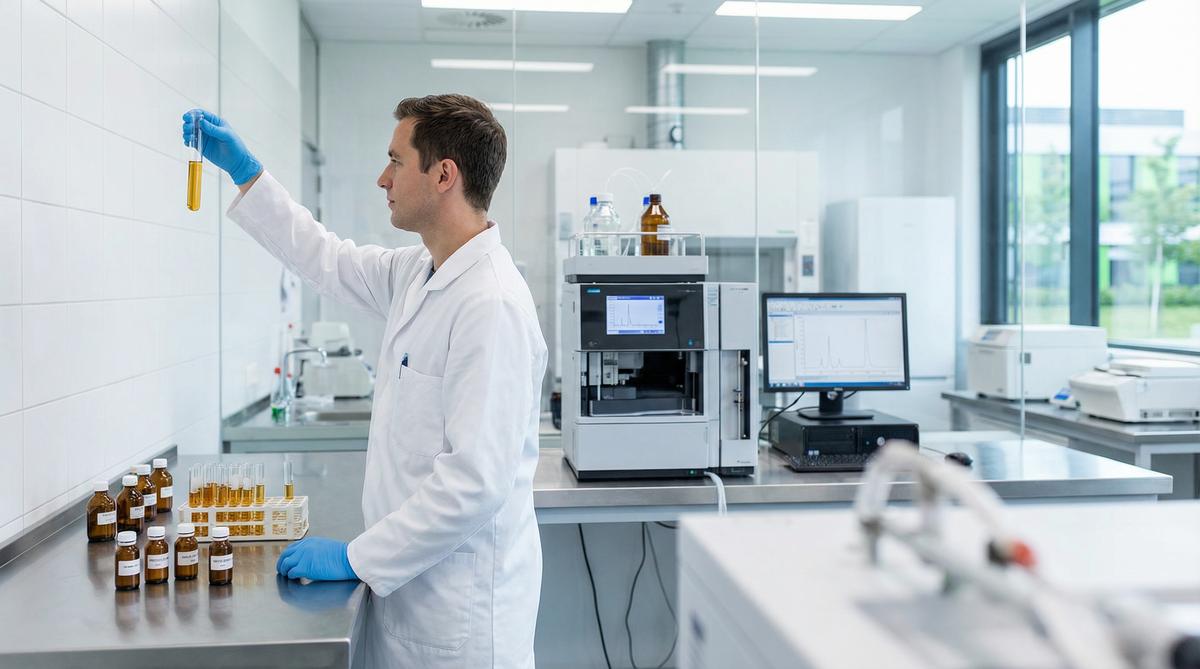
One of the most important steps is verifying that the product has been tested by an independent laboratory. These lab reports, called Certificates of Analysis (COAs), verify that the CBD concentration matches the label and check for contaminants like pesticides, heavy metals, and molds.
When shopping, always ask for or look up the COA online. If you don’t see it readily available, be wary. The FDA warns consumers to be cautious about mislabeled products and stresses the importance of transparency.
Step 3: Understand CBD Extraction Methods
The way CBD is extracted from hemp affects its purity and potency. Here are the common extraction methods:
- CO2 Extraction: Considered the gold standard. It uses pressurized carbon dioxide and does not leave harmful residues.
- Solvent Extraction: Uses substances like ethanol or butane. This method can be cheaper but may leave behind solvent residue if not done correctly.
- Oil Infusion: An older method that uses carrier oils but is less efficient.
For pain management, I recommend CBD oils extracted with CO2 for the cleanest products.
Step 4: Review the THC Content and Type of CBD Oil
CBD products come in three main types:
- Full-spectrum: Contains all cannabinoids including trace THC (below legal limits).
- Broad-spectrum: Contains multiple cannabinoids but no THC.
- CBD Isolate: Pure CBD with no other cannabinoids.
Some research, such as a report from the National Institutes of Health, suggests full-spectrum oils may have enhanced benefits due to the “entourage effect.” However, if you’re sensitive to THC or undergo drug testing, broad-spectrum or isolate products might be safer options.
Step 5: Assess the Ingredients and Transparency
Check the ingredient list. High-quality oils typically include a carrier oil like MCT (medium-chain triglycerides) oil, which helps with absorption. Avoid products with unnecessary additives, artificial flavors, or preservatives.
Moreover, a trustworthy brand will provide clear information about dosage, extraction methods, and even customer service support.
Comparison of Popular CBD Extraction Methods and Product Types
| Factor | CO2 Extraction | Solvent Extraction | Oil Infusion |
|---|---|---|---|
| Purity | High | Medium (risk of residue) | Low |
| Toxic Residues | None | Possible | None |
| Cost | Higher | Lower | Low |
| Common Use | Premium products including pain management | Mass-market products | Homemade or small-batch |
Bonus Tips for Buying CBD Oil for Chronic Pain
- Start with Low Doses: Begin with a small amount to assess how your body responds.
- Read Customer Reviews: Real user experiences can provide insights beyond marketing claims.
- Consult Your Healthcare Provider: Especially if you’re on other medications.
Ready to Try High-Quality CBD Oil for Pain?
If you’re looking for products I personally trust, check out these options with verified lab results and excellent customer feedback:
- Premium Full-Spectrum CBD Oil — Perfect for those seeking the entourage effect.
- Broad-Spectrum THC-Free CBD Oil — Great for drug testing concerns.
Both are formulated to help ease chronic pain and come with transparent lab testing so you know exactly what you’re getting.
Frequently Asked Questions
Is CBD oil safe for long-term use to manage chronic pain?
Studies suggest CBD is generally well tolerated for long-term use, but it’s important to consult your doctor, especially if you have underlying health conditions.
Will CBD oil make me fail a drug test?
Full-spectrum CBD oils contain trace amounts of THC which could show up on tests. Broad-spectrum or isolate products contain no THC, reducing this risk.
How long does it take for CBD oil to relieve pain?
Effects vary by individual and product type, but many people report relief within 30 minutes to an hour after taking CBD oil.
Can I use CBD oil alongside my prescription pain medications?
Consult your healthcare provider to avoid interactions. CBD can affect the metabolism of some medications.
What dosage of CBD oil should I start with for chronic pain?
Start low, around 5-10 mg per day, and gradually increase until you achieve desired relief. Everyone’s response is different.
Final Thoughts
Finding high-quality CBD oil for chronic pain isn’t about chasing the cheapest or flashiest product. It’s about transparency, purity, and trust. By following these guidelines, you’ll be equipped to choose a CBD oil that’s safe, effective, and tailored to your needs.
Remember, your health is a journey. Make informed choices and lean on reliable resources—and if you ever have questions, I’m here to help.
Ready to take the next step? Explore our top-ranked full-spectrum CBD oil or try a broad-spectrum THC-free alternative to start feeling better today.
Thank you for reading, and here’s to your wellness journey!
— Dr. Michael Torres