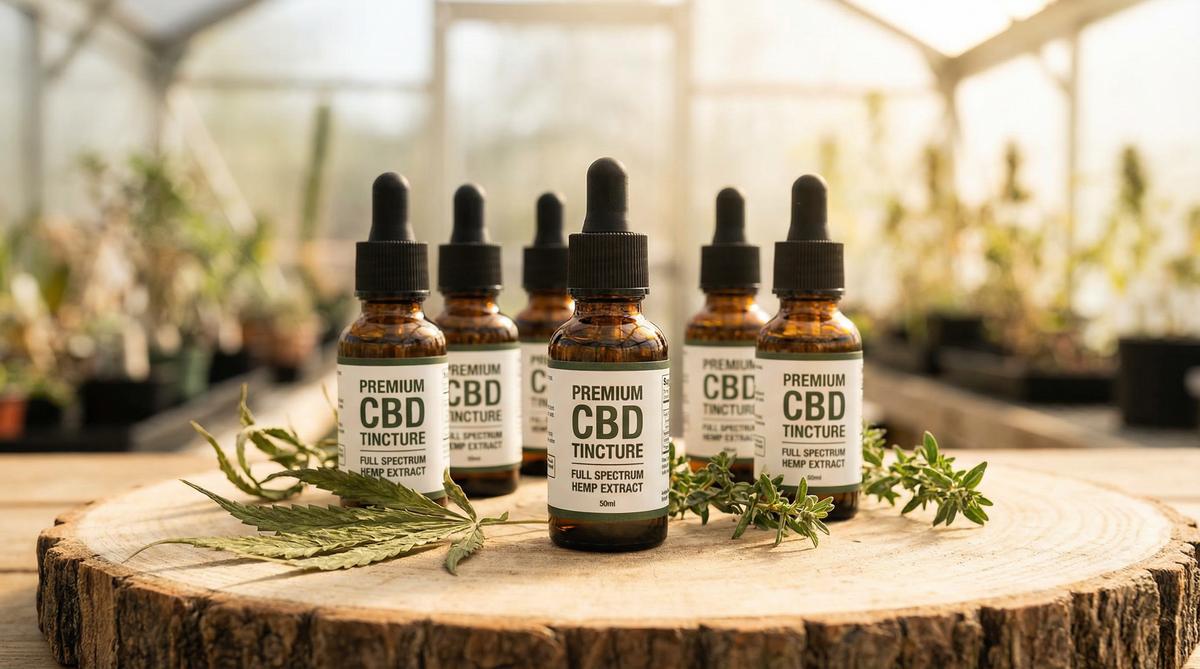
The Science Behind CBD Oil and Chronic Pain: A Deep Dive
Hello! I’m Dr. Michael Torres, and today, I want to take you on a journey through the fascinating science behind CBD oil and its potential benefits for chronic pain relief. As someone who’s spent years studying pain management, I know how frustrating and debilitating chronic pain can be. And if you’re reading this, you’re probably searching for effective, natural alternatives to traditional medications. CBD oil has gained LOTS of attention lately, but what does the science really say? Let’s break it down together.
Understanding Chronic Pain: More Than Just a Nuisance
Chronic pain affects millions worldwide, often persisting beyond typical healing times and severely impacting quality of life. Unlike acute pain, which is a sharp, immediate response to injury, chronic pain is often complex and involves ongoing inflammation, nerve damage, or dysfunctional neural signaling.
Traditional treatments include opioids, anti-inflammatory drugs, and physical therapy. While these can be effective, many come with unwanted side effects and risk of dependency. This is why alternative therapies like CBD oil are garnering attention.
What Is CBD Oil?
Cannabidiol (CBD) is a natural compound derived from the hemp plant, part of the cannabis family. Importantly, CBD is non-psychoactive, meaning it doesn’t produce the “high” associated with THC (tetrahydrocannabinol).
CBD oil extracts these beneficial compounds using methods like CO2 extraction to ensure purity and consistency. People consume CBD oil in various ways—tinctures, capsules, topical creams, or even edibles.
How Does CBD Interact with Our Body?
The magic lies in your body’s endocannabinoid system (ECS), a complex network of receptors, enzymes, and endocannabinoids that help regulate pain, mood, sleep, and immune response.
CBD interacts mainly with two receptor types: CB1 (primarily in the brain and nervous system) and CB2 (mostly in the immune system). Unlike THC, CBD doesn’t bind directly but modulates these receptors, influencing pain and inflammation pathways.
The Science: CBD Oil and Chronic Pain
Multiple studies have investigated CBD’s role in managing chronic pain. For example, a 2020 review published in Frontiers in Pharmacology concluded that CBD has anti-inflammatory and analgesic properties relevant to chronic pain conditions (1).
Moreover, a clinical trial referenced by the National Health Service (NHS) highlights that cannabinoids may be beneficial for neuropathic pain, which is notoriously difficult to treat (2).
The US Food and Drug Administration (FDA) has approved Epidiolex, a CBD-based drug, for certain seizure disorders, which underscores the compound’s medicinal potential (3). While more research is needed specifically for chronic pain, evidence so far is promising.
CBD Oil vs. Traditional Pain Relievers: A Quick Comparison
| Aspect | CBD Oil | Traditional Pain Relievers |
|---|---|---|
| Mechanism | Modulates ECS receptors, reduces inflammation | Blocks pain signals or reduces inflammation via different pathways |
| Side Effects | Mild (fatigue, dry mouth), generally well-tolerated | Varies; can include GI issues, dependency, tolerance |
| Dependency Risk | Low to none | High with opioids |
| Legal Status | Legal in many regions, regulated | Prescription-only or OTC |
What Does This Mean for You?
If you’re struggling with chronic pain, CBD oil could be a valuable addition to your pain management toolkit. While it’s not a miracle cure, many patients report improvements in pain levels and quality of life. Remember, results vary, and it’s essential to consult your doctor before starting any new supplement, especially if you’re on other medications.
Frequently Asked Questions (FAQs)
1. Is CBD oil safe for long-term use?
Generally, CBD oil has a good safety profile with minimal side effects. However, long-term studies are still ongoing, so always start with a low dose and monitor your body’s response.
2. Will CBD oil make me feel “high”?
No. CBD is non-psychoactive and doesn’t produce intoxication like THC.
3. How do I choose a high-quality CBD oil?
Look for products that provide third-party lab testing, clear labeling, and are sourced from reputable companies.
4. Can CBD oil interact with my current medications?
Yes, CBD can affect how some medications are metabolized. Always consult your healthcare provider before combining CBD with other drugs.
5. How long before I see pain relief after taking CBD oil?
This depends on the individual and method of consumption, but many report effects within 30 minutes to a couple of hours.
Ready to Try CBD Oil for Your Chronic Pain?
If you’re curious about exploring CBD oil as part of your pain management strategy, click here to check out top-quality CBD oil products I personally recommend. These options are tested for purity and potency, so you can start your journey with confidence.
Also, don’t miss our exclusive offers and discounts available only through this special deals page. Take control of your pain today — your body will thank you!