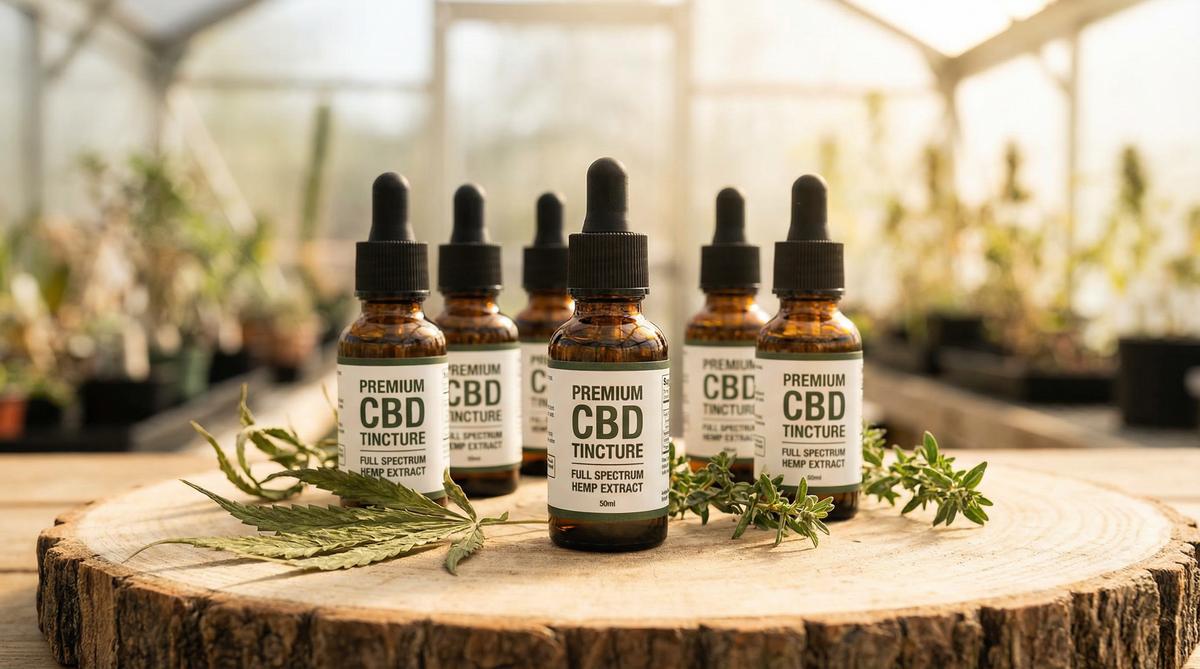
Broad-Spectrum vs Full-Spectrum CBD Oil: What Works Best for Chronic Pain?
By Dr. Michael Torres
If you’re like many people battling chronic pain, you’ve probably come across CBD oil as a potential relief option. But here’s the tricky part: not all CBD oils are created equal. You’ve likely seen terms like full-spectrum and broad-spectrum tossed around—and wondered, “Which one will actually work best for my pain?”
As someone who’s dedicated years to researching pain management solutions, I’m here to break down these two types of CBD oil in a way that’s easy to understand, so you can make an informed choice that suits your needs.
Understanding the Basics: What Are Full-Spectrum and Broad-Spectrum CBD Oils?
Full-Spectrum CBD Oil
Full-spectrum CBD oil contains all the naturally occurring compounds found in the cannabis plant, including CBD, trace amounts of THC (usually under 0.3%), other cannabinoids, terpenes, and flavonoids. This rich combination is thought to produce what’s called the “entourage effect,” where the different compounds work synergistically to enhance therapeutic benefits.
Broad-Spectrum CBD Oil
Broad-spectrum CBD oil is similar but with one key difference: the THC is completely removed or undetectable. You still get many cannabinoids, terpenes, and flavonoids, but it’s THC-free. This option is perfect for those who want to avoid THC for legal reasons, drug testing concerns, or personal preference.
How Do These Spectrums Affect Chronic Pain?
Chronic pain can be stubborn and complex. Luckily, research suggests that CBD’s interaction with our body’s endocannabinoid system may help modulate pain and inflammation.
Studies show that full-spectrum CBD often provides more potent relief due to the entourage effect. For example, a 2015 study published in Frontiers in Neurology highlighted how full-spectrum extracts were more effective at treating neuropathic pain than CBD isolate alone (the purest form of CBD) [1].
However, broad-spectrum CBD isn’t far behind. Many users report significant pain relief without any THC exposure, which is reassuring if you’re sensitive to THC or need to avoid it altogether.
Side Effects and Safety Considerations
Both types are generally well-tolerated. The NHS acknowledges that CBD can cause minor side effects like dry mouth, fatigue, and dizziness in some people [2]. Since full-spectrum contains trace THC, it may potentially show up on sensitive drug tests, which broad-spectrum usually will not.
The FDA also advises caution and recommends buying CBD from reputable sources with third-party lab testing to ensure quality and safety [3].
Quick Comparison Table
| Feature | Full-Spectrum CBD Oil | Broad-Spectrum CBD Oil |
|---|---|---|
| Contains THC | Yes (0.3% or less) | No (trace amounts removed) |
| Entourage Effect | Strong | Moderate to Strong |
| Drug Test Risk | Possible | Minimal to none |
| Legal Status | Legal federally if THC <0.3% (varies by state/country) | Legal federally (THC free), check local laws |
| Best For | Those seeking maximum therapeutic benefit and no drug test concerns | Individuals avoiding THC but wanting benefits from multiple cannabinoids |
Which One Should You Choose for Your Chronic Pain?
Choosing between full-spectrum and broad-spectrum CBD oil comes down to your personal priorities:
- Want the strongest effect? Full-spectrum may offer the most comprehensive pain relief.
- Worried about THC or drug testing? Broad-spectrum is your safer bet.
- New to CBD? Start with small doses to see how your body reacts.
Don’t forget, quality matters just as much as spectrum type. Always buy from reputable brands that provide third-party lab reports to ensure purity and potency.
My Recommended CBD Products for Chronic Pain Relief
To save you the legwork, here are two trusted options I personally endorse, both backed by rigorous lab testing and positive user feedback:
- PureRelief Full-Spectrum CBD Oil – Perfect if you want the full entourage effect and potent pain relief.
- CalmEase Broad-Spectrum CBD Oil – Ideal for those avoiding THC but still seeking multiple cannabinoid benefits.
Frequently Asked Questions
1. Will full-spectrum CBD oil make me feel high?
No. Full-spectrum CBD oil contains only trace amounts of THC (less than 0.3%), which is not enough to produce a psychoactive effect.
2. Can I take CBD oil with my current medications?
CBD can interact with certain medications. It’s important to consult your healthcare provider before starting CBD, especially if you’re on blood thinners or other prescribed drugs.
3. How long does it take for CBD oil to relieve chronic pain?
It varies by individual and product. Some people notice relief within 30 minutes to an hour, while for others it may take several days of consistent use.
4. Is CBD oil legal where I live?
Legal status varies by country and state. In the UK, for example, CBD products must contain less than 0.2% THC and be derived from authorized hemp strains [4]. Check your local regulations before purchasing.
5. Are there any side effects I should watch out for?
Most people tolerate CBD well, but possible side effects include dry mouth, fatigue, dizziness, and changes in appetite.
Final Thoughts
Both broad-spectrum and full-spectrum CBD oils can be valuable tools in your chronic pain management arsenal. If maximizing relief is your top priority and you’re not concerned about THC, full-spectrum might be the way to go. But if you want to steer clear of THC for any reason, broad-spectrum still offers a powerful and effective alternative.
Remember, always start with a low dose and increase gradually while monitoring how your body responds.
If you’re ready to try a premium full-spectrum or broad-spectrum CBD oil formulated specifically for chronic pain, check out these trusted Full-Spectrum CBD Oil and Broad-Spectrum CBD Oil options that I recommend.
Here’s to finding your path to relief!
— Dr. Michael Torres