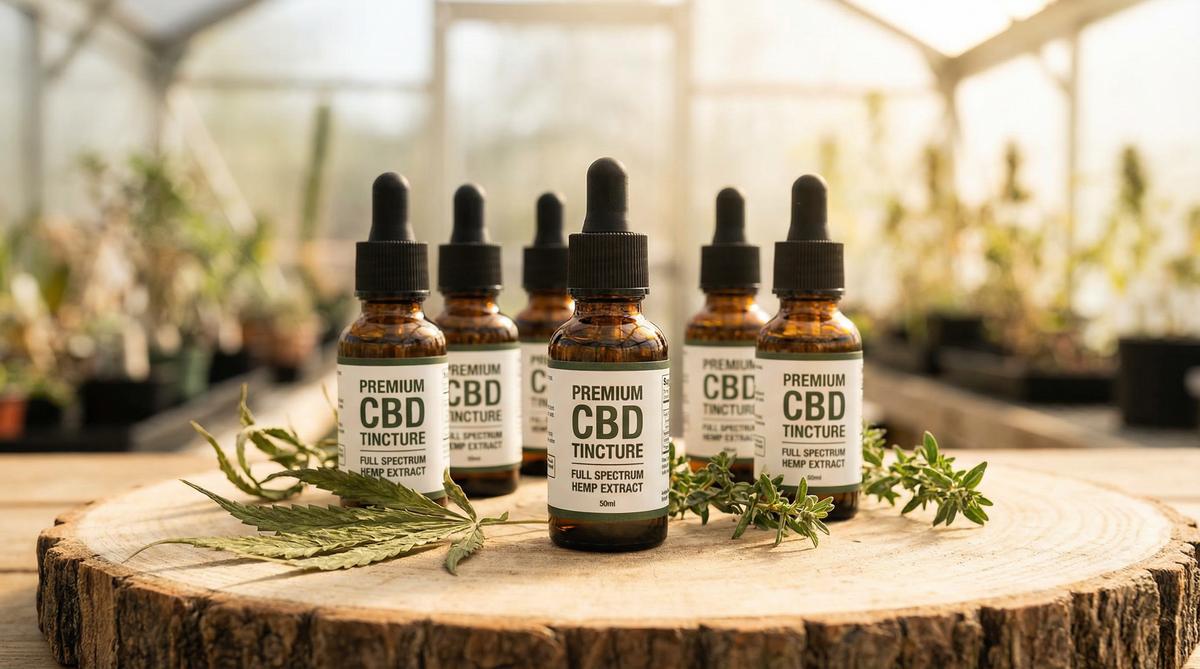
How to Incorporate CBD Oil into Your Chronic Pain Treatment Plan
Hi, I’m Dr. Michael Torres. If you’re like many people living with chronic pain, you’re constantly seeking effective ways to manage your symptoms without the harsh side effects of traditional medications. Over recent years, CBD oil has emerged as a promising addition to pain management strategies, and today, I want to share how you can thoughtfully incorporate this natural remedy into your routine.
Why Consider CBD Oil for Chronic Pain?
Chronic pain affects millions worldwide, and many patients feel frustration with limited relief from standard treatments. Cannabidiol (CBD), derived from the hemp plant, doesn’t produce a “high” like THC and has been studied for its anti-inflammatory and analgesic properties.
According to the NHS, while more research is needed, some patients report improvements in pain and sleep quality when using CBD oil. The FDA also highlights that CBD is generally well-tolerated, but cautions about quality and dosage variability in commercial products.
Step 1: Consult Your Healthcare Provider
Before adding CBD oil to your regimen, it’s essential to discuss it with your doctor or pain specialist. They can evaluate your current medications and health status to avoid any potential interactions or contraindications.
CBD can interact with drugs metabolized by the liver’s cytochrome P450 enzyme system, potentially altering their effectiveness. Your healthcare provider can help design a safe and effective plan tailored to your needs.
Step 2: Choose a High-Quality CBD Oil
Not all CBD oils are created equal. When selecting a product, look for:
- Third-party lab testing: Ensures product purity and potency.
- Full-spectrum or broad-spectrum extracts: These often provide enhanced benefits thanks to the “entourage effect” of cannabinoids working together.
- Clear ingredient list: Avoid products with unnecessary additives or fillers.
Here’s a quick comparison table of some common CBD oil types:
| Type | THC Content | Potential Benefits | Best For |
|---|---|---|---|
| Full-Spectrum | Up to 0.3% | Enhanced relief via entourage effect | Those seeking maximum benefit and aren’t subject to drug testing |
| Broad-Spectrum | 0% | Benefits of multiple cannabinoids without THC | Individuals avoiding THC for personal or work reasons |
| Isolate | 0% | Pure CBD, no other cannabinoids | Those sensitive to THC or other cannabinoids |
Step 3: Determine Your Dosage
Finding the right CBD dosage can be a bit like tuning an instrument—it takes patience. Start low (often 5-10 mg per day) and gradually increase until you notice relief. Everyone’s endocannabinoid system responds differently, so personalization is key.
A 2017 review in the Journal of Pain Research found that CBD doses ranging from 2.5 mg to 20 mg per kilogram of body weight showed effectiveness with minimal side effects.
Keep a journal of your daily dosage, symptom changes, and any side effects you notice. This will help you and your doctor adjust the plan over time.
Step 4: Integrate CBD Oil with Your Existing Pain Management Plan
CBD isn’t necessarily a replacement for other treatments but can complement therapies like physical therapy, medications, lifestyle changes, and mindfulness techniques.
Try taking CBD oil consistently at the same times each day—many prefer morning and evening dosing. Be mindful of how your body reacts over days and weeks, and maintain open communication with your healthcare provider.
Step 5: Monitor for Side Effects and Effectiveness
CBD is generally well-tolerated, but some people experience mild side effects such as fatigue, dry mouth, or changes in appetite. If these occur, adjust your dose or consult with your doctor.
Regularly evaluate whether your pain levels, sleep quality, and overall quality of life are improving. This will inform whether CBD oil is a worthwhile addition to your chronic pain management.
Affiliate Recommendations: Trusted CBD Oils Worth Considering
To help you get started, here are two high-quality CBD oils I trust clinically and recommend for those managing chronic pain:
- ReliefPlus Full-Spectrum CBD Oil – Offers a potent blend with 0.3% THC, third-party tested, and organic hemp sourced.
- PainFree Broad-Spectrum CBD Oil – THC-free with a smooth taste, ideal for those who want benefits without THC.
Frequently Asked Questions About CBD Oil and Chronic Pain
Is CBD oil legal?
In many countries, including the U.S. and UK, CBD oil derived from hemp with less than 0.3% THC is legal. However, regulations vary, so always check local laws.
Will CBD oil make me feel “high”?
No, CBD is non-psychoactive and does not produce a high or intoxication.
How long does it take for CBD oil to work for pain?
Some people notice relief within 30 minutes to an hour, while for others, it may take several weeks of consistent use.
Can I take CBD oil with other medications?
It can interact with certain medications, so consult your healthcare provider before combining CBD with other drugs.
Are there any side effects of CBD oil?
Generally mild and may include fatigue, dry mouth, or digestive discomfort.
Final Thoughts
Incorporating CBD oil into your chronic pain treatment plan can be a game-changer — providing natural relief and improving your quality of life. Remember, start slow, be consistent, and work closely with your healthcare provider.
If you’re ready to explore CBD oil, check out these products I personally recommend: ReliefPlus Full-Spectrum CBD Oil or PainFree Broad-Spectrum CBD Oil.
Wishing you a journey toward better pain management,
Dr. Michael Torres