How to Identify High-Quality CBD Oil for Chronic Pain: A Doctor’s Guide
By Dr. Michael Torres
Living with chronic pain is tough. As someone who’s been researching pain management for years, I understand how overwhelming it can be to find a reliable, effective solution. CBD oil has gained significant attention as a natural option to help alleviate chronic pain symptoms. But with so many products flooding the market, how can you tell which ones are truly high-quality and worth your investment?
Why Quality Matters When Choosing CBD Oil for Chronic Pain
Not all CBD oils are created equal. The benefits you experience can vary widely depending on the product’s purity, potency, and manufacturing process. Low-quality CBD oil might contain contaminants, artificial additives, or ineffective doses that won’t provide the relief you need—or worse, might even cause unwanted side effects.
According to the NHS, it’s essential to choose products from reputable sources that provide transparent testing and ingredient lists. This ensures you’re getting a safe product that meets regulatory standards.
Key Indicators of High-Quality CBD Oil
1. Third-Party Lab Testing
One of the most important things to look for is third-party lab certification. This means an independent lab has analyzed the product for potency and contaminants like heavy metals, pesticides, and solvents. These reports—often called Certificates of Analysis (COAs)—should be easy to access on the company’s website or by request.
2. Source of the Hemp
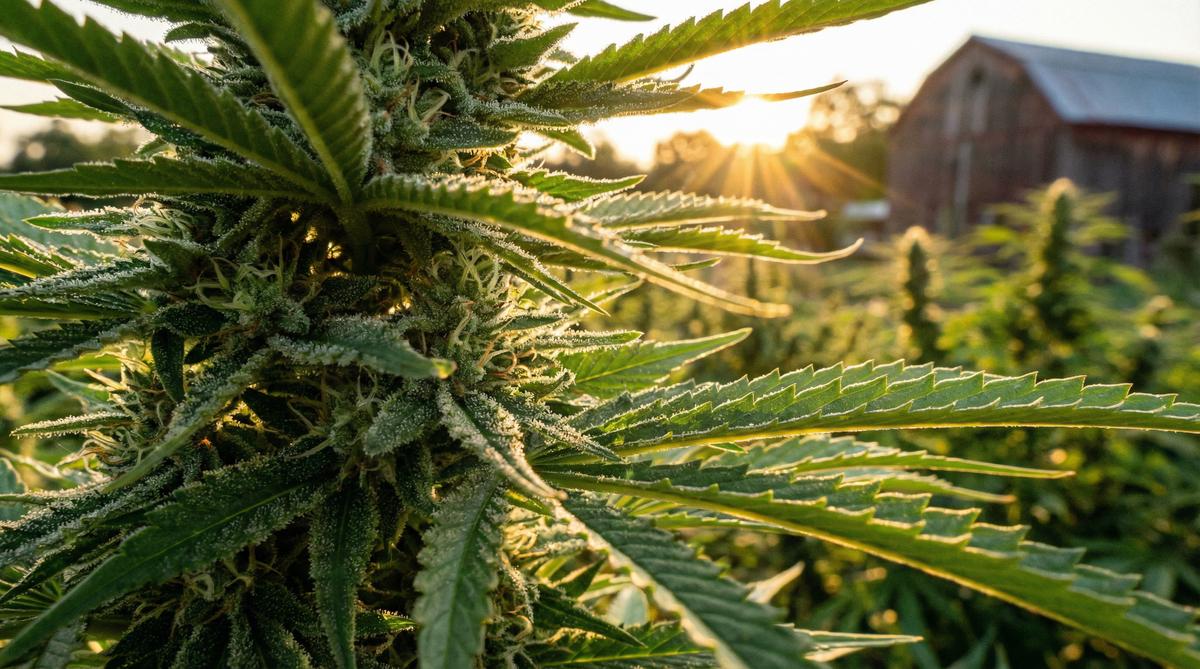
The quality of hemp plants greatly influences the CBD oil’s quality. Ideally, hemp should be organically grown in the U.S. or Europe under strict agricultural guidelines. This reduces the risk of harmful chemicals making their way into the final product.
3. Extraction Method
CO2 extraction is considered the gold standard for producing pure, potent CBD oil without harmful residues. Avoid products that use cheap extraction methods like butane or propane, as these can leave behind unsafe solvents.
4. Full-Spectrum vs. Isolate
Full-spectrum CBD oils contain a wide range of cannabinoids, terpenes, and flavonoids that work synergistically, often providing better relief—a phenomenon known as the ‘entourage effect.’ However, they may contain trace amounts of THC (below 0.3%).
Isolates contain only pure CBD and no other cannabinoids. These are good if you want to avoid THC entirely but may not be as effective for some people.
Comparing Popular CBD Oils for Chronic Pain
| Product | Source | Extraction Method | Type | Third-Party Lab Tested | Price Range |
|---|---|---|---|---|---|
| Premium Relief CBD Oil | US Organic Hemp | CO2 Extraction | Full-Spectrum | Yes (COA Available) | $$$ |
| Pure Pain Relief Isolate | European Hemp | CO2 Extraction | Isolate | Yes (COA Available) | $$ |
| Budget CBD Oil | Unknown | Butane Extraction | Full-Spectrum | No | $ |
My Personal Recommendations
After carefully reviewing many products, here are two CBD oils I trust for chronic pain management:
- Premium Relief CBD Oil: Made from US-grown organic hemp, CO2-extracted, and full-spectrum. It offers comprehensive pain relief thanks to the entourage effect. You can check it out here.
- Pure Pain Relief Isolate: If you prefer THC-free products, this European hemp-derived isolate is a great choice. It’s third-party tested and affordable. Find it here.
What Does the FDA Say About CBD Oil?
The FDA notes that while CBD is being researched for various health conditions including pain, it has not been approved as a dietary supplement or drug outside of specific epilepsy treatments. This makes it even more important to choose products from manufacturers who follow strict quality control and transparency guidelines.
Frequently Asked Questions
1. Can CBD oil completely eliminate chronic pain?
CBD oil may reduce pain and inflammation, but it is not a guaranteed cure. Results vary depending on the individual and dosage.
2. How much CBD oil should I take for chronic pain?
Start with a low dose and gradually increase until you find what works. Consulting with a healthcare professional is recommended.
3. Are there any side effects of using CBD oil?
CBD is generally well-tolerated but may cause dry mouth, drowsiness, or changes in appetite for some people.
4. Can I use CBD oil with other medications?
Some medications can interact with CBD. Always speak with your doctor before combining treatments.
5. Is CBD oil legal?
In many countries, CBD oil derived from hemp with less than 0.3% THC is legal. Check your local laws before purchasing.
Final Thoughts
Choosing high-quality CBD oil can make a significant difference in managing chronic pain effectively. Be diligent about researching brands, verifying lab testing, and understanding product labels. If you want a reliable starting point, I recommend trying one of the two trusted oils I mentioned above.
Explore Pure Pain Relief Isolate
Remember: Always consult your healthcare provider before beginning any new supplement, especially if you have pre-existing conditions or take other medications.