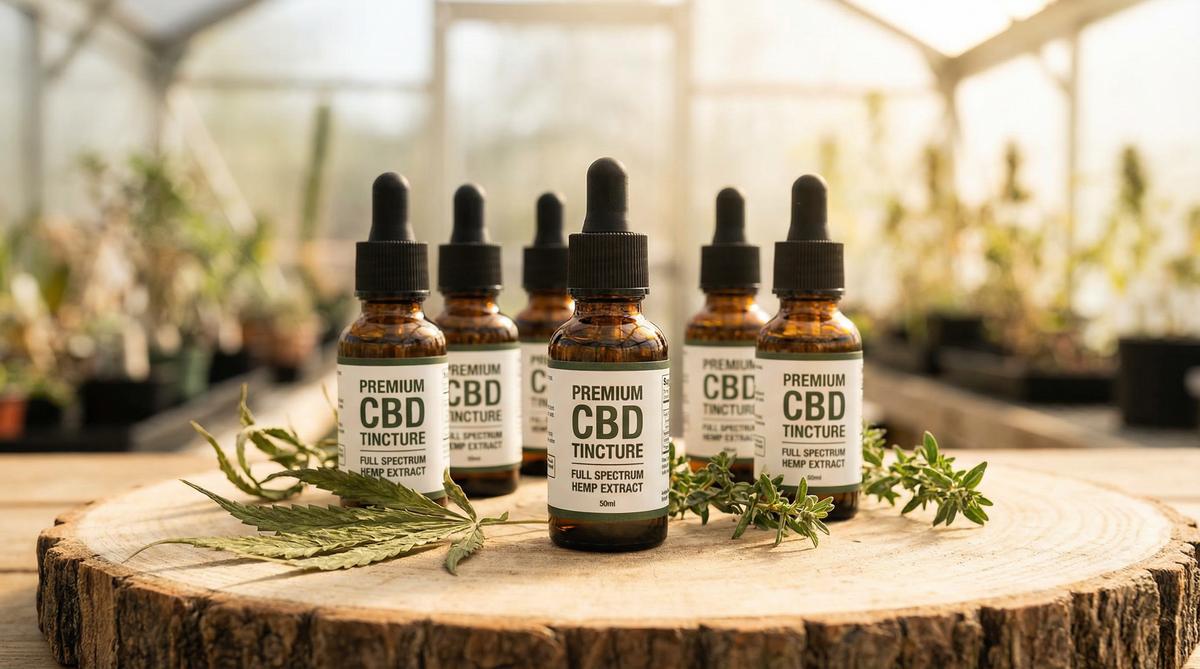
Is CBD Oil Legal for Chronic Pain Treatment? What You Should Know
Hi, I’m Dr. Michael Torres. If you’re reading this, you’re probably exploring CBD oil as a natural way to manage your chronic pain. I’ve had many patients ask me, “Is CBD oil even legal?” It’s a great question because laws can be confusing. So, let’s break it down in a straightforward way so you can feel confident whether or not to give CBD oil a try.
What Exactly Is CBD Oil?
CBD, short for cannabidiol, is a chemical compound found in the cannabis plant. Unlike THC—the compound that gets you “high”—CBD is non-intoxicating, meaning it won’t alter your mind or cause a high sensation. People turn to CBD oil for chronic pain, anxiety, and inflammation, among other things.
The Legal Landscape: Is CBD Oil Legal?
Here’s the bottom line: The legality of CBD oil depends on where you live and the source of the CBD. In many countries and states, CBD products derived from hemp (containing less than 0.3% THC) are legal. However, CBD products derived from marijuana or containing higher THC levels often remain illegal.
In the United States
The 2018 Farm Bill legalized hemp-derived CBD products federally, as long as the THC content remains below 0.3%. This means you can buy CBD oil for chronic pain legally across many states. Still, some states have stricter rules, so it’s wise to check local laws. The FDA regulates CBD products to some extent but hasn’t fully approved most for medical use outside of specific prescription drugs.
In the United Kingdom
CBD oil is legal if derived from approved hemp strains and contains less than 0.2% THC. The NHS states that CBD products should meet these criteria to be legally sold. Always buy from reputable brands that provide lab testing results.
Other countries
Regulations vary widely worldwide. Some countries have embraced hemp-derived CBD, while others ban all cannabis products regardless of THC content. Always do your homework and consult healthcare providers familiar with local laws.
Understanding the Regulations: What Does This Mean for You?
Legality isn’t just about avoiding fines. It’s also about safety and product quality. Legal CBD oils from reputable manufacturers undergo testing to ensure they contain the stated amount of CBD and have safe THC levels.
How to Spot a Legal and Quality CBD Oil
- Third-party lab testing: Always look for Certificates of Analysis (COA) to confirm product contents.
- Clear labeling: Ingredients, CBD amount, and THC level should be clearly listed.
- Source of hemp: Opt for products sourced from industrial hemp farms with strict cultivation standards.
- Compliance with local laws: Check your country or state regulations.
Comparing CBD Oil Legality by Region
| Region | Legal Status | THC Limit | Notes |
|---|---|---|---|
| United States | Legal (hemp-derived) | < 0.3% | Varies by state; FDA regulates but hasn’t approved most CBD products |
| United Kingdom | Legal | < 0.2% | Must be from approved hemp strains; NHS recommends buying from reputable brands |
| Canada | Legal (medical and recreational cannabis regulated) | Varies | CBD treated as cannabis product; purchase through licensed sellers |
| Australia | Legal with prescription | Varies | CBD is a Schedule 4 drug; must be prescribed by doctor |
| Most EU countries | Legal (hemp-derived) | < 0.2% | Regulations vary; check local laws carefully |
CBD Oil for Chronic Pain: What the Research Says
Aside from legality, you might wonder if CBD actually helps with chronic pain. Emerging studies suggest that CBD may reduce pain and inflammation by interacting with the body’s endocannabinoid system. A 2015 review published in Frontiers in Pharmacology highlighted CBD’s potential in managing chronic pain conditions such as arthritis and neuropathy.
However, more large-scale clinical trials are needed. That’s why consulting with your healthcare provider before starting CBD is important, especially if you take other medications.
What You Should Do Next
If you’re considering giving CBD oil a try for your chronic pain, here’s my advice:
- Check your local laws: Make sure CBD oil is legal where you live.
- Choose quality products: Pick CBD oils with third-party lab results and transparent labeling.
- Consult your doctor: Discuss your pain and any medications to avoid interactions.
- Start with a low dose: Gradually increase based on how you feel and any side effects.
Ready to explore safe, legal CBD products? Check out my recommended selection here for high-quality, lab-tested CBD oils specifically formulated for chronic pain relief.
Frequently Asked Questions
Is CBD oil legal everywhere in the US?
No, while hemp-derived CBD oil with less than 0.3% THC is federally legal, some states have stricter regulations. Always check your local laws.
Can CBD oil cause a positive drug test?
Though CBD itself won’t cause a positive drug test, some products may contain trace amounts of THC that could accumulate and show up on tests.
Is CBD oil safe for long-term use?
Research indicates CBD is generally well-tolerated, but long-term studies are limited. Consult your healthcare provider for personalized advice.
Will CBD oil interfere with my medications?
CBD can interact with certain medications by affecting liver enzymes. Always talk to your doctor before starting CBD.
Where can I buy legal CBD oil for chronic pain?
You can purchase legal CBD oil from reputable online stores or local dispensaries where permitted. I recommend this trusted selection for quality and safety.
If you want to give CBD oil a try and ensure you’re getting safe, legal, and effective products, click here to browse recommended CBD oils designed specifically for chronic pain sufferers.
Remember, knowledge is power—and when it comes to managing your chronic pain, making informed choices about CBD oil can make a world of difference.