CBD Oil vs. CBD Capsules for Chronic Pain: Which Is Better?
By Dr. Michael Torres
If you’re like many people struggling with chronic pain, you’ve probably heard about CBD as a natural alternative to traditional painkillers. But when it comes to choosing the right CBD product, the options can be overwhelming. Two of the most popular forms are CBD oil and CBD capsules. Today, I want to walk you through the pros and cons of each to help you find which might suit your chronic pain management best.
Understanding CBD and Chronic Pain
Cannabidiol (CBD) is a non-psychoactive compound derived from the cannabis plant, praised for its potential anti-inflammatory and analgesic effects. According to the National Health Service (NHS) in the UK, CBD may offer relief for certain types of chronic pain, including arthritis and multiple sclerosis-related discomfort (NHS, 2023). While research is ongoing, many patients have found it helpful as part of their pain management routine.
CBD Oil vs. CBD Capsules: What’s the Difference?
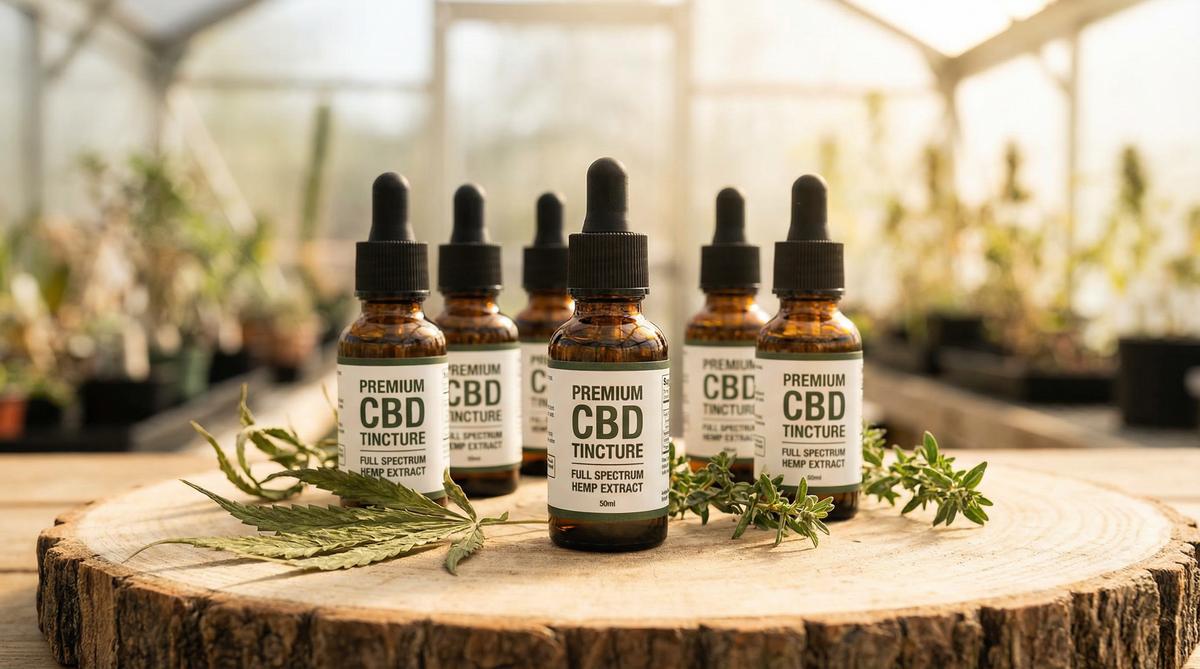
CBD Oil: Typically, CBD oil comes in a tincture form — a concentrated extract suspended in a carrier oil like MCT or hemp seed oil. You place drops under your tongue (sublingually) and hold it for about 60 seconds before swallowing. This method allows the CBD to absorb directly into your bloodstream, offering faster effects.
CBD Capsules: These are pre-measured doses of CBD oil or powder enclosed within a gelatin or vegan capsule. You swallow them with water like any other supplement. Capsules offer a convenient and familiar method, especially if you don’t like the taste of oils.
Benefits and Drawbacks: A Side-by-Side Comparison
| Feature | CBD Oil | CBD Capsules |
|---|---|---|
| Onset Time | Typically 15–45 minutes (sublingual absorption) | 30–90 minutes (requires digestion) |
| Bioavailability | Higher (~13-19%) due to sublingual absorption | Lower (~6-10%) because of digestion and metabolism |
| Convenience | Requires measuring drops, can have strong taste | Easy to take, portable, tasteless |
| Dosing Flexibility | Highly adjustable per drop | Fixed per capsule, less flexible |
| Duration of Effects | Lasts 4–6 hours | May last longer due to slow release |
| Price | Varies; often more cost-effective per mg | Usually pricier per dose |
Which Is Better for Chronic Pain?
It depends on your lifestyle and pain management needs. If you need faster relief and precise dosing, CBD oil might be your best bet. Its higher bioavailability means more CBD enters your bloodstream, potentially leading to better pain control.
On the other hand, if you prefer a tasteless, easy-to-use option that fits neatly into your daily supplement routine, capsules can be a great choice. While their effects take longer to kick in, they may provide a steadier release of CBD to help manage pain throughout the day.
As the US Food and Drug Administration (FDA) advises, always choose high-quality CBD products from reputable sources and consult your healthcare professional before starting any new supplement, especially if you’re on medications (FDA, 2023).
My Recommendation
For those new to CBD or looking for quick pain relief, I generally recommend starting with CBD oil. You can control your dose carefully and feel how your body responds. If you appreciate convenience and dislike the taste of oils, capsules make a solid alternative.
Remember, chronic pain is complex, and CBD is just one tool in your toolbox. Keep track of your symptoms and consult with a healthcare provider to tailor a plan that works for you.
Frequently Asked Questions
1. Is CBD oil or capsules more effective for chronic pain?
CBD oil generally offers higher bioavailability and faster onset, making it potentially more effective for immediate pain relief. Capsules provide longer-lasting effects but take longer to work.
2. Are there any side effects of taking CBD for chronic pain?
Common side effects include fatigue, dry mouth, and changes in appetite. CBD is generally well-tolerated, but check with your doctor, especially if you’re on other medications.
3. Can I take CBD oil and capsules together?
Yes, some patients use both for different purposes—oil for quick relief and capsules for sustained effects. Discuss with your healthcare provider before combining.
4. Is CBD legal where I live?
CBD legality varies by country and state. In the UK, CBD products must contain less than 0.2% THC and be derived from licensed hemp (FCA, 2023). Check your local regulations before purchasing.
5. How do I know the quality of a CBD product?
Look for products that provide third-party lab testing results, clear ingredient lists, and transparent sourcing information.
Ready to Try CBD for Your Chronic Pain?
If you’re interested in exploring CBD oil or capsules, I recommend starting with trusted, high-quality brands that provide transparent lab tests. Here are two of my top picks:
Give one a try, and remember to listen to your body and adjust your dose as needed. Chronic pain can feel like a tough journey, but with the right approach, you can find relief and reclaim your life.
References: