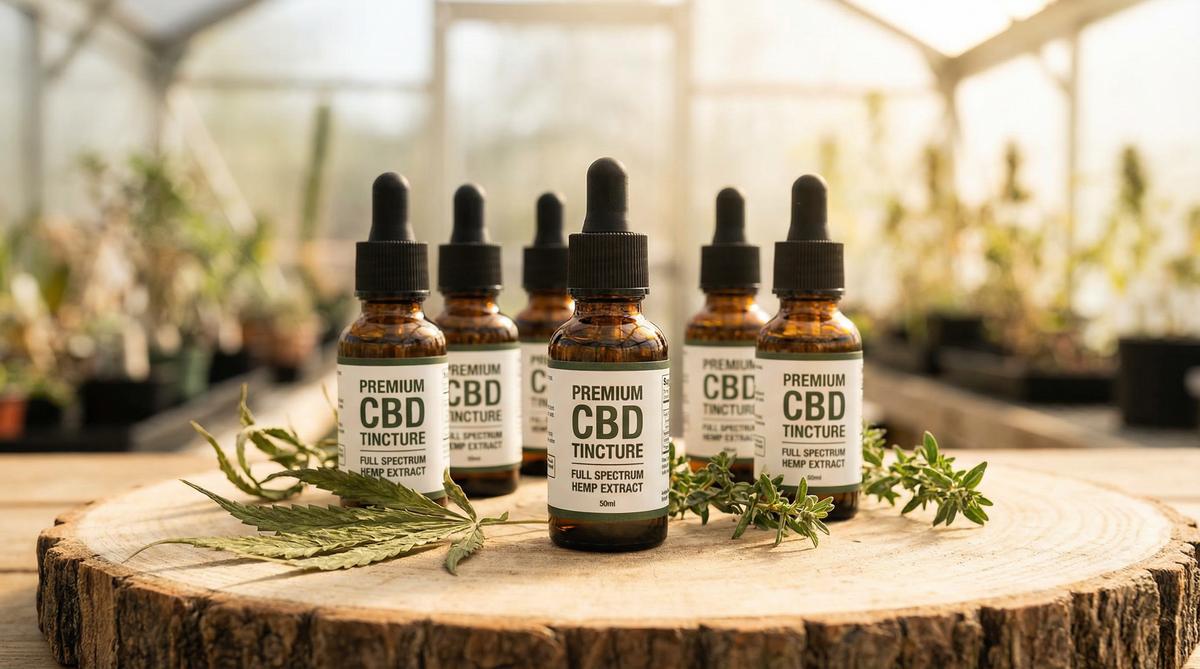
How to Spot Fake CBD Oil Products When Shopping for Pain Relief
By Dr. Michael Torres
If you’re like many folks seeking natural relief from chronic pain, you’ve probably heard the buzz about CBD oil. It’s everywhere these days—from health stores to online shops—with promises of easing aches and soothing discomfort. But here’s the catch: not all CBD oils are created equal. In fact, fake or low-quality products flood the market, leaving many people frustrated, out of pocket, and still in pain.
Why is Spotting Fake CBD Oil So Important?
CBD (cannabidiol) has shown promising results for managing chronic pain, but its effectiveness depends largely on purity and dosage. Fake products often contain little to no CBD or harmful additives. Using these can do more harm than good, potentially causing side effects or drug interactions.
According to the FDA, the market is rife with mislabeled CBD items, some even containing unlisted THC (the psychoactive compound in cannabis) or contaminants.
Top Red Flags: How to Spot Fake CBD Oil
1. Vague or Missing Lab Reports
Legitimate CBD brands provide third-party lab results—called Certificates of Analysis (COA)—that confirm what’s inside the bottle. These reports should be easily accessible on their website or upon request. They verify cannabinoid content, purity, and absence of pesticides or heavy metals.
Red flag: No lab results, outdated reports, or results from the company’s own labs only.
2. Unbelievably Low Prices
Quality CBD extraction and testing aren’t cheap. If a deal looks too good to be true, it probably is. Very cheap products often use synthetic CBD or dilute the oil with cheaper ingredients.
3. Lack of Clear Ingredients List
Check the label carefully. Real CBD oils clearly list the amount of CBD per serving and other ingredients. Watch out for ambiguous terms like “hemp extract” without specifying CBD content.
4. Suspicious Health Claims
Beware brands promising guaranteed cures or miracle results. The NHS cautions that while CBD may help manage some symptoms, it’s not a magic bullet.
Quick Comparison: Real vs. Fake CBD Oil
| Feature | Authentic CBD Oil | Fake/Low-Quality CBD Oil |
|---|---|---|
| Lab Testing | Third-party verified COA available | No lab reports or self-tested only |
| Price | Moderate to premium pricing | Suspiciously cheap |
| Ingredients | Clear CBD content & ingredients listed | Vague or missing info |
| Source | US/EU hemp farms, organic and regulated | Unknown or unregulated sources |
| Product Claims | Modest, compliant with health regulations | Unrealistic or cure-all promises |
Where to Buy Trusted CBD Oil for Chronic Pain Relief
Shopping from reputable brands is key. Look for companies transparent about their sourcing and testing practices. Check customer reviews and consult professionals if unsure.
Here are two trusted options I recommend:
- CalmRelief CBD Oil – Offers full-spectrum hemp extract with lab-tested purity, great for pain management.
- PureHeal CBD Drops – A broad-spectrum option with zero THC and organic certification.
Expert Tips to Avoid Falling for Fake CBD Products
- Always ask for Certificates of Analysis.
- Choose brands that use CO2 extraction methods—it’s cleaner and safer.
- Check for contact info and customer service responsiveness.
- Avoid products sold exclusively through multi-level marketing schemes.
- Consult your healthcare provider before starting any new supplement.
Frequently Asked Questions
1. How do I know if a CBD oil contains real CBD?
Look for third-party lab reports (COA) that confirm the CBD content. Trusted brands publish this information openly.
2. Can fake CBD oil be harmful?
Yes. Fake products may contain harmful additives, unlisted THC, or contaminants leading to adverse reactions.
3. Is it legal to buy CBD oil for pain relief?
In many countries, CBD derived from hemp with less than 0.3% THC is legal. Check local regulations before purchasing.
4. How much CBD should I take for chronic pain?
Dosing varies individually. Start low and increase gradually. Always consult with a healthcare provider for personalized advice.
5. Are all hemp oils the same as CBD oils?
No. Hemp seed oil and CBD oil come from different parts of the hemp plant. Hemp seed oil usually contains no CBD.
Final Thoughts
Choosing the right CBD oil can make a big difference in managing chronic pain effectively. Always do your homework, verify the product’s authenticity, and buy from trusted sources. Your health deserves nothing less.
Ready to try quality CBD oil? Check out CalmRelief CBD Oil or PureHeal CBD Drops today and take a confident step toward better pain management.