5 Proven Ways CBD Oil Helps Relieve Chronic Pain Naturally
By Dr. Michael Torres
If you’re dealing with chronic pain, you know how exhausting it can be—not just physically, but emotionally too. Traditional painkillers often come with unwanted side effects or the risk of dependency. That’s why I want to share with you some natural relief options I’ve found effective in my own practice, especially CBD oil. Over the past few years, I’ve seen firsthand how cannabidiol (CBD) can ease pain and improve quality of life. Let’s dive into five proven ways CBD oil can help relieve chronic pain naturally.
What is CBD Oil?
CBD oil is derived from the cannabis plant but doesn’t cause the “high” associated with marijuana. It contains cannabidiol, a compound that interacts with your body’s endocannabinoid system (ECS). The ECS is responsible for maintaining balance in various bodily functions, including pain sensation and inflammation.
Unlike THC, CBD is non-psychoactive, making it a safe option for many looking to manage pain without altering their state of mind.
1. CBD Oil Reduces Inflammation
Inflammation is a major driver of chronic pain, whether from arthritis, nerve damage, or injury. Studies show that CBD has anti-inflammatory properties that help calm the body’s immune response.
For example, a 2018 review in the Frontiers in Pharmacology journal noted that CBD reduced inflammation in various animal and human studies, impacting pain levels directly (source).
2. CBD Interacts with Pain Receptors
CBD doesn’t just reduce inflammation; it also modifies how your nervous system processes pain signals. The ECS has receptors involved in pain perception, like CB1 and CB2 receptors. CBD interacts with these receptors to block pain signals and soothe nerve activity.
This mechanism can be especially helpful for neuropathic pain, a notoriously difficult-to-treat condition caused by nerve damage.
3. CBD Helps with Sleep and Anxiety
Pain often worsens when you’re sleep-deprived or anxious. Thankfully, CBD’s calming effects improve sleep quality and reduce anxiety, indirectly lowering your perception of pain.
The NHS acknowledges CBD’s potential benefits for anxiety and sleep issues, though it advises ongoing research for conclusive evidence (source).
4. Fewer Side Effects Compared to Traditional Painkillers
Many pain medications, especially opioids, carry risks such as addiction, liver damage, or gastrointestinal problems. CBD oil tends to have a much safer side effect profile with minimal risks when taken correctly.
The FDA highlights that CBD products marketed as dietary supplements have not been fully evaluated for safety or efficacy, but existing clinical trials show promising results with mild side effects like fatigue or dry mouth (source).
5. Versatile Delivery Methods Tailored to Your Needs
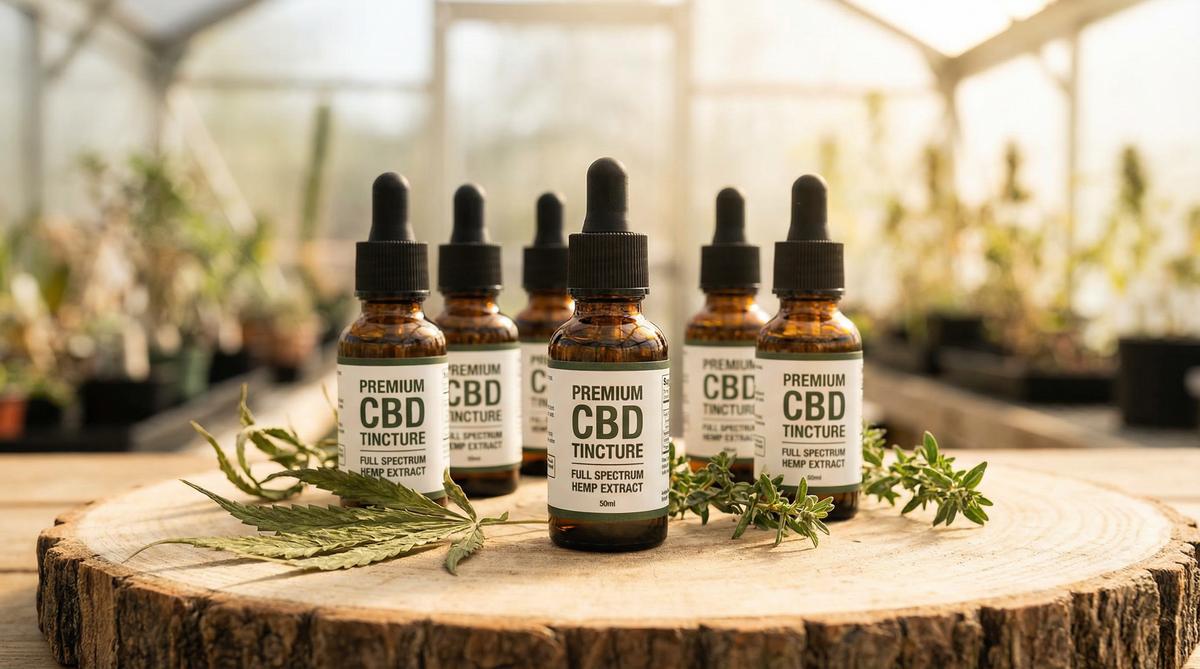
CBD oil comes in various forms—tinctures, capsules, topicals, and edibles—so you can choose what works best for your pain type and lifestyle. Topicals can be applied directly to sore joints or muscles, while tinctures offer systemic relief.
CBD Oil vs Traditional Painkillers
| Aspect | CBD Oil | Traditional Painkillers (e.g., NSAIDs, Opioids) |
|---|---|---|
| Mechanism | Interacts with ECS to reduce inflammation & block pain signals | Inhibits enzymes or binds opioid receptors to block pain |
| Side Effects | Mild; dry mouth, fatigue, dizziness | Risk of addiction, liver damage, stomach ulcers |
| Dependency Risk | Low to none | High (especially opioids) |
| Legal Status | Legal in most places if THC <0.3% | Prescription controlled substances |
| Ease of Use | Multiple forms: oil, capsules, topicals | Tablets, patches, injections |
How to Choose the Right CBD Oil for Chronic Pain
Not all CBD oils are created equal. Look for these qualities:
- Third-party lab testing: Ensures purity and potency.
- Full-spectrum or broad-spectrum extracts: Include beneficial cannabinoids and terpenes.
- Organic and THC-compliant: Avoid contaminates and legal issues.
Picking a high-quality product helps you get the best results safely.
Affiliate Recommendation: My Top Pick for CBD Oil
One brand I often recommend to my patients is PureRelief CBD Oil. It’s full-spectrum, organically sourced, and rigorously tested for quality. Many chronic pain sufferers have reported noticeable improvements within weeks.
Frequently Asked Questions About CBD Oil for Chronic Pain
1. Is CBD oil legal where I live?
In most countries, CBD oil derived from hemp with less than 0.3% THC is legal. However, regulations vary, so check your local laws.
2. How long does it take for CBD oil to relieve pain?
Effects can vary but many users notice relief within 30 minutes to an hour. Consistent daily use may yield better results over time.
3. Can I take CBD oil with other medications?
CBD can interact with certain drugs. Always consult your doctor before starting CBD if you’re on medication.
4. Are there any side effects?
Side effects are usually mild, such as dry mouth or tiredness. Start with a low dose to assess tolerance.
5. What’s the best way to use CBD for pain?
Tinctures offer fast relief, while topicals can target specific areas. Combining methods often works best.
Final Thoughts
Chronic pain is challenging, but it doesn’t have to control your life. CBD oil offers a natural, better-tolerated alternative to many traditional pain medications, working through multiple pathways to reduce pain and inflammation while improving sleep and mood. If you’re ready to explore a gentle yet effective approach, give CBD oil a try.
For a trusted, high-quality option, check out PureRelief CBD Oil—your body may thank you!