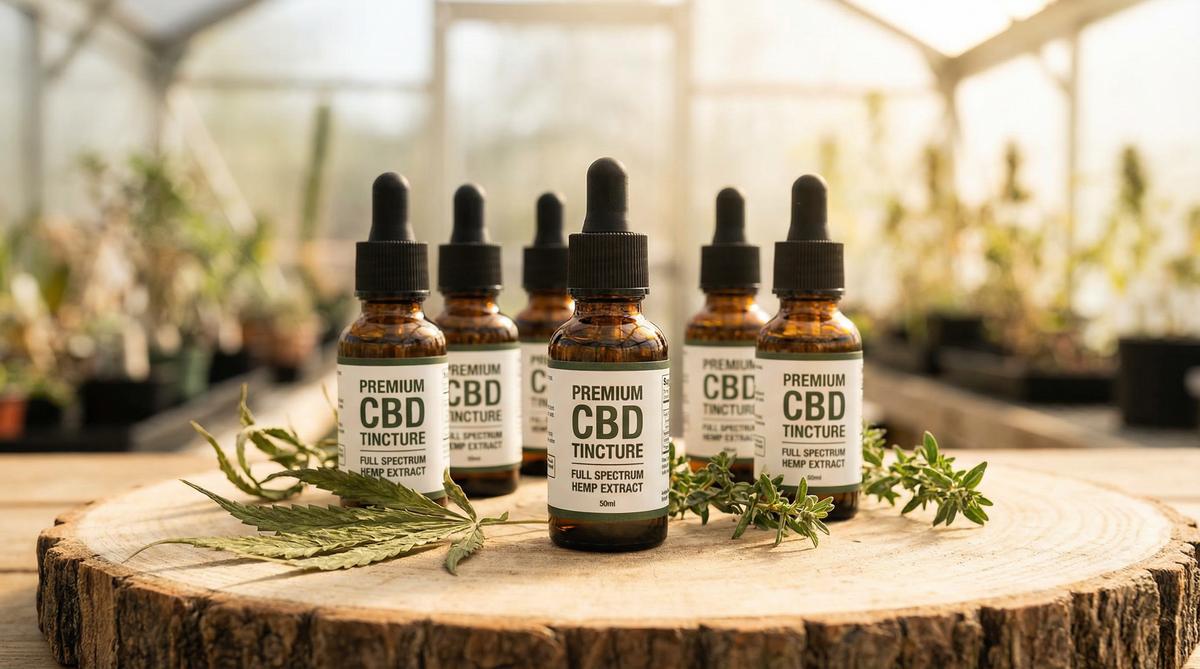
How to Read CBD Oil Labels for Chronic Pain Products: A Guide by Dr. Michael Torres
Hi, I’m Dr. Michael Torres. If you’re exploring CBD oil as a natural way to manage chronic pain, you’re not alone — and you probably already know the market is flooded with options. Choosing the right product can be overwhelming, especially when faced with confusing or incomplete labels. Today, I’m here to make things simpler. Let’s dive into how to read CBD oil labels effectively so you can find safe, potent, and reliable products tailored for chronic pain relief.
Why Understanding CBD Labels Matters
CBD (cannabidiol) isn’t regulated like prescription drugs, so manufacturers can sometimes play loose with labeling. Inaccurate or misleading labels mean you might be paying for less CBD than promised, or worse, be exposed to unwanted additives or contaminants. The UK’s NHS and the US FDA both stress the importance of transparency and third-party testing to ensure consumer safety.
Key Elements to Look for on CBD Oil Labels
Here’s a breakdown of what you should look for on your next CBD oil product label:
1. CBD Concentration and Dosage
This is often expressed in milligrams (mg). Look for the total amount of CBD per bottle and per serving. For chronic pain, consistent dosing is essential. Labels might say something like “500 mg CBD per 30 ml bottle” or “25 mg CBD per ml.” Knowing the exact concentration helps you monitor your intake and adjust accordingly.
2. Type of CBD Extract
CBD oil usually comes in three types:
- Full-spectrum: Contains CBD along with other cannabinoids, terpenes, and trace THC (within legal limits). Often preferred for chronic pain due to the “entourage effect” explained in research like this study.
- Broad-spectrum: Includes multiple cannabinoids and terpenes but no THC.
- Isolate: Pure CBD, no other cannabinoids or terpenes.
3. Ingredients List
Look for clear ingredient lists indicating carrier oils (like MCT or hemp seed oil), natural flavorings, or preservatives. Be cautious of artificial additives or allergens if you have sensitivities.
4. Third-Party Lab Testing and Batch Numbers
Reputable brands include a batch or lot number and a QR code or link to third-party Certificate of Analysis (COA). These reports verify cannabinoid content and confirm the product is free from pesticides, heavy metals, and solvents. The Financial Conduct Authority (FCA) also advises consumers to check for these independent tests.
5. THC Content
For chronic pain patients wanting to avoid psychoactive effects, ensure the THC content is below legal limits (generally below 0.2% in the UK and 0.3% in the US). Labels should specify this clearly.
6. Expiry Date and Storage Instructions
CBD oil can degrade over time. Expiry dates help ensure potency and safety. Follow storage instructions (usually cool, dark places) to preserve quality.
CBD Oil Label Comparison Table for Chronic Pain Products
| Feature | Brand A | Brand B | Brand C |
|---|---|---|---|
| CBD Concentration | 500 mg / 30 ml | 750 mg / 30 ml | 1000 mg / 30 ml |
| Extract Type | Full-spectrum | Broad-spectrum | Isolate |
| Carrier Oil | MCT Oil | Hemp Seed Oil | MCT Oil |
| THC Content | 0.2% | 0.0% | 0.0% |
| Third-party Lab Tested | Yes (with batch number) | Yes | No |
| Expiry Date | 12 months from manufacture | 8 months from manufacture | 18 months from manufacture |
Tips for Selecting Quality CBD Oil for Chronic Pain
Here are my top tips to keep in mind when buying CBD oil:
- Look for transparency: Trust brands that openly share lab results and production details.
- Check customer feedback: Genuine reviews can provide insight into effectiveness and side effects.
- Start low, go slow: Begin with a low dose to see how your body reacts, then adjust as needed for pain management.
- Consult your healthcare provider: Especially if you’re on medications or have underlying conditions.
Frequently Asked Questions
How much CBD should I take for chronic pain?
There is no one-size-fits-all dosage. Start with a low dose (around 10-20 mg per day) and gradually increase until you find relief. Always consult your doctor for personalized advice.
Are full-spectrum CBD oils better for pain?
Full-spectrum CBD oils contain multiple cannabinoids and terpenes that may work synergistically, potentially enhancing pain relief. However, they contain trace THC, which may not suit everyone.
Is CBD oil safe to use with other medications?
CBD can interact with some medications. It’s essential to discuss with your healthcare provider before starting CBD, especially if you’re on blood thinners or other prescription drugs.
How do I verify if a CBD oil’s lab test is legitimate?
Look for Certificates of Analysis (COAs) from independent labs, usually accessible via QR codes or website links. Check that the lab is accredited and that the batch number on the COA matches the product.
Can I trust CBD oil products sold online?
Many quality brands sell online, but beware of counterfeit or untested products. Stick to reputable companies with transparent labeling and verified lab tests.
Your Next Step to Manage Chronic Pain with CBD Oil
Ready to try CBD oil with confidence? I recommend starting with brands that prioritize transparency and quality. Check out Brand A’s full-spectrum CBD oil, a favorite among my patients for its balance of potency and purity.
Also, explore Brand B’s broad-spectrum CBD oil, which offers THC-free options with verified lab results—perfect if you want to avoid any trace of THC.
Remember, reading labels carefully is your first defense against scams and low-quality products. Trust yourself and stay informed; your chronic pain journey deserves nothing less.