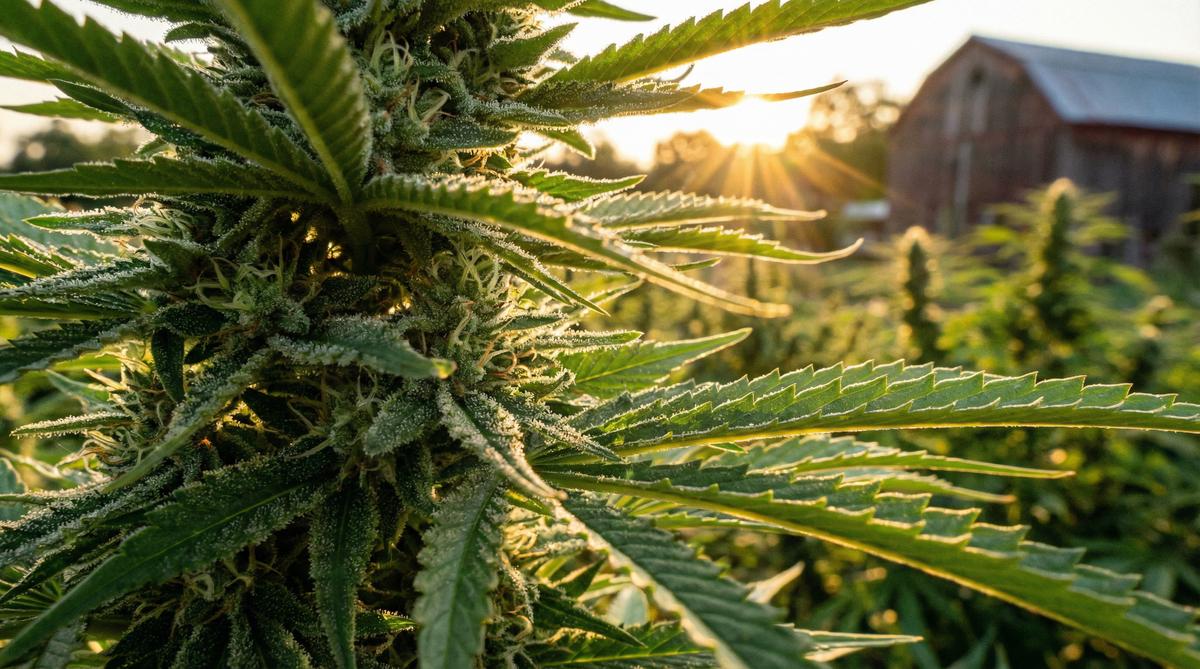
How to Dose CBD Oil for Chronic Pain: A Step-by-Step Guide
Hi, I’m Dr. Michael Torres. If you’re reading this, you’re probably exploring CBD oil as a potential way to manage your chronic pain. I’ve worked with many patients navigating this path, and I understand how confusing it can be to find the right dose. There’s no one-size-fits-all answer, but with a little guidance, you can find your ideal balance. Let’s break down how to dose CBD oil for chronic pain safely, effectively, and with confidence.
Why Dosing CBD Oil Correctly Matters
CBD, or cannabidiol, is gaining attention for its potential to alleviate symptoms of chronic pain, inflammation, and anxiety — without the psychoactive effects of THC. But dosing matters. Taking too little may yield no noticeable benefit; too much might cause unwanted side effects like fatigue or digestive upset.
According to the NHS, understanding how to dose CBD oil can improve your experience and help you find relief more quickly. The FDA also cautions users to start slow and monitor responses carefully (FDA, 2023).
Step 1: Choose the Right CBD Oil Product
First things first, ensure your CBD oil is from a reputable source. Look for products that have been third-party lab tested, clearly list the concentration of CBD (usually in milligrams per milliliter), and contain minimal THC if any. Full-spectrum, broad-spectrum, and CBD isolate oils each have different properties that can influence their effectiveness.
Full-Spectrum vs. Broad-Spectrum vs. Isolate
| Type | Contains THC | Potential Benefits | Ideal For |
|---|---|---|---|
| Full-Spectrum | Yes (up to 0.3%) | Entourage effect — enhanced benefits from all cannabinoids | Those not sensitive to THC, seeking maximum relief |
| Broad-Spectrum | No | Entourage effect without THC | People wanting to avoid THC but benefit from multiple cannabinoids |
| Isolate | No | Pure CBD only | Those sensitive to THC or new to CBD |
Step 2: Calculate Your Starting Dose
Unlike traditional medications, dosing CBD isn’t exact science yet, but clinical research offers guidance. Studies recommend starting low—around 5 to 10 mg per day—and gradually increasing as needed (PubMed, 2018).
Your ideal dose depends on factors like body weight, metabolism, severity of pain, and individual body chemistry.
General CBD Dose Guidelines by Weight
| Body Weight | Low Dose (mg/day) | Moderate Dose (mg/day) | High Dose (mg/day) |
|---|---|---|---|
| Less than 120 lbs | 5-10 mg | 11-20 mg | 21-40 mg |
| 120-180 lbs | 10-15 mg | 16-30 mg | 31-50 mg |
| Over 180 lbs | 15-20 mg | 21-40 mg | 41-60 mg |
Remember, it’s best to start at the low end of your weight range.
Step 3: Administer Your CBD Oil
CBD oils often come with droppers marked in milliliters (mL). If your bottle has a concentration of 30 mg/mL and your starting dose is 10 mg, you would take approximately 0.33 mL per dose.
Here’s a simple formula:
Desired dose (mg) ÷ concentration (mg/mL) = volume to take (mL)Take your dose under the tongue and hold it there for 60 seconds before swallowing to maximize absorption.
Step 4: Monitor and Adjust Your Dose
Consistency is key—take your dose daily for at least 3-5 days and note any changes in your pain levels, sleep, or mood. Keep a journal tracking your dose and effects. If needed, increase your dose by 5 mg increments every few days until you find your optimal relief point without side effects.
CBD has a good safety profile, but the FDA advises consulting your healthcare provider, especially if you’re on medications, to avoid possible interactions.
Step 5: Consider Timing and Frequency
For chronic pain, many people find that splitting their daily dose into two or three smaller doses spaced throughout the day provides better and more consistent relief.
Sample Dosing Schedule
- Morning: 1/3 of daily dose
- Afternoon: 1/3 of daily dose
- Evening: 1/3 of daily dose
Bonus Tips for Maximizing Your CBD Experience
- Store CBD oil away from heat and light to preserve potency.
- Be patient — some benefits may take several weeks to surface.
- Use reputable brands that clearly label ingredients and potency.
- Consult your doctor, especially if you have liver conditions or take blood thinners.
Affiliate Recommendations: Trusted CBD Oils for Chronic Pain Relief
If you’re ready to try high-quality CBD oil, I recommend these trusted products known for purity, potency, and reliability:
- ReliefEase Full-Spectrum CBD Oil – Great for those seeking the entourage effect with minimal THC.
- PureCalm Broad-Spectrum CBD Oil – THC-free and ideal for daytime use.
Both come with lab certificates and a satisfaction guarantee.
FAQ: Dosing CBD Oil for Chronic Pain
How quickly will CBD oil relieve my chronic pain?
CBD effects vary but many report pain relief within 30 minutes to 2 hours after dosing. Consistent use over several days or weeks often improves effectiveness.
Can I take too much CBD oil?
While CBD has a good safety profile, very high doses may cause side effects like drowsiness, dry mouth, or diarrhea. Start low and increase gradually.
Will CBD oil interact with my medications?
CBD can interact with certain medications, especially blood thinners. Always consult your healthcare provider before starting CBD.
Is CBD oil addictive or habit-forming?
No, CBD is non-intoxicating and not considered addictive.
Can I use CBD oil alongside other pain treatments?
Many people incorporate CBD as part of a comprehensive pain management plan. However, discuss all treatments with your doctor to ensure safety.
Final Thoughts
Dosing CBD oil for chronic pain is a journey that requires patience, attention, and a willingness to adjust. By starting low and going slow, you give your body the best chance to respond positively. Remember, quality matters—choose trusted products, and consult your healthcare professional when in doubt.
Ready to take your first step toward relief? Try ReliefEase Full-Spectrum CBD Oil or PureCalm Broad-Spectrum CBD Oil today and see what CBD can do for your chronic pain.
Wishing you comfort and wellness,
Dr. Michael Torres