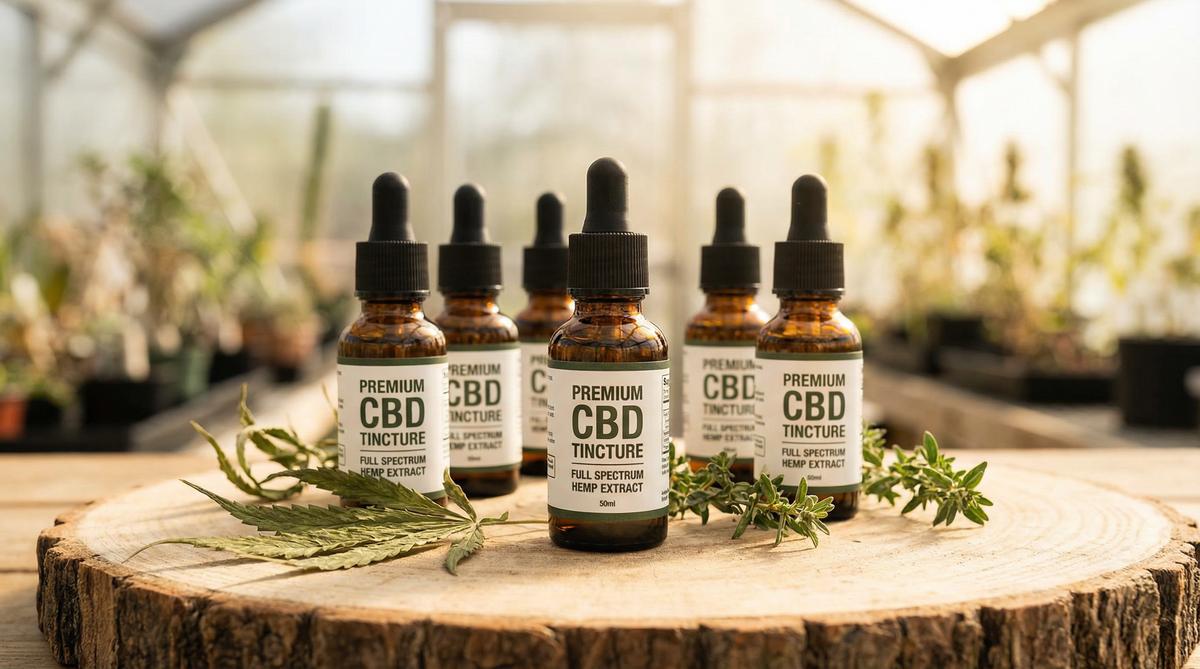
How to Choose the Right CBD Oil for Chronic Pain: A Step-by-Step Guide
Hi, I’m Dr. Michael Torres. If you’re reading this, you’re likely searching for relief from chronic pain—and considering CBD oil as a natural alternative. I get it. Chronic pain can be exhausting, and navigating the world of CBD can feel overwhelming with so many products and claims out there. That’s why I’ve crafted this straightforward, step-by-step guide to help you choose the right CBD oil tailored to your needs.
Why Consider CBD Oil for Chronic Pain?
CBD, or cannabidiol, is a compound derived from the hemp plant that has been widely studied for its potential pain-relieving properties. According to a report from the NHS, CBD may help reduce inflammation and modulate pain signals, making it promising for chronic pain sufferers.
Step 1: Understand the Different Types of CBD Oil
Before buying, it’s important to know the three main types of CBD oil available:
- Full-spectrum CBD: Contains all cannabinoids, including trace THC (usually below 0.3%). This is thought to offer the most relief due to the “entourage effect,” where the compounds work synergistically.
- Broad-spectrum CBD: Contains multiple cannabinoids but typically no THC. A great middle ground for those cautious about THC.
- CBD Isolate: Pure CBD with no other cannabinoids or THC. Ideal if you want to avoid THC completely.
Step 2: Check the Source and Quality
The quality of the CBD oil directly affects its effectiveness. Here’s what to verify:
- Hemp Source: Look for organically grown hemp—free from pesticides and heavy metals.
- Extraction Method: CO2 extraction is preferred for purity and safety.
- Lab Testing: Reputable brands provide third-party lab reports confirming potency and purity. This is essential to avoid contaminants.
Step 3: Decide on the Right Potency
CBD oils come in various strengths, typically measured in milligrams (mg) of CBD per bottle. For chronic pain, starting with a low to moderate dose allows you to gauge your body’s response without overwhelming effects.
Step 4: Choose Your Preferred Delivery Method
The most common method for chronic pain is tinctures (drops), but there are other options:
- Tinctures: Taken sublingually for fast absorption.
- Capsules: Easy to dose but slower absorption.
- Topicals: Applied directly to painful areas for localized relief.
- Edibles: Convenient, but may take longer to feel effects.
Step 5: Understand Legal and Safety Considerations
Make sure your CBD oil complies with your country’s regulations. In the United States, the FDA maintains strict guidelines regarding CBD products. Avoid products that make unsupported medical claims or contain unsafe additives.
Comparison Table: Popular CBD Oil Types for Chronic Pain
| Feature | Full-Spectrum | Broad-Spectrum | Isolate |
|---|---|---|---|
| Contains THC | Trace amounts (< 0.3%) | None | None |
| Entourage Effect | Yes | Partial | No |
| Best For | Maximum therapeutic benefit | Therapeutic benefits without THC risk | Those needing pure CBD |
| Potential Risks | Possible positive drug test | Minimal drug test risk | Minimal drug test risk |
Step 6: Start Low and Go Slow
When you first try CBD oil, start with a small dose—say 5–10 mg per day—and monitor how your pain responds. Gradually increase as needed. Keep a journal of your dosage and symptoms to find your sweet spot.
Step 7: Consult With Your Healthcare Provider
Especially if you’re taking other medications or have complex health conditions, check with your doctor before starting CBD. They can help you navigate possible interactions.
My Personal Recommendation
After years of clinical experience and reviewing many options, I recommend CBD Oil Relief Plus. It’s full-spectrum, organically sourced, and comes with verified third-party lab reports. Plus, they offer a satisfaction guarantee, so you can try it risk-free.
Frequently Asked Questions
Is CBD oil legal for chronic pain use?
In many countries, including the U.S. and UK, CBD products derived from hemp with less than 0.3% THC are legal. However, regulations vary, so check local laws before purchasing.
Will CBD oil make me feel high?
No. CBD is non-psychoactive and does not cause a high. Products with full-spectrum CBD contain trace THC but not enough to produce intoxication.
How long does it take for CBD oil to relieve chronic pain?
Effects vary by individual and method of intake. Sublingual tinctures typically work within 15–45 minutes, while capsules and edibles may take 1–2 hours.
Are there any side effects of CBD oil?
Generally, CBD is well tolerated. Some may experience dry mouth, dizziness, or changes in appetite. Always start with a low dose and consult your doctor.
Can I take CBD oil with my prescription medications?
CBD can interact with certain medications. Discuss with your healthcare provider before combining CBD with prescriptions.
Taking control of your chronic pain can feel empowering—especially when you find a natural remedy that works. Remember: quality, type, and dosing matter. And always put your safety first.
Ready to take the next step? Check out CBD Oil Relief Plus for a high-quality, doctor-recommended solution.