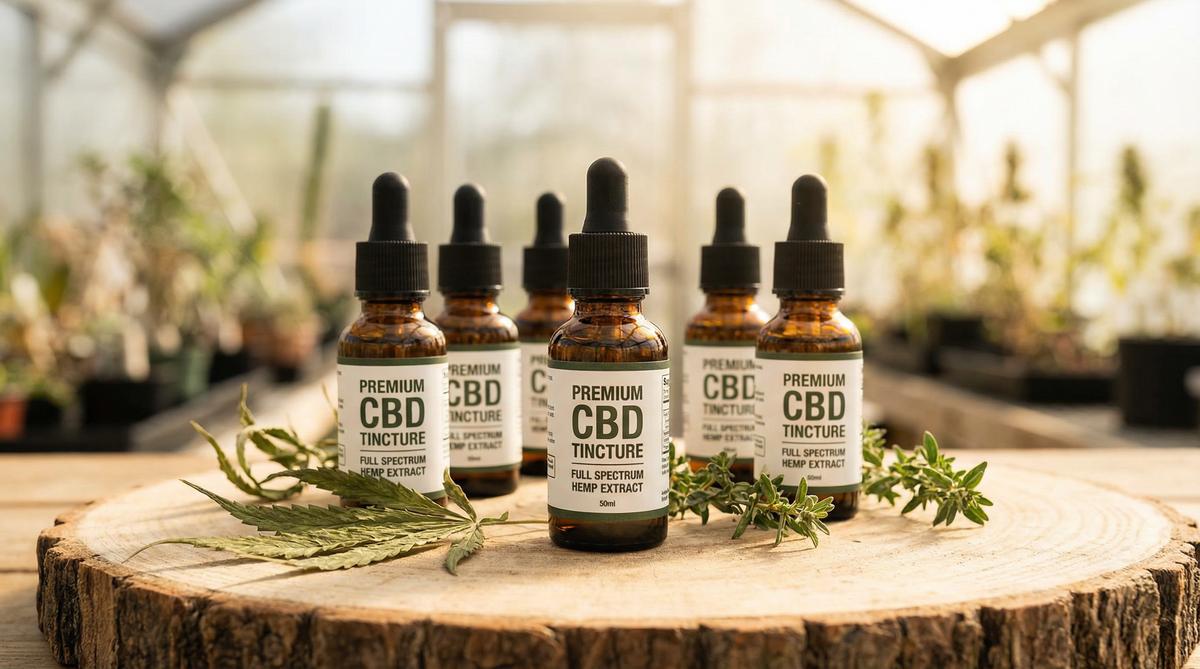
The Ultimate Guide to Using CBD Oil for Chronic Pain Management
Hi, I’m Dr. Michael Torres. As someone who has spent years researching pain management, I know firsthand how challenging living with chronic pain can be. If you’re exploring alternative options like CBD oil, you’re in the right place. I’ll walk you through everything you need to know about using CBD oil for chronic pain relief, with evidence-based information and practical tips to help you feel better.
Understanding Chronic Pain and CBD Oil
Chronic pain is pain that lasts longer than 3 to 6 months and often continues even after an injury or illness has healed. It can stem from conditions like arthritis, fibromyalgia, or neuropathy. Many patients seek relief beyond traditional medications due to side effects or lack of efficacy.
CBD, or cannabidiol, is a natural compound found in cannabis plants but unlike THC, it doesn’t cause a high. Over the past decade, CBD oil has gained popularity as a potential pain reliever without many of the side effects that come with prescription drugs.
How Does CBD Oil Work for Pain?
CBD interacts with the body’s endocannabinoid system (ECS), which helps regulate pain, mood, inflammation, and immune responses. By influencing ECS receptors, CBD may reduce inflammation and alter pain signaling in the brain. While research is ongoing, a 2020 review published in Frontiers in Pharmacology concluded that CBD shows promise for managing chronic pain and inflammation (Source).
Choosing the Right CBD Oil for Your Chronic Pain
Not all CBD products are created equal. When selecting a CBD oil, consider the following:
- Full-spectrum vs. Broad-spectrum vs. Isolate: Full-spectrum contains all cannabinoids and terpenes, including trace THC (less than 0.3%), which may provide an “entourage effect” enhancing efficacy. Broad-spectrum removes THC but keeps other compounds, while isolates contain only pure CBD.
- Source and Quality: Choose CBD derived from organically grown hemp in the USA or Europe, third-party lab tested for purity and potency.
- Concentration: Potency varies. Beginners might start with 5-10mg per dose, while those with more severe pain may require higher concentrations.
CBD Oil vs. Traditional Pain Medications
| Aspect | CBD Oil | Traditional Pain Medications |
|---|---|---|
| Side Effects | Generally mild: dry mouth, fatigue; non-addictive | Can include stomach ulcers, addiction, sedation |
| Mechanism | Modulates ECS receptors to reduce inflammation and pain | Blocks pain signals or reduces inflammation via different pathways |
| Legal Status | Legal in many countries if THC < 0.3% (FDA) | Prescription or over-the-counter regulations vary |
| Risk of Dependency | Low to none | Potentially high with opioids and some other meds |
How to Use CBD Oil for Chronic Pain Effectively
Here are my personal tips for integrating CBD oil into your pain management routine:
- Start Low and Go Slow: Begin with a low dose (5-10mg) and gradually increase over several days to monitor effects.
- Be Consistent: Take CBD oil daily to maintain steady levels in your system. Many users report better results over weeks rather than immediately.
- Find the Right Method: Tinctures under the tongue allow quick absorption. Capsules and edibles offer convenience but take longer to kick in.
- Track Your Pain: Keep a journal to note your pain levels, dosage, and any side effects to discuss with your healthcare provider.
Safety and Legal Considerations
CBD oil is generally well tolerated but may interact with certain medications (e.g., blood thinners). Always consult your doctor before starting any new supplement, especially if you have underlying health conditions.
In the UK, the NHS confirms that CBD products with under 0.2% THC are legal to buy and use. In the US, the FDA monitors CBD products closely, warning consumers to purchase only from reputable sources.
Frequently Asked Questions
Is CBD oil addictive?
No, CBD oil is non-psychoactive and is not considered addictive by the World Health Organization.
How long does it take for CBD to relieve pain?
Effects vary by individual and method of consumption, but many people notice relief within 30 minutes to an hour using tinctures, while edibles may take longer.
Can I take CBD oil with my current medications?
CBD may interact with some medications. It’s important to consult your healthcare provider before combining CBD with prescription drugs.
Is CBD legal?
CBD products with low THC content are legal in many countries, but laws vary. Always check local regulations before purchasing.
Are there any side effects of CBD oil?
Side effects are generally mild and include dry mouth, fatigue, or dizziness. Serious adverse reactions are uncommon.
Ready to Try CBD Oil for Your Chronic Pain?
If you’re interested in giving CBD oil a try, I recommend starting with high-quality, lab-tested products to ensure safety and effectiveness. Below are two trusted options I personally suggest:
- Full-Spectrum CBD Oil for Pain Relief – Ideal for those seeking maximum benefits with minor THC content.
- Broad-Spectrum CBD Oil – Great if you want to avoid THC entirely while still benefiting from multiple cannabinoids.
Remember, managing chronic pain is often a journey, and CBD oil can be a helpful part of a comprehensive approach. Don’t hesitate to reach out to your healthcare provider for personalized advice.
Dr. Michael Torres
Pain Management Specialist & CBD Researcher