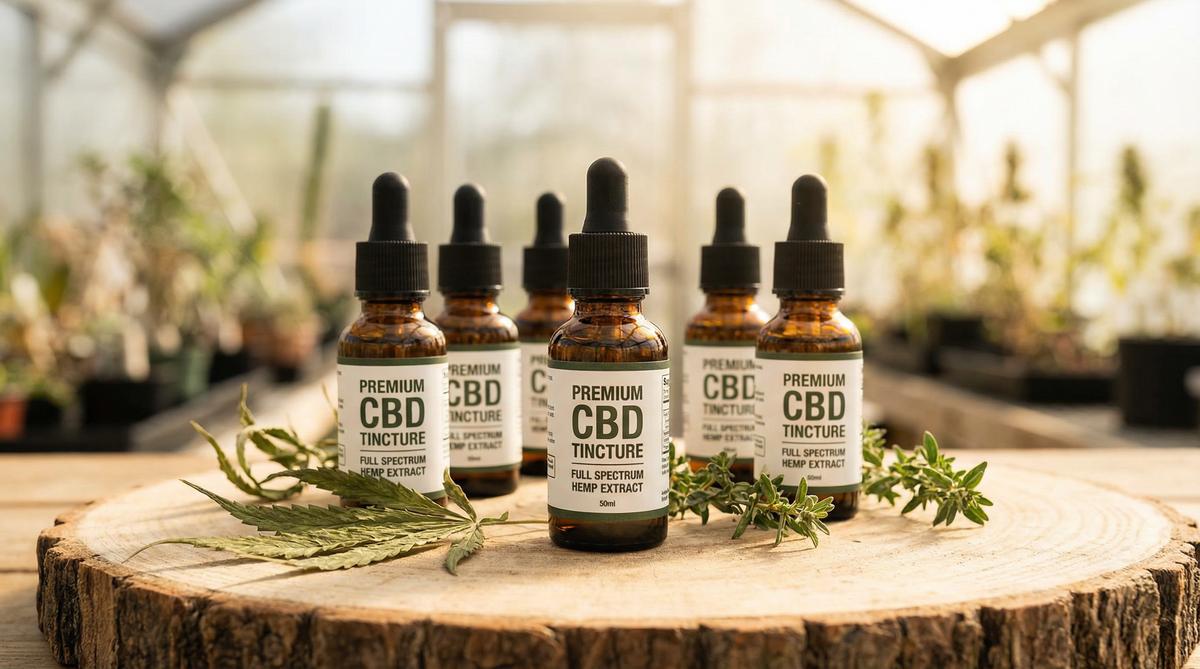
How to Choose the Right CBD Oil for Chronic Pain Management
By Dr. Michael Torres
If you’re like many people living with chronic pain, you know how frustrating it can be to find relief that actually lasts. Over the years, I’ve seen patients and friends turn to various treatments—some effective, others not so much. Recently, CBD oil has gained a lot of attention as a natural alternative for managing chronic pain. But with so many options out there, how do you choose the right CBD oil that truly helps without any unwanted side effects? Let’s have a heart-to-heart about what really matters when picking your CBD oil.
Why Consider CBD Oil for Chronic Pain?
CBD, or cannabidiol, is a compound derived from the cannabis plant but without the psychoactive effects of THC. It interacts with our body’s endocannabinoid system, which plays a role in regulating pain, mood, and inflammation.
According to the NHS, some people have found CBD helpful in managing chronic pain symptoms, though research is ongoing. The FDA notes that while they have only approved one CBD-based drug, Epidiolex, for seizure disorders, interest in CBD’s potential for other conditions like pain is growing.
What to Look for When Choosing CBD Oil
1. Source and Type of CBD
CBD oils typically come in three types: full-spectrum, broad-spectrum, and isolate.
- Full-spectrum: Contains all cannabinoids found in the cannabis plant, including trace amounts of THC (less than 0.3%). This is believed to give an “entourage effect” which might enhance the pain-relieving benefits.
- Broad-spectrum: Includes multiple cannabinoids but zero THC.
- Isolate: Pure CBD without any other cannabinoids or THC.
For chronic pain, many find full-spectrum oils more effective due to the entourage effect, but if you’re worried about THC, broad-spectrum or isolate options can be just as helpful.
2. Potency and Dosage
CBD oils come in a variety of concentrations, from as low as 250mg to over 3000mg per bottle. If you’re just starting out, a lower dose is a safer bet, then you can gradually increase. Remember, higher potency doesn’t always mean better relief; it’s about finding your personal sweet spot.
3. Extraction Method
Look for CBD oils extracted using CO2 extraction. This method is clean, safe, and preserves the quality of cannabinoids and terpenes better than cheaper alternatives like butane extraction.
4. Third-Party Lab Testing
Transparency is key. Reliable brands provide third-party lab reports verifying the potency and purity of their CBD oils—this means no nasty surprises like pesticides, heavy metals, or incorrect CBD/THC levels.
5. Carrier Oil
The carrier oil used in your CBD product affects absorption and taste. MCT oil (from coconut) is popular because it enhances absorption and has a neutral flavor. Hemp seed oil is another natural choice but can have a more earthy taste.
Comparison of Popular CBD Oil Types for Chronic Pain
| Feature | Full-Spectrum | Broad-Spectrum | Isolate |
|---|---|---|---|
| Contains THC | Yes (≤0.3%) | No | No |
| Entourage Effect | Yes | Partial | No |
| Best for Pain Relief | Often preferred | Good alternative | Less effective alone |
| Risk of Positive Drug Test | Possible | Low | None |
| Flavor | Earthy/Herbal | More Neutral | Neutral |
How to Use CBD Oil Safely
Start low and go slow. Begin with a small dose, such as 5-10 mg once a day, and gradually increase as needed while monitoring how you feel. Keep a journal of your dosage and symptoms—this helps you pinpoint your ideal dose.
Also, consult your healthcare provider before starting CBD, especially if you’re on medications or have underlying health conditions. The FDA warns about potential drug interactions with CBD.
Where to Buy Quality CBD Oil
Quality and safety should never be compromised. I recommend purchasing from brands that offer clear labeling, third-party lab results, and use organic hemp. To help you get started, here are two trusted CBD oils I’ve reviewed and recommend:
- Full-Spectrum CBD Oil – ideal for those wanting the full entourage effect with high-quality organic hemp.
- Broad-Spectrum CBD Oil – perfect if you prefer zero THC but still want multiple cannabinoids for pain relief.
Frequently Asked Questions
Is CBD oil legal to use for chronic pain?
CBD oil derived from hemp with less than 0.3% THC is legal in many countries, including the US and UK. However, laws vary, so check local regulations before purchasing.
Are there any side effects of CBD oil?
CBD is generally well-tolerated, but some people experience dry mouth, fatigue, or changes in appetite. Always start with a low dose and consult a doctor if unsure.
How long does it take for CBD oil to relieve pain?
Effects can be noticed within 15-45 minutes when taken sublingually, but optimal pain relief sometimes requires consistent use over days or weeks.
Can I use CBD oil with my existing pain medications?
CBD can interact with some medications. It’s important to consult your healthcare professional before combining CBD with other treatments.
What’s the difference between hemp seed oil and CBD oil?
Hemp seed oil is made from hemp seeds and contains no CBD, so it won’t help with pain. CBD oil is extracted from hemp flowers and contains cannabidiol, which may relieve pain and inflammation.
Final Thoughts
Choosing the right CBD oil for chronic pain can feel overwhelming, but focusing on quality, transparency, and your individual needs leads to the best results. Remember to start slow, track your progress, and always consult with your healthcare provider. If you want to explore top-quality CBD oils that I trust for chronic pain management, check out this full-spectrum option or the broad-spectrum alternative. Your journey to better pain management could begin today.