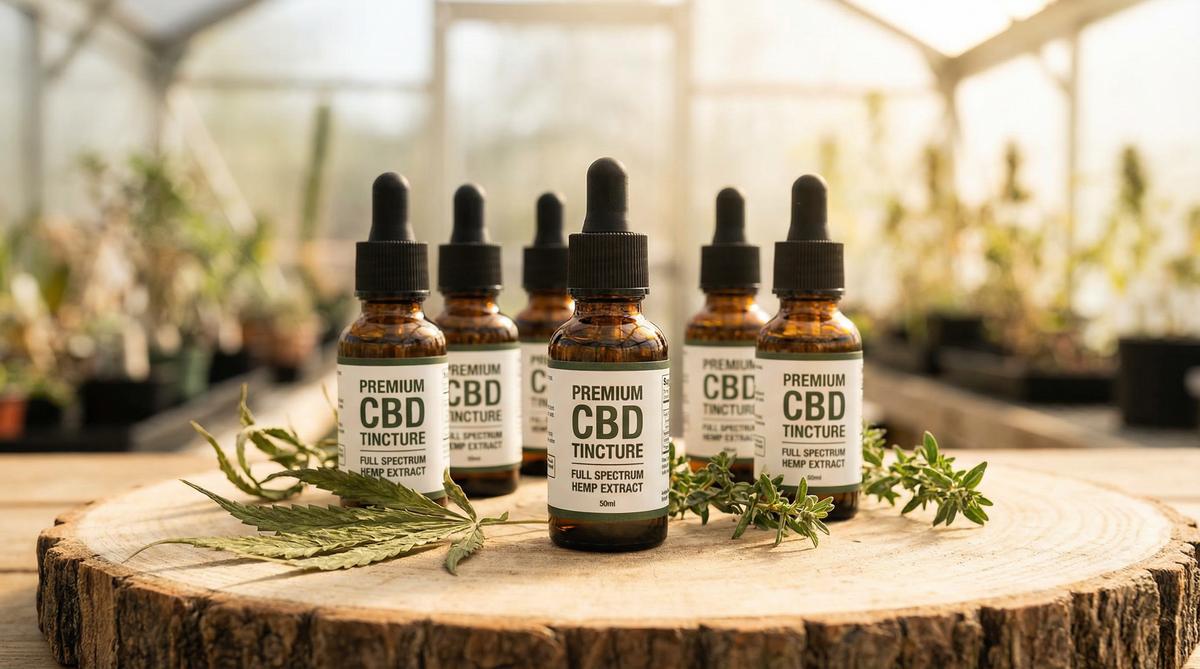
Is CBD Oil Safe for Chronic Pain? What You Need to Know
Hi, I’m Dr. Michael Torres. If you’re reading this, chances are you’re exploring options to manage chronic pain and wondering about the safety of CBD oil. You’re not alone—CBD has taken the wellness world by storm, especially for those of us struggling with persistent discomfort. But is CBD oil really safe? Let’s dive deep and get you the facts, so you can make an informed decision.
What Exactly Is CBD Oil?
Cannabidiol, or CBD, is a natural compound found in the cannabis plant. Unlike THC, the compound responsible for the “high” in marijuana, CBD is non-psychoactive, meaning it won’t make you feel intoxicated. Many people use CBD oil extracted from hemp plants to help manage various health concerns—including chronic pain.
Why Are People Using CBD Oil for Chronic Pain?
Living with chronic pain—whether from arthritis, fibromyalgia, or nerve damage—can be incredibly draining. Traditional painkillers sometimes come with unwanted side effects or risk of dependency. This has led many to seek alternatives. CBD interacts with our endocannabinoid system, which plays a role in regulating pain and inflammation. This interaction is thought to offer relief, but it’s important to remember that research is still ongoing.
Is CBD Oil Safe? Here’s What The Experts Say
Safety is a top concern for anyone trying a new supplement. According to the NHS, CBD is generally well tolerated with few side effects. However, they caution that products can vary widely in quality. The FDA also advises consumers to be wary of unverified claims and suggests consulting a healthcare provider before use.
Common Side Effects
Some users report mild side effects such as:
- Dry mouth
- Drowsiness or fatigue
- Changes in appetite
- Diarrhea
These are usually not severe and often go away after a few days.
Potential Drug Interactions
CBD can interact with certain medications, especially those metabolized by the liver. If you’re on prescription medicines—particularly blood thinners or anti-epileptic drugs—chat with your doctor before starting CBD.
How Does CBD Oil Compare to Other Chronic Pain Treatments?
Let’s take a quick look at how CBD stacks up compared to some common options on safety and side effects:
| Treatment | Common Side Effects | Dependency Risk | FDA Approval for Chronic Pain |
|---|---|---|---|
| CBD Oil | Dry mouth, fatigue, appetite changes | Low | No (except for certain epilepsy forms) |
| Opioids | Nausea, constipation, drowsiness | High | Yes |
| NSAIDs (e.g., ibuprofen) | Stomach pain, ulcers, increased bleeding risk | Low | Yes |
| Physical Therapy | Muscle soreness, fatigue | None | Yes (as part of pain management) |
Choosing The Right CBD Oil For You
Not all CBD oils are created equal. When selecting a product, look for:
- Third-party lab testing: Ensures the product’s purity and potency.
- Clear labeling: Shows CBD concentration and ingredients.
- Hemp-sourced: From reputable farms following safety standards.
To get started with a trusted option, check out my recommended CBD oils here.
My Personal Take: Is CBD Oil Worth Trying for Chronic Pain?
As a doctor, I always emphasize safety and evidence. While CBD oil is not a magic cure, many of my patients report decreased pain and improved quality of life with minimal side effects. If you decide to try it, start low and go slow—pay attention to how your body responds. And importantly, keep your healthcare provider in the loop.
Frequently Asked Questions (FAQ)
1. Can CBD oil get me high?
No. CBD oil contains negligible THC (less than 0.3%) and won’t cause intoxication.
2. How long does it take for CBD to relieve pain?
Effects vary, but many people notice relief within 30 minutes to 2 hours after taking it.
3. Is CBD oil legal?
Yes, hemp-derived CBD with less than 0.3% THC is legal federally in the U.S., but local laws may vary.
4. Can I use CBD with my current medications?
Consult your doctor before combining CBD with prescription meds, especially blood thinners.
5. How do I know what dose of CBD oil to take?
Start with a low dose (e.g., 5-10 mg) and gradually increase until you find relief without side effects.
Ready to Give CBD Oil a Try?
If you’re curious about exploring CBD oil for your chronic pain, I recommend starting with high-quality products that have undergone rigorous testing. Check out my top picks here for safe, reliable options.
Remember: your health journey is unique. With the right information and support, CBD oil could be a valuable tool in managing your chronic pain effectively and safely.
Wishing you comfort and wellness,
Dr. Michael Torres