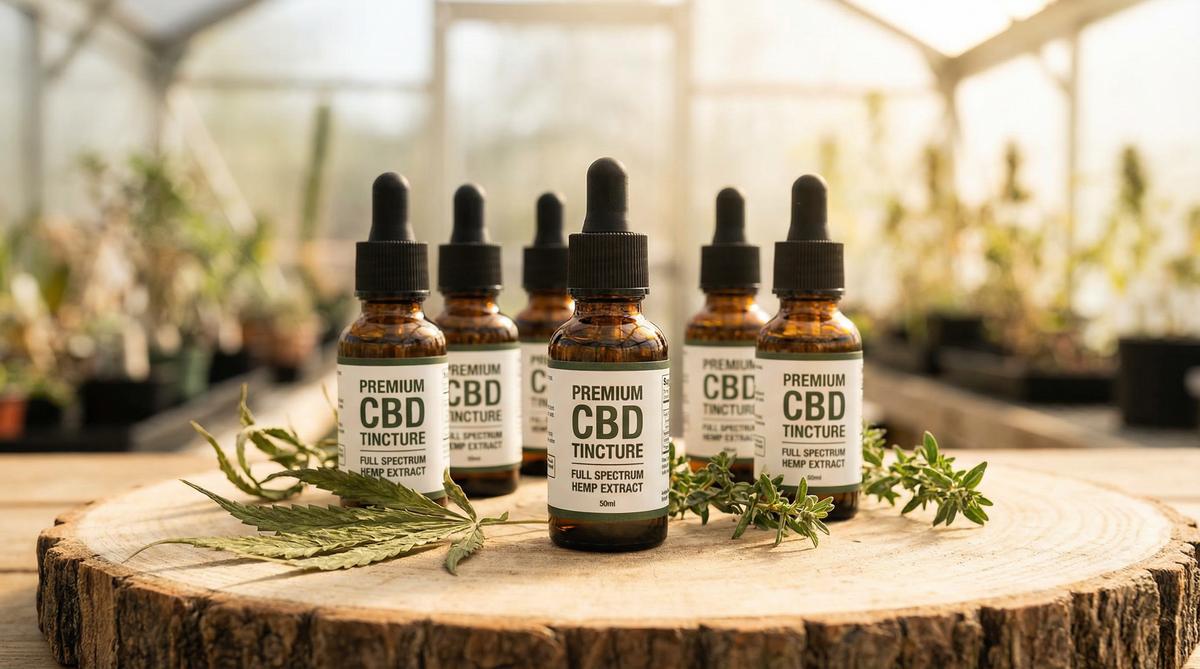
How to Use CBD Oil for Chronic Pain: A Step-by-Step Guide
Hi there, I’m Dr. Michael Torres. Living with chronic pain can feel overwhelming, but over the years, I’ve seen how CBD oil can offer genuine relief when used properly. If you’re new to CBD or want to fine-tune your approach, this guide will walk you through everything you need to know to get started safely and effectively.
What Is CBD Oil and Why Consider It for Chronic Pain?
CBD, or cannabidiol, is a compound derived from the hemp plant. Unlike THC, it won’t get you high, but it interacts with your body’s endocannabinoid system to potentially reduce pain and inflammation. The NHS acknowledges its growing popularity, especially among people with chronic conditions.
Step 1: Choosing the Right CBD Oil
Not all CBD oils are created equal. Here’s what to look for:
- Full-Spectrum vs Broad-Spectrum vs Isolate: Full-spectrum contains all cannabinoids, including trace THC; broad-spectrum contains cannabinoids but no THC; isolate is pure CBD. Full-spectrum may offer enhanced effects through the “entourage effect”.
- Third-Party Testing: Make sure the product has lab results verifying purity and potency.
- Source of Hemp: Organic and US or EU-grown hemp tends to be safer.
Quick Comparison: Types of CBD Oil
| Type | THC Content | Benefits | Drawbacks |
|---|---|---|---|
| Full-Spectrum | Trace amounts (<0.3%) | Entourage effect; more effective for some | May show up on drug tests |
| Broad-Spectrum | None | Entourage effect without THC | Less studied than full-spectrum |
| Isolate | None | Pure CBD; no risk of THC | May be less effective alone |
Step 2: Determining Your Dosage
Figuring out the right dose can feel tricky, but starting low and going slow is key. A general recommendation is to begin with 5-10 mg of CBD once a day and increase gradually until you find relief. According to the FDA, individual responses vary widely, so listen to your body.
Tips for Dosing:
- Use a consistent brand and product.
- Keep a journal to track your dose and symptoms.
- Be patient—effects can take up to two weeks to show.
Step 3: Best Methods for Using CBD Oil for Chronic Pain
How you take CBD oil matters. Here are some popular routes, each with pros and cons:
- Sublingual (Under the Tongue): Place drops under your tongue for 60 seconds before swallowing. This method offers faster absorption.
- Capsules: Easy to take but slower absorption through digestion.
- Topicals: Creams or balms applied directly to the painful area, great for localized pain.
- Vaping: Fast absorption but not recommended for everyone due to lung concerns.
Step 4: Monitor Effects and Adjust
After you’ve chosen your product and dose, the next step is to monitor how you feel. Chronic pain fluctuates, so maintaining a symptom diary helps. If you notice no change after two weeks, consider increasing the dose slightly. Talking to your healthcare provider is always a good idea, especially if you take other medications.
Affiliate Recommendation: Try This Top-Rated CBD Oil for Chronic Pain
Based on my research and patient feedback, I recommend Calm Relief CBD Oil. It’s a full-spectrum, organically grown hemp extract, third-party tested, and specially formulated for pain relief.
Safety Considerations
CBD is generally well tolerated, but it can interact with some medications, especially blood thinners. The Financial Conduct Authority (FCA) also warns to buy CBD products from reputable sources to avoid scams or mislabeled products.
Frequently Asked Questions about Using CBD for Chronic Pain
Is CBD oil addictive?
No, CBD oil is not addictive and does not produce a high. The World Health Organization has confirmed that CBD has a good safety profile.
How long does it take for CBD oil to work for chronic pain?
It varies, but many people notice improvement within a few days to two weeks of consistent use.
Can I take CBD oil with my prescription medications?
Always consult your doctor before combining CBD with prescription meds as it may affect drug metabolism.
What is the best time of day to take CBD oil?
Many find evening dosing helps with sleep and pain overnight, but you can experiment with morning or afternoon based on your routine.
Is CBD oil legal?
Yes, CBD oil derived from hemp with less than 0.3% THC is legal in many countries, including the US and UK. Check local regulations to be sure.
Final Thoughts
Using CBD oil for chronic pain can be a transformative experience when approached thoughtfully. Remember to start with a reputable product, begin with a low dose, and give yourself time to assess its effects. If you want to explore high-quality options, I suggest trying Calm Relief CBD Oil today.
Disclaimer: This article is for informational purposes only and does not constitute medical advice. Consult your healthcare provider before starting any new supplement.