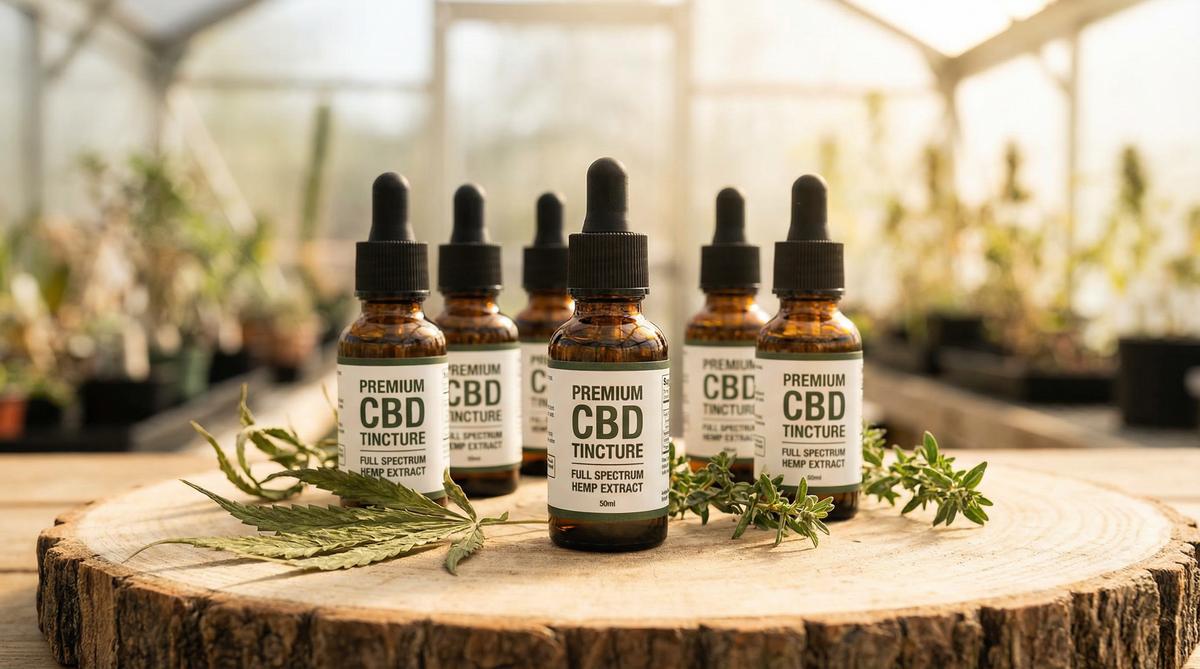
Beginner’s Guide: How to Use CBD Oil for Chronic Pain Management
Hi, I’m Dr. Michael Torres. If you’re struggling with chronic pain, you’re not alone. Pain can feel like an uninvited guest that never leaves. Over the years, many of my patients have asked about CBD oil — a natural remedy that’s been gaining attention for its potential to ease chronic pain. In this guide, I’ll walk you through everything you need to know as a beginner, from how CBD works to practical tips on getting started safely.
What Is CBD Oil and How Does It Help With Chronic Pain?
CBD, or cannabidiol, is a compound extracted from the cannabis plant. Unlike THC, another well-known compound, CBD doesn’t produce any psychoactive effects — meaning you won’t get “high.” Instead, CBD interacts with the body’s endocannabinoid system, which helps regulate pain, mood, and inflammation.
Research suggests that CBD may help reduce chronic pain by influencing receptors in the brain and immune system. A review published in the Journal of Experimental Medicine found that CBD could significantly reduce inflammation and neuropathic pain.
Is CBD Oil Safe? What Do the Experts Say?
Safety is often the first concern. The U.S. Food & Drug Administration (FDA) advises consumers to be cautious, but studies generally recognize CBD as well-tolerated with a good safety profile. The UK’s National Health Service (NHS) also notes that side effects are usually mild and may include fatigue, diarrhea, or changes in appetite.
How to Get Started with CBD Oil for Chronic Pain
Jumping into CBD for pain management may feel overwhelming at first, but here are some simple steps to guide you:
- Choose a high-quality CBD oil: Look for products that are third-party tested to ensure purity and potency. Avoid companies that don’t provide lab results.
- Start with a low dose: Begin with a small amount, like 5-10 mg per day, and gradually increase as you monitor your body’s response.
- Decide on the method of consumption: CBD oils come in tinctures, capsules, topicals, and more. For chronic pain, tinctures placed under the tongue can offer faster relief, while topicals can target localized pain.
- Be patient and consistent: It can take several days or weeks to notice the full effects, so stick with your routine.
Forms of CBD Oil and Their Benefits
| Form | How to Use | Pros | Cons |
|---|---|---|---|
| Tinctures (Drops) | Place under tongue, hold 60 secs, swallow | Fast absorption; easy to adjust dose | Distinct taste; requires measuring |
| Capsules | Swallow like a pill | No taste; convenient dosing | Slower absorption; less flexible dosing |
| Topicals (Creams, Balms) | Apply directly to painful area | Targets localized pain; no systemic effects | May not absorb deeply; effects vary |
| Edibles | Eat gummies or infused foods | Long-lasting relief; discreet | Delayed onset; difficult to dose precisely |
Tips for Maximizing CBD Oil’s Effectiveness
To get the most from your CBD oil, keep these tips in mind:
- Talk to your healthcare provider: Especially if you’re on other medications, CBD can interact with some drugs.
- Maintain a pain journal: Track your dosage, timing, and pain levels to identify what works best.
- Choose full-spectrum or broad-spectrum CBD: Some evidence suggests these may be more effective due to the “entourage effect,” where cannabinoids work synergistically.
- Store your CBD properly: Keep it away from heat and light to preserve potency.
Where to Buy Quality CBD Oil for Chronic Pain
Finding trustworthy CBD products can feel like navigating a maze. To make it easier, here are two trusted options I personally recommend that you can try risk-free:
- Premium CBD Oil by GreenRelief – Known for its rigorous third-party lab testing and organic ingredients.
- PainAway CBD Tincture – Formulated specifically for chronic pain sufferers, featuring broad-spectrum hemp extract.
Frequently Asked Questions About Using CBD Oil for Chronic Pain
1. Will CBD oil make me feel high?
No. CBD oil contains negligible amounts of THC, the compound responsible for the psychoactive effects in marijuana. Most reputable products contain less than 0.3% THC, which does not cause intoxication.
2. How long does it take for CBD oil to work on pain?
The effects of CBD oil can vary based on the method of consumption. Sublingual tinctures usually take 15-45 minutes, while capsules or edibles might take 1-2 hours. Consistency over days or weeks also impacts results.
3. Can I use CBD oil alongside my current medication?
CBD can interact with certain medications, especially those metabolized by the liver enzyme CYP450. Always consult your healthcare provider before combining CBD with other drugs.
4. Are there any side effects of using CBD oil?
Most people tolerate CBD well. Some may experience mild side effects like fatigue, dry mouth, or gastrointestinal discomfort.
5. Is CBD oil legal?
In many countries, CBD oil derived from hemp with less than 0.3% THC is legal. However, laws vary, so check your local regulations before purchasing.
Final Thoughts
CBD oil offers a promising, natural option for managing chronic pain, but like any treatment, it’s important to approach it thoughtfully. Start low and go slow, choose quality products, and keep track of how your body responds. With patience, you may find relief that helps you reclaim your daily comfort and joy.
Ready to give CBD oil a try? Check out GreenRelief’s Premium CBD Oil for a trusted, high-quality start.
Or explore PainAway CBD Tincture— specially formulated to target chronic pain with broad-spectrum hemp extracts.
Here’s to your journey toward better pain management!