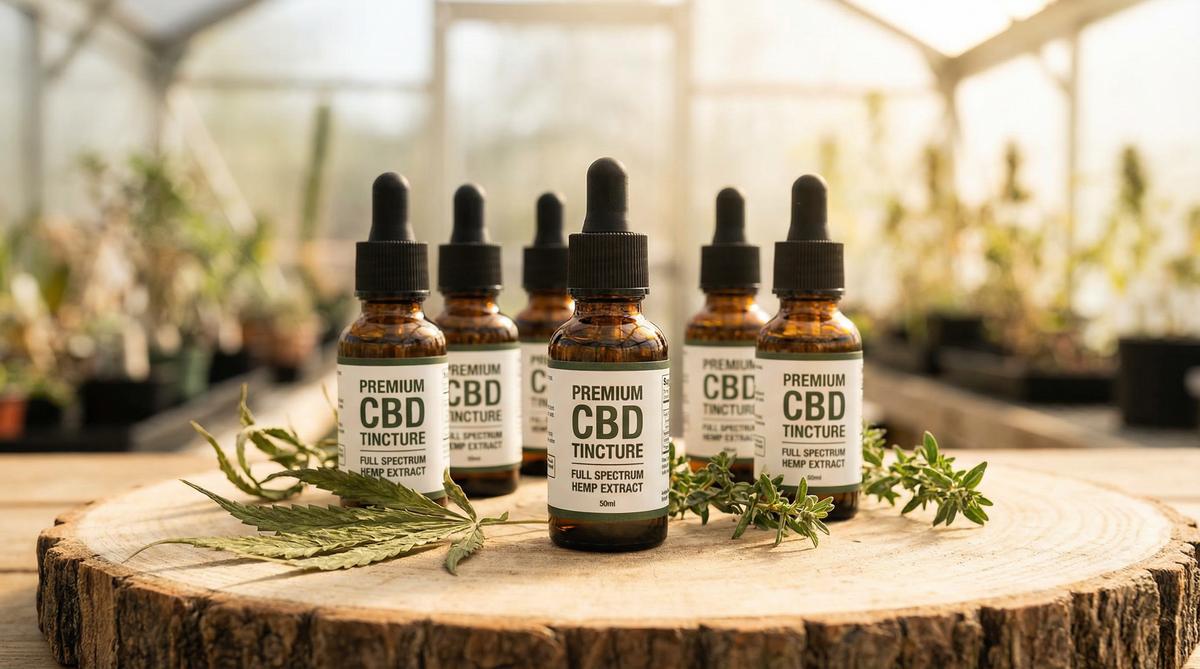
CBD Oil and Chronic Pain: What the Latest Research Reveals
By Dr. Michael Torres
If you or a loved one suffer from chronic pain, you’ve probably heard the buzz about CBD oil and wondered: does it actually help? I get it—after decades working with patients managing persistent pain, I know how desperate the search for effective relief can be. In this article, I’m breaking down the latest research on CBD oil for chronic pain, sharing what science says and what it means for you.
Understanding Chronic Pain and Why It’s Challenging to Treat
Chronic pain isn’t just a lingering ache. It’s pain lasting longer than three months, often resistant to traditional treatments like NSAIDs or opioids. This complex condition can stem from arthritis, nerve damage, fibromyalgia, and more, drastically impacting quality of life.
Because conventional medications sometimes come with unwanted side effects or risk of dependency, many people are exploring alternatives. Enter CBD oil—a natural compound derived from hemp—gaining attention for its potential to ease pain without the high associated with marijuana.
What Is CBD Oil?
Short for cannabidiol, CBD is one of over 100 cannabinoids found in the cannabis plant. Unlike THC (tetrahydrocannabinol), CBD doesn’t produce psychoactive effects, meaning it won’t get you “high.” Instead, it interacts with your body’s endocannabinoid system, a network that helps regulate pain, inflammation, mood, and sleep.
Latest Research on CBD Oil and Chronic Pain
1. Scientific Studies Point to Promising Benefits
A 2021 review published in the Journal of Pain Research analyzed multiple clinical trials and found that CBD and cannabinoids showed significant potential in reducing chronic pain symptoms, especially neuropathic pain (source: NCBI).
Similarly, the NHS acknowledges that while more large-scale studies are needed, early evidence suggests CBD may help improve sleep and reduce pain and anxiety for some patients.
2. How CBD Compares to Traditional Pain Relief
Unlike opioids, CBD has a low risk of dependency and fewer side effects. In fact, the FDA has approved a CBD-based drug called Epidiolex for epilepsy, showing the compound’s medical potential (source: FDA).
| Feature | CBD Oil | Traditional Painkillers (NSAIDs/Opioids) |
|---|---|---|
| Addiction Risk | Low | High (Opioids) |
| Side Effects | Mild (fatigue, dry mouth) | Gastrointestinal, liver damage, sedation |
| Effectiveness for Chronic Pain | Promising, especially neuropathic pain | Effective but with limitations and tolerance issues |
| Legal Status | Legal in most states (hemp-derived) | Prescription required for opioids |
What Does This Mean for You?
If you’re considering CBD oil for chronic pain, here are some practical tips based on current knowledge:
- Start low and go slow: Begin with a low dose and observe how your body reacts.
- Choose quality products: Look for third-party tested oils with clear CBD and THC content.
- Consult your healthcare provider: Especially if you’re on other medications.
Recommended CBD Oils for Chronic Pain Relief
Over the years, I’ve reviewed many CBD oils that stand out for purity, potency, and customer trust. Here are two I recommend:
- PureRelief CBD Oil – Great for beginners with a balanced THC-free formula.
- Nature’s Cure CBD Drops – Full-spectrum oil for enhanced entourage effect and potent relief.
FAQs About CBD Oil and Chronic Pain
1. Is CBD oil legal to use for chronic pain?
Yes, hemp-derived CBD oil containing less than 0.3% THC is legal federally in the US, though state laws vary. Always check local regulations.
2. Will CBD oil make me feel “high”?
No. CBD itself is non-psychoactive and does not cause intoxication.
3. How long does it take for CBD to relieve pain?
Effects can be felt within 15-45 minutes when taken sublingually, but consistent use over days or weeks is often needed for chronic pain relief.
4. Are there any side effects?
Some users report mild side effects like dry mouth, fatigue, or digestive upset, but CBD is generally well tolerated.
5. Can CBD oil interact with my medications?
Yes, CBD can interact with certain medications, especially those metabolized by the liver. Consult your doctor before starting CBD.
Final Thoughts
While more extensive clinical trials are underway, existing research paints a hopeful picture for CBD oil as a safe and effective option to help manage chronic pain. If you’re ready to explore what CBD can do for you, consider starting with trusted products like PureRelief CBD Oil or Nature’s Cure CBD Drops.
Remember, the best approach to managing chronic pain is personalized and often requires a combination of therapies. Stay informed, stay safe, and take control of your journey to relief.