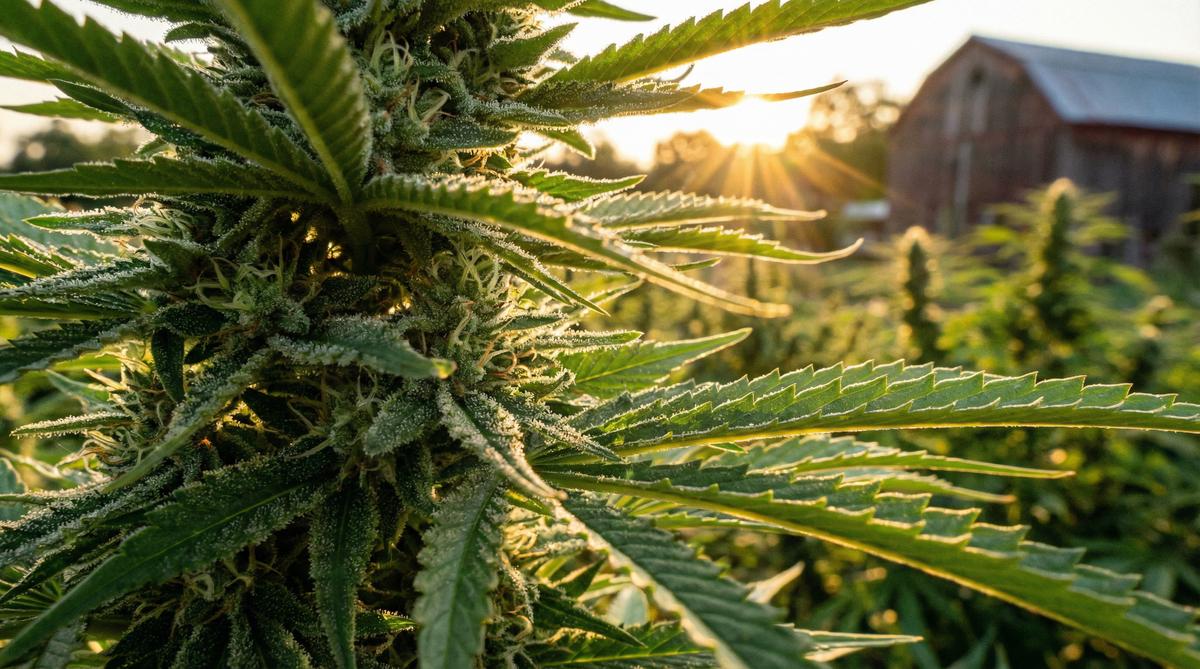
CBD Oil for Chronic Pain: Common Myths and Misconceptions
Hi, I’m Dr. Michael Torres. If you’re navigating the world of chronic pain, you’ve probably heard about CBD oil as a natural alternative that’s gaining quite a bit of attention. But with popularity comes misinformation, and it’s easy to get lost in the haze of myths surrounding CBD. Today, I want to clear the air and help you understand what CBD oil really can and can’t do for chronic pain, so you can make informed decisions with confidence.
Why Talk About Myths?
Chronic pain affects millions globally, and many are searching for relief beyond traditional medications. CBD oil has emerged as a promising option, but along with its rise, a plethora of misconceptions have spread. Separating fact from fiction is important because, as a patient or caregiver, you deserve accurate information that helps rather than hinders your health journey.
Myth #1: CBD Oil Gets You High
This is probably the most common myth I encounter. CBD (cannabidiol) is often confused with THC (tetrahydrocannabinol), the compound in cannabis responsible for the psychoactive “high.” However, CBD is non-intoxicating. According to the U.S. FDA, CBD products derived from hemp contain less than 0.3% THC, which is insufficient to cause any psychoactive effects.
So, if you’re worried about feeling “stoned” or impaired, rest assured that high-quality CBD oil won’t induce these effects.
Myth #2: CBD Is a Cure-All for Chronic Pain
While CBD shows promise in managing certain types of pain, it’s not a miracle cure. Studies like the one published in the Journal of Experimental Medicine suggest that CBD may help reduce inflammation and neuropathic pain, but results vary among individuals and conditions.
Chronic pain can have diverse causes, and while CBD might be part of an effective pain management plan, it usually works best when combined with other treatments like physical therapy, medication, and lifestyle changes.
Myth #3: All CBD Oils Are the Same
Not all CBD products provide the same experience or quality. The market is flooded with products ranging widely in purity, potency, and source of hemp. For example, full-spectrum CBD contains trace amounts of THC and other cannabinoids, potentially offering an “entourage effect,” while isolate CBD is pure cannabidiol with no other cannabinoids.
Check the product’s Certificate of Analysis (COA) and look for third-party lab testing to ensure you’re getting a safe and reliable product. The NHS also recommends purchasing CBD from reputable brands to avoid contaminants or mislabeled concentrations.
Myth #4: CBD Oil Has No Side Effects
Just because CBD is generally considered safe doesn’t mean it’s completely free of side effects. Some people report mild symptoms like dry mouth, fatigue, or changes in appetite. Additionally, CBD can interact with certain medications, especially those metabolized by liver enzymes.
Always consult your healthcare provider before adding CBD oil to your regimen, especially if you’re on prescribed drugs or have underlying health conditions.
How CBD Compares to Common Pain Relievers
| Aspect | CBD Oil | NSAIDs (e.g., Ibuprofen) | Opioids |
|---|---|---|---|
| Mechanism | Interacts with endocannabinoid system to reduce inflammation and pain | Blocks enzymes that cause inflammation and pain | Binds opioid receptors to block pain signals |
| Risk of Addiction | Low to none | None | High |
| Side Effects | Mild – dry mouth, fatigue, possible drug interactions | Stomach upset, kidney issues with long-term use | Constipation, respiratory depression, dependence |
| Legal Status | Legal if hemp-derived and less than 0.3% THC | Over-the-counter | Prescription only |
Affiliate Recommendation: Finding Quality CBD Oil
If you’re ready to explore CBD oil for chronic pain, I recommend starting with trusted brands that provide transparent lab results and use organically grown hemp. One product I personally endorse is CalmRelief CBD Oil. It balances potency and purity, making it a great option for newcomers and experienced users alike.
Remember, no supplement replaces professional medical advice, but with proper guidance, CBD oil can be a beneficial part of your wellness toolkit.
Frequently Asked Questions (FAQs)
1. Is CBD oil legal to use for chronic pain?
Yes, CBD oil derived from hemp with less than 0.3% THC is legal federally in many countries including the U.S. However, local laws may vary, so always check regulations in your area.
2. How long does it take for CBD oil to work on chronic pain?
Effects vary by individual, dosage, and delivery method. Some people notice relief within 15-45 minutes (especially with tinctures), while others may take several weeks of consistent use to feel benefits.
3. Can I take CBD oil with my current medications?
CBD can interact with certain medications. Always consult your doctor before combining CBD with prescribed drugs.
4. What’s the best way to take CBD oil for chronic pain?
Tinctures taken sublingually offer faster absorption. Capsules and edibles provide longer-lasting effects but take longer to kick in. Topicals may help with localized pain but have limited systemic effects.
5. Are there any long-term side effects of CBD oil?
Current research indicates CBD is generally safe with few reported long-term side effects, but ongoing studies are needed. Monitoring your response and consulting healthcare providers is essential.
Ready to Try CBD Oil for Chronic Pain?
If you’re curious about giving CBD oil a shot, make sure to choose a product that’s transparent about its ingredients and lab-tested for safety. Here’s my top pick again for an easy start: Get CalmRelief CBD Oil here.
For more details, expert reviews, and exclusive discounts, visit our homepage. Taking control of your pain has never been more approachable!