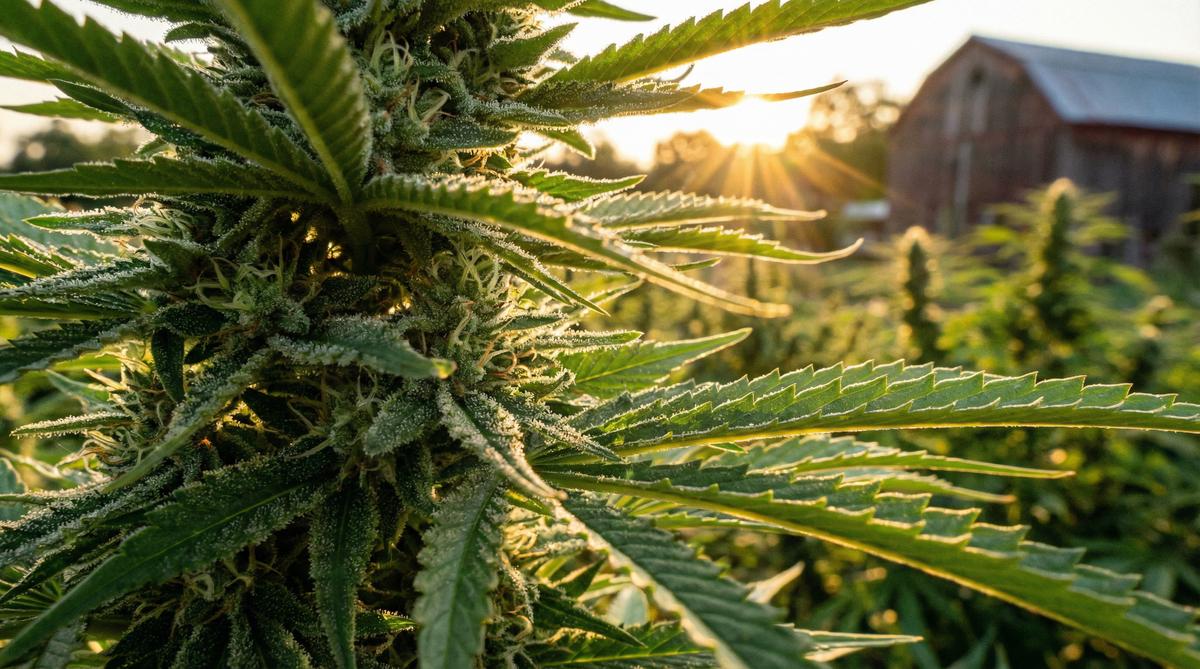
CBD Oil for Chronic Pain: Common Myths Debunked
Hi, I’m Dr. Michael Torres, and if you’re reading this, there’s a good chance you or someone you love is dealing with chronic pain. I’ve spent years researching alternative pain relief options, and CBD oil has become a hot topic—and for good reason. But with popularity comes misinformation. Today, I want to clear the air and debunk some of the most common myths about using CBD oil for chronic pain.
What Is CBD Oil, Really?
Before we dive into myths, let’s quickly cover what CBD oil is. CBD (short for cannabidiol) is a compound found in the cannabis plant that doesn’t give you a “high.” Instead, it interacts with the body’s endocannabinoid system to potentially ease inflammation and pain. The NHS provides a great overview that can help clarify this further.
Myth 1: CBD Is Just Another Form of Marijuana
This is one of the biggest misconceptions. While CBD does come from cannabis, it’s distinct from THC (tetrahydrocannabinol), the compound responsible for marijuana’s psychoactive effects. CBD won’t get you high. According to the FDA, products derived from hemp with less than 0.3% THC are legal and non-intoxicating.
Myth 2: CBD Works Instantly for Chronic Pain
While many people report relief, CBD isn’t a magic bullet you can rely on for immediate pain relief like some prescription medications or NSAIDs. CBD interacts with your body in a complex way, and effectiveness can vary based on dosage, product quality, and individual differences. Some studies, like one published in Frontiers in Pharmacology, suggest continuous use over weeks may be necessary to experience significant pain reduction.
Myth 3: All CBD Products Are the Same
Not at all! The CBD market is flooded with countless products of varying quality. Some contain contaminants or less CBD than advertised. That’s why I always recommend choosing brands that provide third-party lab results to verify purity and potency. The Financial Conduct Authority warns consumers to be wary of unregulated products, emphasizing safety first.
Myth 4: You Can’t Take CBD Oil with Other Medications
Many people worry about interactions, and it’s smart to be cautious. CBD can interact with some medications metabolized by the liver. Always consult your healthcare provider before adding CBD to your regimen, especially if you’re on blood thinners or anti-epileptic drugs. But for many, CBD is a safe adjunct therapy.
How Does CBD Compare to Common Pain Relief Options?
| Aspect | CBD Oil | NSAIDs (e.g., Ibuprofen) | Opioids |
|---|---|---|---|
| Mechanism of Action | Modulates endocannabinoid system to reduce inflammation and pain | Reduces inflammation by inhibiting enzymes (COX-1 and COX-2) | Binds to opioid receptors to block pain signals |
| Side Effects | Mild (fatigue, dry mouth) | Gastrointestinal issues, kidney problems | Addiction, respiratory depression |
| Addiction Risk | Low to none | None | High |
| Legal Status | Legal in many regions with <0.3% THC | Widely available over-the-counter | Prescription only |
| Onset Time | Variable; hours to weeks for full effect | Within 30 minutes to 2 hours | Within minutes |
Choosing the Right CBD Oil for Chronic Pain
When considering CBD, quality matters. Look for full-spectrum or broad-spectrum oils with transparent lab testing. Start with a low dose and gradually increase while monitoring your body’s response. Remember, patience is key.
If you’re ready to explore high-quality CBD oil that’s third-party tested and trusted by many, check out these top-rated CBD oils here.
FAQs About CBD Oil for Chronic Pain
Is CBD oil legal in the UK and US?
Yes, CBD oil derived from hemp with less than 0.3% THC is legal in many parts of the UK and US. However, regulations vary by state and country, so check local laws.
Can I become addicted to CBD?
CBD is non-intoxicating and has a low risk of addiction, unlike opioids or other painkillers.
How long does it take for CBD oil to work for pain?
Effects vary, but many people notice improvements within a few days to weeks of consistent use.
Are there any side effects?
Some users report mild side effects like fatigue, dry mouth, or changes in appetite.
Can I take CBD oil with my current medication?
Consult your healthcare professional before combining CBD with other medications, as interactions may occur.
Wrapping It Up
Clearing up misconceptions helps us make informed choices. CBD oil isn’t a cure-all, but it’s a promising option for many battling chronic pain. Just remember to do your homework, consult your doctor, and choose quality products.
Ready to give CBD oil a try? Explore our top recommended CBD oils that have helped thousands find relief.
Here’s to your health and pain-free days ahead!
— Dr. Michael Torres