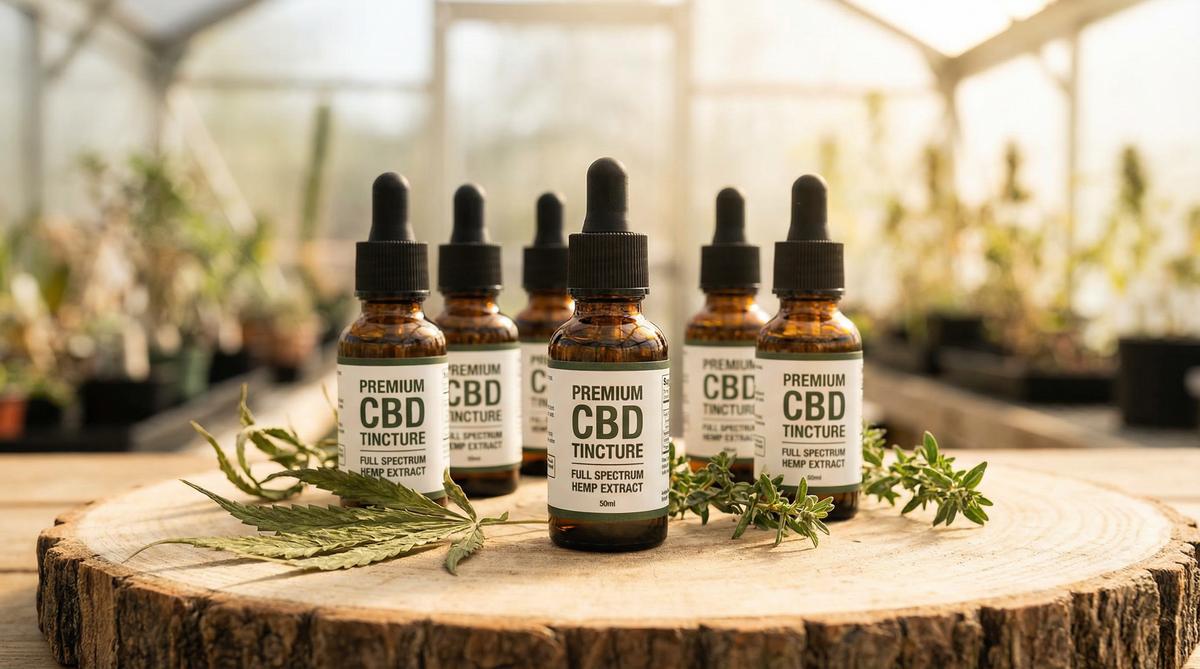
CBD Oil for Chronic Pain: Legal Considerations and Buying Tips
Hi, I’m Dr. Michael Torres. If you’re struggling with chronic pain like many of my patients, you’ve probably heard about CBD oil and its growing reputation as a natural alternative for relief. But before you jump in, it’s important to understand the legal landscape and know how to choose a high-quality product. In this article, I’ll walk you through everything you need to know to make an informed decision.
Understanding the Legal Landscape of CBD Oil
The first question I always get is: “Is CBD oil legal?” The answer depends on where you live and the type of CBD product you’re considering.
Legal Status in the US
In the United States, the 2018 Farm Bill legalized hemp-derived CBD products containing less than 0.3% THC at the federal level. However, the FDA still regulates CBD, especially when it comes to making health claims or adding CBD to food and supplements. Some states have stricter laws, so it’s wise to check local regulations before purchasing.
Legal Status in the UK and Europe
Over in the UK, CBD oil is legal if it contains no THC and comes from hemp strains approved by the Food Standards Agency. Products must also meet novel food regulations and not claim to diagnose, treat, or cure diseases per NHS guidance. Europe varies by country but generally follows similar restrictions.
What Does This Mean for You?
Legal status aside, the key takeaway is to buy CBD oil that’s:
- Derived from hemp, not marijuana
- Contains less than the legal THC limit (0.3% in the US, zero or trace amounts elsewhere)
- From reputable sources that provide third-party lab results
How to Choose the Right CBD Oil for Chronic Pain
When it comes to chronic pain, not all CBD oils are created equal. Here are the main factors to consider:
Full-Spectrum vs. Broad-Spectrum vs. Isolate
These terms describe the cannabinoid content:
- Full-Spectrum: Contains all cannabinoids including trace THC (under legal limits). Offers the “entourage effect” which may enhance pain relief.
- Broad-Spectrum: Contains multiple cannabinoids but zero THC.
- Isolate: Pure CBD, no other cannabinoids.
Many chronic pain sufferers find full-spectrum or broad-spectrum oils more effective due to the entourage effect, but if you’re concerned about THC appearing on drug tests, isolate may be safer.
Extraction Method and Purity
CO2 extraction is regarded as the gold standard because it preserves cannabinoids without harsh solvents. Avoid products extracted with cheaper chemical solvents. Also, check for third-party lab tests that verify potency and purity—no heavy metals, pesticides, or residual solvents.
Dosing and Potency
CBD dosage varies widely based on individual factors. Start low (around 5-10 mg a day) and increase gradually. Look at the total milligrams of CBD per bottle and per serving to ensure it fits your needs. Higher potency oils offer convenience but can be more expensive.
Comparison Table: Popular CBD Oils for Chronic Pain
| Brand | Type | Potency (mg/ml) | Price per ml | Third-Party Testing | THC Content |
|---|---|---|---|---|---|
| PureRelief CBD | Full-Spectrum | 25 mg/ml | $0.10 | Yes | < 0.3% |
| CalmNature Broad | Broad-Spectrum | 20 mg/ml | $0.12 | Yes | 0% |
| IsolateCare | Isolate | 30 mg/ml | $0.08 | Yes | 0% |
Tips for Buying CBD Oil Safely
- Check the Label: Ingredients, CBD concentration, batch number.
- Look for Lab Reports: Third-party testing confirms quality.
- Research the Brand: Reputable brands are transparent and have good reviews.
- Avoid Unrealistic Claims: If it sounds too good to be true, it probably is.
- Consult Your Doctor: Especially if you’re on medications.
FAQ: Your Top CBD Questions Answered
Is CBD oil legal everywhere?
Not quite. While hemp-derived CBD is legal federally in the US if THC content is below 0.3%, local laws vary by state and country. Always check your local regulations.
Will CBD oil show up on a drug test?
Full-spectrum products contain trace THC which might show up on sensitive drug tests. Broad-spectrum or isolate oils generally do not.
Can I use CBD oil alongside my prescription pain meds?
It’s important to consult your healthcare provider before combining CBD with other medications to avoid interactions.
How long does it take for CBD oil to relieve chronic pain?
Effects vary per individual and product type. Some feel relief within 30 minutes to an hour, while for others it may take days of consistent use.
Are there any side effects of CBD oil?
CBD is generally well tolerated but can cause dry mouth, fatigue, or changes in appetite in some users.
Final Thoughts
CBD oil offers hope for many dealing with chronic pain, but it’s essential to navigate the legal maze and select quality products carefully. Stick with trusted brands, look for third-party testing, and always consult your doctor.
If you’re ready to try CBD oil for your pain relief journey, I highly recommend starting with PureRelief CBD for their full-spectrum quality and transparency. Or, if you prefer zero THC, CalmNature Broad is an excellent broad-spectrum option.
Remember, chronic pain management is a marathon, not a sprint — and quality CBD oil can be a valuable tool on your path to better days.