CBD Oil for Chronic Pain: Myths and Facts Explained
Hi, I’m Dr. Michael Torres, and I want to share some insights I’ve gathered over the years about using CBD oil for chronic pain. If you’re struggling with long-lasting pain, you’ve probably come across countless headlines and social media posts hyping up CBD as a miracle cure. But what’s true, and what’s just hype? Let’s set the record straight.
Understanding Chronic Pain and CBD
Chronic pain affects over 20% of adults worldwide, often limiting daily activities and quality of life. Traditional medications sometimes come with unwanted side effects or lose effectiveness over time. This is why many people are turning to alternatives like CBD oil, a compound derived from the cannabis plant that doesn’t produce a “high.”
Myth #1: CBD Oil Is Psychoactive Like Marijuana
This is a very common misconception. CBD (cannabidiol) is non-intoxicating, unlike THC (tetrahydrocannabinol), the compound responsible for marijuana’s euphoric effects. The NHS clearly states that CBD won’t get you high and is generally considered safe when used properly (NHS).
Myth #2: CBD Is Just a Trend and Has No Real Medical Benefits
While CBD isn’t a cure-all, research shows it may offer meaningful relief for some chronic pain conditions. For example, a 2020 review in the Journal of Pain Research evaluated multiple studies and found promising evidence that CBD may help reduce pain and improve quality of life for patients with conditions such as fibromyalgia and neuropathy (NCBI).
Myth #3: CBD Oil Works the Same for Everyone
Not exactly. The way CBD interacts with your body’s endocannabinoid system varies individually. Factors like metabolism, dosage, and product quality all influence results. That’s why working with a healthcare professional to find the right dosage and form is crucial.
CBD Oil vs. Traditional Pain Relief: What’s the Difference?
Here’s a quick look at how CBD and conventional pain medications compare:
| Feature | CBD Oil | Traditional Painkillers (e.g., NSAIDs, Opioids) |
|---|---|---|
| Mechanism | Interacts with endocannabinoid system affecting pain and inflammation | Blocks enzymes or receptors related to pain signaling |
| Side Effects | Mild (dry mouth, fatigue); generally well-tolerated | Can include nausea, stomach upset, risk of addiction (opioids) |
| Legal Status | Legal in many countries when derived from hemp and low THC | Prescription may be required; regulated substances |
| Risk of Dependency | Low to none | High (opioids) |
| Onset of Relief | Variable (minutes to hours depending on form) | Fast-acting (depending on drug) |
Is CBD Oil Safe for Chronic Pain? What Does the FDA Say?
The FDA has approved only one CBD-based drug, Epidiolex, for rare types of epilepsy. They caution consumers to be aware of unverified health claims and emphasize the need for more research (FDA). That said, preliminary studies and anecdotal reports suggest that CBD has a good safety profile, especially when sourced from reputable suppliers and used at recommended doses.
How to Choose Quality CBD Oil for Chronic Pain
With so many products on the market, selecting a trustworthy CBD oil can feel overwhelming. Here are three tips I always share with my patients:
- Look for Third-Party Lab Testing: This ensures the product contains the advertised amount of CBD and is free from harmful contaminants.
- Check the Source: Hemp grown organically is less likely to contain pesticides or heavy metals.
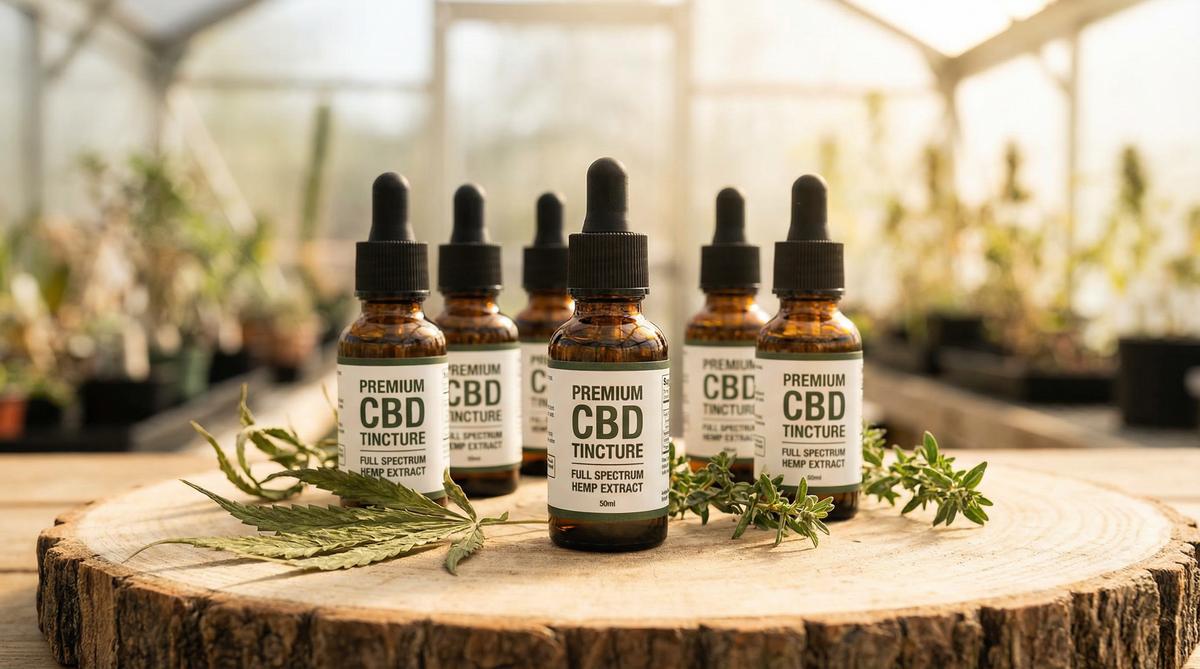
- Understand the Type: Full-spectrum CBD contains all cannabinoids (including trace THC), broad-spectrum removes THC, and isolates contain only CBD. Each has unique benefits.
If you’re ready to explore high-quality options, I recommend this trusted supplier that I have personally vetted.
Frequently Asked Questions
Can CBD oil interact with my current medications?
Yes, CBD can affect how your body metabolizes certain drugs, especially those processed by the liver enzyme CYP450. Always consult your healthcare provider before starting CBD.
How long does it take for CBD oil to relieve chronic pain?
The onset varies based on the form (tinctures, capsules, topicals) and individual factors but can range from 15 minutes to a few hours.
Is CBD oil addictive?
No, according to the World Health Organization, CBD is not addictive and has a low potential for abuse.
Can I use CBD oil alongside traditional pain medications?
It’s possible, but you should always discuss this with your doctor to avoid adverse interactions.
Are there any legal concerns when purchasing CBD oil?
CBD derived from hemp containing less than 0.3% THC is legal in many countries, but laws vary widely. Always check local regulations before buying.
Final Thoughts: Should You Try CBD Oil for Chronic Pain?
CBD oil isn’t a magic bullet, but it could be a valuable part of a comprehensive pain management plan. The key is to stay informed, choose quality products, and keep communication open with your healthcare provider.
If you’re interested in giving CBD oil a try, check out this carefully curated selection of CBD oils that I trust for their purity and effectiveness. Remember, starting with a low dose and gradually adjusting is the safest approach.
Thanks for reading! I’m Dr. Michael Torres, wishing you relief and wellness on your journey.