CBD Oil for Chronic Pain: What to Look for in a Product
Hi, I’m Dr. Michael Torres. Over the years, I’ve met countless patients struggling with chronic pain. Many have asked me about CBD oil — a popular natural alternative that’s taken the wellness world by storm. But with so many products out there, how do you know which ones are actually worth your time and money? Let’s break it down together.
Understanding CBD Oil and Chronic Pain Relief
Cannabidiol, or CBD, is a compound found in the cannabis plant that doesn’t get you high but may help with pain, inflammation, and even anxiety. The National Health Service (NHS) in the UK recognizes that CBD might help with some types of chronic pain, though research is ongoing.[1] If you’re exploring CBD oil for chronic pain, it’s important to choose a high-quality product to maximize benefits and minimize risks.
What to Look for When Choosing CBD Oil for Chronic Pain
1. Third-Party Lab Testing
Trustworthy brands will provide third-party lab results to verify product potency and purity. This means an independent lab has tested the product for CBD content and contaminants like pesticides or heavy metals. The FDA has warned consumers about mislabeled products, so transparency is key.[2]
2. Full-Spectrum vs. Broad-Spectrum vs. Isolate
CBD oils come in three types:
- Full-Spectrum: Contains all cannabinoids, including trace THC (usually under 0.3%). This is believed to provide the “entourage effect” that can enhance pain relief.
- Broad-Spectrum: Contains multiple cannabinoids but zero THC.
- Isolate: Pure CBD only.
For chronic pain, many patients find full-spectrum CBD oil offers more comprehensive relief. However, if you’re concerned about drug tests, broad-spectrum or isolate might be safer choices.
3. Source of Hemp
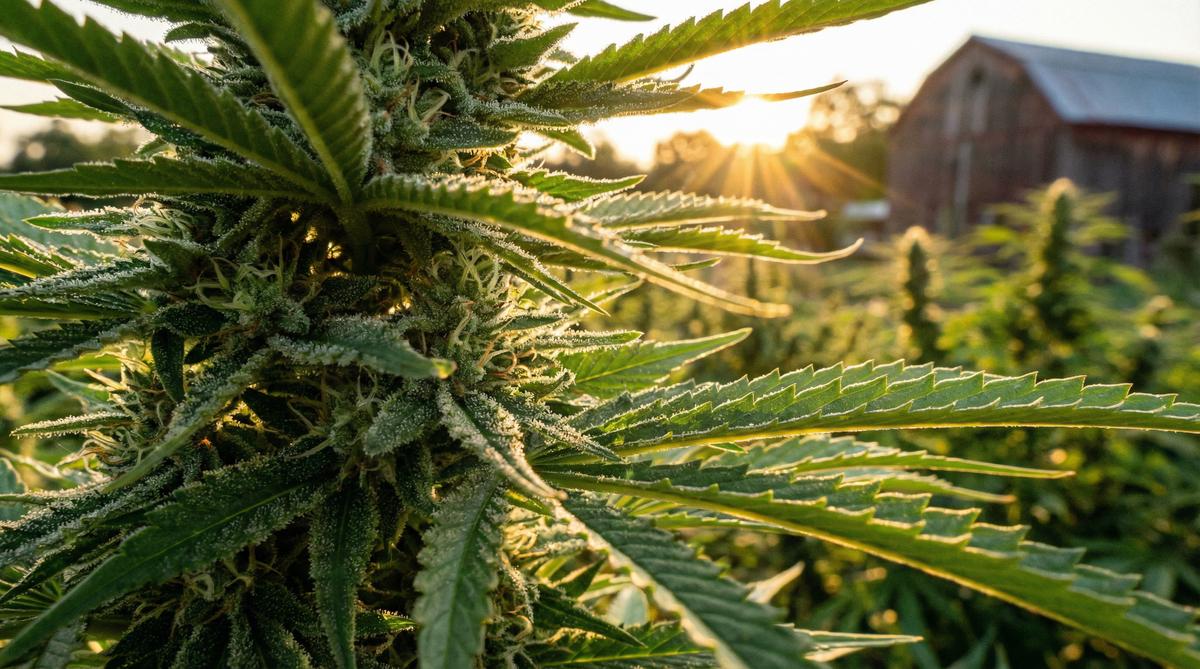
Always opt for products made from organically grown hemp in countries with strict farming regulations, such as the USA or EU. This reduces the risk of harmful chemicals that can worsen your health.
4. Potency and Dosage
Potency varies widely, from 250 mg to 5000 mg of CBD per bottle. Start with a lower dose and gradually increase based on your response. Chronic pain often requires consistent dosing over several weeks, so choose a concentration that fits your needs and budget.
5. Carrier Oils and Ingredients
Many CBD oils use carrier oils like MCT (derived from coconut oil) or hemp seed oil which help with absorption. Also check for any added flavors, preservatives, or allergens if you have sensitivities.
Comparing Popular CBD Oils for Chronic Pain
| Brand | Type | Potency | Price (per 30ml) | Third-Party Tested |
|---|---|---|---|---|
| GreenLeaf Wellness | Full-Spectrum | 1000 mg | $59.99 | Yes |
| Pure Relief CBD | Broad-Spectrum | 750 mg | $49.99 | Yes |
| Zen Pain Free | Isolate | 1500 mg | $69.99 | Yes |
Are There Any Risks or Side Effects?
While CBD is generally well-tolerated, some people experience mild side effects like fatigue, dry mouth, or changes in appetite. It can also interact with certain medications, so always consult your healthcare provider before starting CBD, especially if you’re on blood thinners or other prescriptions.[2]
FAQ About CBD Oil for Chronic Pain
Is CBD oil legal?
CBD oil derived from hemp containing less than 0.3% THC is legal in many countries, including the US and UK. However, regulations vary, so check your local laws.
How long does it take for CBD oil to relieve chronic pain?
Effects can appear within 30 minutes to 2 hours after taking CBD oil, but chronic pain management often requires consistent use over several weeks for best results.
Will CBD oil show up on a drug test?
Full-spectrum CBD oils may contain trace amounts of THC that could show up on sensitive drug tests. Broad-spectrum or isolate products have no THC and are less likely to trigger positive results.
Can I take CBD oil with my other medications?
CBD can interact with some medications, especially blood thinners. It’s crucial to talk with your doctor before combining CBD with prescription drugs.
What’s the best way to take CBD oil for chronic pain?
Sublingual drops (placing oil under your tongue) allow for fast absorption. Some people also use capsules, edibles, or topical creams, depending on their preference and pain location.
Final Thoughts
Finding effective CBD oil for chronic pain doesn’t have to be overwhelming. Focus on quality: third-party testing, hemp origin, cannabinoid spectrum, and your personal needs. If you’re ready to give CBD a try, GreenLeaf Wellness offers a trusted full-spectrum option with rigorous lab testing — it’s one of the best on the market.
Or, if you prefer a THC-free product, Pure Relief CBD has a broad-spectrum oil that’s popular among my patients.
Remember, chronic pain is personal, and what works well for one person might differ for another. Give yourself patience and time to find the right fit.
Wishing you relief and wellness,
Dr. Michael Torres