CBD Oil vs. CBD Capsules for Pain Relief: Which Is Best for You?
By Dr. Michael Torres
Living with chronic pain can be exhausting, and finding effective relief that fits your lifestyle is a journey many of us know well. CBD products have surged in popularity for managing pain, but when it comes to choosing between CBD oil and CBD capsules, it can feel a bit overwhelming. As someone who’s spent years researching and supporting patients through their chronic pain management, I want to break down the pros and cons of each in a straightforward way. Let’s explore which option might be the best fit for your needs.
Understanding CBD and Its Role in Pain Relief
Cannabidiol, or CBD, is a compound extracted from the hemp plant. Unlike THC, it doesn’t produce a “high” but interacts with our body’s endocannabinoid system, which plays a role in regulating pain, inflammation, and mood. Studies have shown promising evidence that CBD can help reduce pain and inflammation, making it a popular natural alternative for chronic pain sufferers.
According to the NHS, while research is ongoing, many people report improvements in their symptoms with CBD use. Always remember, though, to consult your healthcare provider before starting any new treatment.
CBD Oil: The Classic Choice
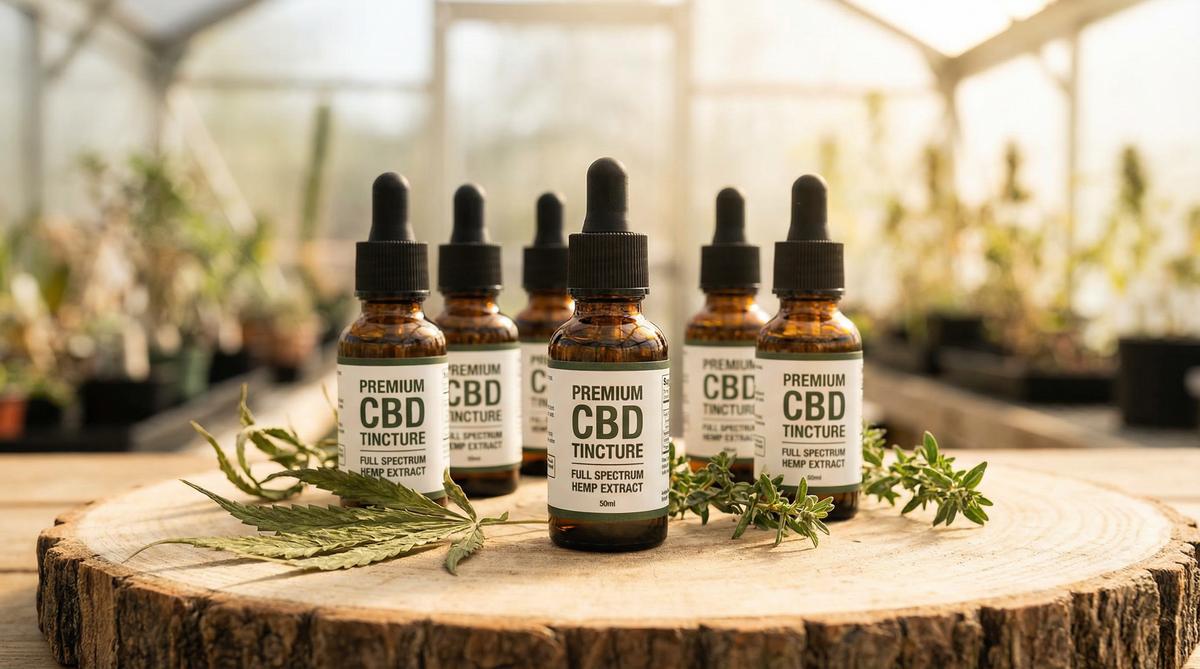
CBD oil is typically taken sublingually (under the tongue) using a dropper. This method allows the CBD to enter your bloodstream relatively quickly — usually within 15 to 45 minutes — providing faster relief, which can be crucial for pain flare-ups.
Advantages of CBD Oil
- Fast absorption: Under-tongue use bypasses the digestive system.
- Flexible dosing: Easily adjust how much you take.
- Versatility: Can be added to drinks or food if preferred.
Considerations
Some people find the taste of CBD oil earthy or bitter, and the oil texture might feel a bit oily for everyday use. Also, because it’s a liquid, measuring exact doses can sometimes be tricky for beginners.
CBD Capsules: Convenience and Consistency
CBD capsules contain a pre-measured amount of CBD, making it easy to know exactly how much you’re taking each time. Capsules offer a familiar and discreet way to take CBD, especially for those who don’t like the taste of oils.
Advantages of CBD Capsules
- Consistent dosing: Every capsule contains a precise amount.
- Convenience: Easy to carry and take on the go.
- Taste-free: No bitter aftertaste.
Considerations
Because capsules must be digested, the onset of pain relief is slower—typically 1 to 2 hours—and bioavailability (how much CBD actually reaches your bloodstream) tends to be lower compared to oils. Also, if you have trouble swallowing pills, capsules might not be the best option.
Comparing CBD Oil and CBD Capsules for Pain Relief
To give a clear picture, here’s a quick comparison table highlighting the main features you should consider:
| Feature | CBD Oil | CBD Capsules |
|---|---|---|
| Onset Time | 15-45 minutes (sublingual absorption) | 1-2 hours (digestive absorption) |
| Bioavailability | Approx. 13-35% (varies by method) | Approx. 6-20% (lower due to digestion) |
| Dosing Flexibility | Highly adjustable | Fixed per capsule |
| Taste | Earthy, sometimes bitter | Tasteless |
| Convenience | Less portable, needs careful dosing | Very portable and easy to use |
What Does Research Say?
A 2018 study (NCBI) demonstrated that CBD has a significant role in modulating pain and inflammation pathways. While this doesn’t specify oil versus capsules, the delivery method impacts how quickly and effectively you might feel relief.
The FDA currently regulates CBD products with caution and recommends consumers buy from reputable sources to ensure safety and quality (FDA). This is crucial to avoid products with inconsistent potency or contaminants.
Choosing What Works for You
Ultimately, the decision between CBD oil and capsules comes down to your personal preferences and lifestyle. If you want quicker results and don’t mind the taste, CBD oil might be your best bet. If you value convenience, consistent dosing, and a taste-free option, capsules could be the way to go.
Many chronic pain patients find benefit in starting with an oil to gauge their tolerance, then transitioning to capsules for daily maintenance. Always start with a low dose and increase gradually while monitoring how your body responds.
Ready to Try CBD for Pain Relief?
To help you get started, I recommend these trusted, high-quality products:
- Premium Full-Spectrum CBD Oil – Offers fast-acting relief and flexible dosing.
- CBD Capsules – Perfect for consistent daily use without the taste.
Both products undergo rigorous testing to ensure purity and potency, so you can feel confident in your purchase. Click through to explore these options and find the one that fits your pain management journey best.
FAQs About CBD Oil and Capsules for Pain Relief
- Is CBD oil or capsules better for chronic pain?
- It depends on your needs: CBD oil works faster, capsules offer convenience and consistent dosing.
- Can I take CBD oil and capsules together?
- Yes, some people use oil for quick relief and capsules for maintenance, but consult your doctor first.
- Are there any side effects?
- CBD is generally well tolerated, but some may experience fatigue, dry mouth, or digestive issues.
- How do I know what dose to take?
- Start low and go slow; consult a healthcare professional for personalized advice.
- Is CBD legal and safe?
- CBD derived from hemp with less than 0.3% THC is legal in many areas, but always check local laws and buy reputable products.
Start Your Journey to Pain Relief Today
Don’t let chronic pain hold you back any longer. Explore our premium CBD oil or convenient CBD capsules and find the relief you deserve.
Remember, choosing the right CBD product is personal — listen to your body and consult healthcare professionals as needed.