How to Identify Fake CBD Oil Products for Chronic Pain Relief
By Dr. Michael Torres
If you’re living with chronic pain, you know how crucial it is to find reliable relief. CBD oil has gained a lot of attention as a natural way to help ease discomfort, but unfortunately, not all CBD products are created equal. The rise in popularity has sadly led to an influx of fake or low-quality CBD oils on the market, which can be ineffective at best and harmful at worst.
Why Fake CBD Oils Are a Big Problem
Fake CBD oils may contain little to no actual cannabidiol, harmful additives, or misleading ingredient lists. According to the FDA, many products marketed as CBD are either mislabeled or contain contaminants like pesticides and heavy metals. This poses a significant risk for people relying on CBD oil for chronic pain relief.
Personal Experience: My Journey with CBD and Chronic Pain
As a physician specializing in pain management, I’ve seen firsthand how effective high-quality CBD oil can be for some patients. But early in my practice, I encountered patients frustrated by inconsistent effects—often because they unknowingly purchased fake or poor-quality CBD. That’s why I’m sharing this guide; I want you to avoid those pitfalls and confidently choose a product that works.
How to Spot Fake CBD Oil Products
1. Check for Third-Party Lab Testing
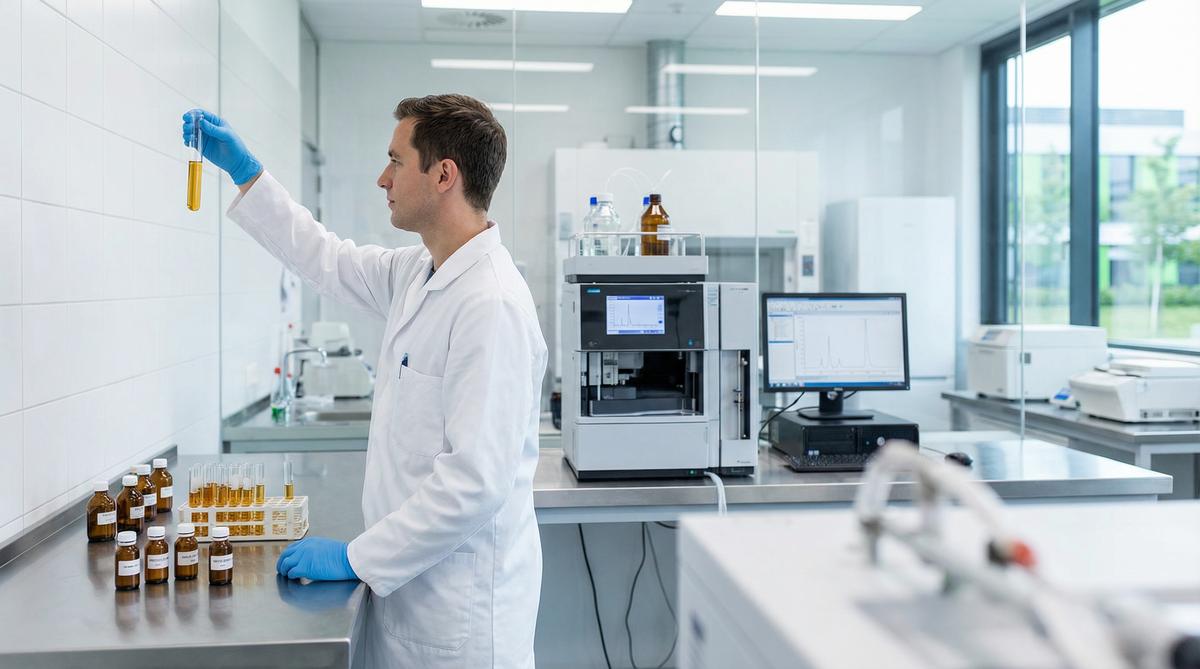
Reputable CBD companies provide third-party lab reports, often called Certificates of Analysis (COA). These reports verify the cannabinoid content and confirm absence of harmful contaminants. The UK’s Food Standards Agency (FSA) encourages transparency in testing to protect consumers. Without this documentation, you should be skeptical.
2. Analyze the Label Carefully
Look for clear information about CBD concentration (usually in mg), the source of the hemp, extraction methods, and ingredients. Beware of labels that claim to cure diseases or promise instant results—such claims are often illegal and a red flag (FDA).
3. Avoid Prices That Seem Too Good to Be True
High-quality CBD oil requires careful extraction and testing, which costs money. Extremely cheap products often cut corners or contain fillers instead of genuine CBD.
4. Purchase from Trusted Sources
Buy from reputable websites or stores rather than random marketplaces. Trusted sellers often have customer reviews and offer clear return policies, which adds confidence.
Comparison Table: Real vs. Fake CBD Oil
| Feature | Real CBD Oil | Fake CBD Oil |
|---|---|---|
| Third-Party Lab Testing | Available with accessible COA | Absent or unverifiable |
| Label Information | Clear dosage, ingredients, hemp source | Vague or missing details |
| Price | Moderate to high (reflects quality) | Suspiciously low |
| Extraction Method | CO2 or ethanol extraction specified | Not mentioned or unknown |
| Customer Reviews | Generally positive and transparent | Limited, overly positive, or fake-looking |
Additional Tips to Ensure Authenticity
- Smell and Taste: Genuine CBD oil has an earthy, natural flavor, while fake oils may taste chemical or burnt.
- Check the Hemp Source: Look for products sourced from countries with strict farming regulations (like the US or EU).
- Consult Your Healthcare Provider: Always discuss CBD use with your doctor, especially if you have underlying conditions or take medications.
Why Quality Matters for Chronic Pain Relief
One scientific study published in Frontiers in Pharmacology highlights that CBD’s effectiveness depends significantly on its purity and the presence of other cannabinoids (PMCID: PMC6770351). Fake products lacking real cannabinoids won’t deliver the same benefits and could cause adverse effects due to contaminants.
Ready to Try Reliable CBD Oil for Pain?
If you want to bypass all the headaches of identifying authentic products, I recommend checking out trusted, lab-tested CBD oils designed specifically for chronic pain relief.
Explore My Top CBD Oil Picks for Chronic Pain — only quality brands that I personally endorse.
Frequently Asked Questions
How do I know if CBD oil is fake?
Check for third-party lab reports, clear labeling, and avoid suspiciously cheap prices. Genuine products will also have a trustworthy source and clear customer feedback.
Is fake CBD oil harmful?
Yes, fake CBD oil can contain harmful contaminants like pesticides or solvents, which might worsen your health or cause allergic reactions.
Can I trust customer reviews online?
Customer reviews can be helpful but sometimes are manipulated. Look for detailed, balanced reviews on reputable websites or consult healthcare professionals.
What extraction method is best for CBD oil?
CO2 extraction is considered the gold standard for purity and safety, followed by ethanol extraction. Avoid products that don’t specify their extraction method.
How should I store CBD oil to keep it fresh?
Store CBD oil in a cool, dark place away from heat and sunlight to preserve its potency and prevent degradation.
Choosing high-quality CBD oil can make a profound difference in managing chronic pain. Don’t let fake products stand in your way — use this guide to shop smart and stay safe.
Discover trusted CBD oils now and start feeling relief today!