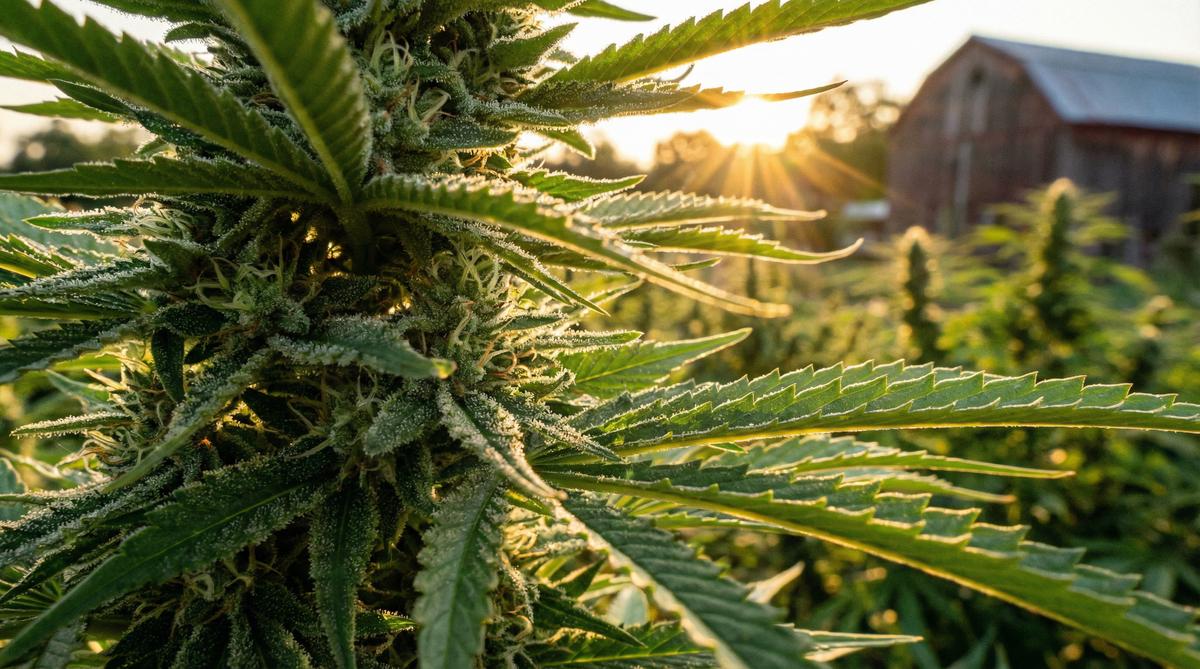
How to Incorporate CBD Oil into Your Chronic Pain Treatment Plan
By Dr. Michael Torres
Living with chronic pain can feel like a never-ending battle. As someone who has worked closely with patients seeking relief, I understand how frustrating it is when traditional treatments don’t quite cut it. Over the past few years, I’ve seen a growing interest in CBD oil as a complementary approach to managing chronic pain, so I wanted to share some practical advice on how to incorporate it into your treatment plan safely and effectively.
What is CBD Oil and Why Consider It?
CBD, or cannabidiol, is a compound found in hemp plants that interacts with your body’s endocannabinoid system, which plays a role in regulating pain and inflammation (National Health Service, UK). Unlike THC, another well-known hemp compound, CBD doesn’t cause intoxication or “high” feelings. In recent clinical studies, CBD has shown promise in reducing chronic pain symptoms, neuropathic pain, and improving quality of life (National Institutes of Health, 2018).
Consult Your Healthcare Provider First
Before you dive in, it’s important to discuss CBD with your doctor. Although CBD is generally well-tolerated, it can interact with certain medications, like blood thinners or antidepressants (U.S. Food & Drug Administration, 2021). Your healthcare provider can help you assess whether CBD is a suitable addition for you and monitor any possible side effects.
How to Start Incorporating CBD Oil
When starting CBD oil, it’s best to begin low and go slow. Here’s a step-by-step approach I’ve found helpful for many patients:
- Choose a reputable product. Quality matters. Look for products that provide third-party lab results and are made from organically grown hemp.
- Start with a low dose. Begin with a small amount, like 5-10 mg per day, to see how your body responds.
- Track your symptoms and effects. Keep a journal noting pain levels, sleep quality, and any side effects.
- Adjust gradually. If you don’t notice improvement after a week, slowly increase your dose by 5 mg increments.
Methods of Taking CBD
CBD oil comes in several forms, and your choice depends on personal preference and lifestyle. Here’s a quick comparison:
| Method | Onset Time | Duration | Pros | Cons |
|---|---|---|---|---|
| Tinctures (sublingual) | 15-30 minutes | 4-6 hours | Easy dosing, fast absorption | Can have an earthy taste |
| Capsules | 30-90 minutes | 6-8 hours | Convenient, tasteless | Slower onset, fixed dose |
| Topicals (creams, balms) | 10-15 minutes | 2-3 hours | Targeted relief, non-psychoactive | Limited systemic effects |
| Edibles | 30-120 minutes | 6-8 hours | Discreet, long-lasting | Delayed onset, variable dosing |
Integrating CBD Oil with Other Therapies
CBD oil shouldn’t replace your current treatments unless advised by your physician. Instead, consider it as part of a comprehensive pain management plan that might include physical therapy, mindfulness practices, or medications. Some patients find that adding CBD reduces the need for opioids or anti-inflammatory drugs, but always communicate changes to your healthcare team.
Monitoring and Adjusting Your Plan
Chronic pain is complex and often fluctuates. Regular check-ins with your doctor to discuss your pain levels and any changes after starting CBD are crucial. Adjust dosage or methods as needed, and be patient—finding the right balance can take weeks.
Where to Buy High-Quality CBD Oil
Given the growing market, it’s essential to choose reliable brands that comply with regulatory standards. Look for products that:
- Use hemp grown in the USA or EU.
- Provide Certificates of Analysis (COA) from third-party labs.
- Contain less than 0.3% THC, aligning with legal standards (FDA).
For those ready to explore quality options, I recommend checking out these trusted CBD oils:
- Calm Relief CBD Oil – high potency, broad-spectrum, great for overall pain management.
- PureEase CBD Tincture – ideal for beginners, organic ingredients, fast-acting.
Frequently Asked Questions about CBD Oil and Chronic Pain
1. Is CBD oil legal?
Yes, CBD oil derived from hemp with less than 0.3% THC is legal in many countries, including the U.S. However, regulations vary, so check your local laws.
2. Will CBD oil make me feel high?
No. CBD is non-psychoactive and does not produce a high. Products with THC can cause intoxication, but most CBD oils contain negligible THC.
3. How soon can I expect pain relief?
Effects vary by person and method of intake. Some people feel relief within 15-30 minutes with tinctures, while edibles may take longer.
4. Are there any side effects?
CBD is generally safe but can cause mild side effects like fatigue, dry mouth, or digestive discomfort in some individuals.
5. Can I use CBD oil with my current medications?
Potential interactions exist; consult your doctor before combining CBD with other medications.
Final Thoughts
Incorporating CBD oil into your chronic pain treatment plan can be a game-changer, but it’s essential to approach it thoughtfully. Start with small doses, keep your healthcare provider in the loop, and use high-quality products from trusted sources. If you’re ready to explore, Calm Relief CBD Oil offers a great starting point, while PureEase CBD Tincture is perfect for those new to CBD.
Remember, managing chronic pain is a journey — and every step toward relief matters.