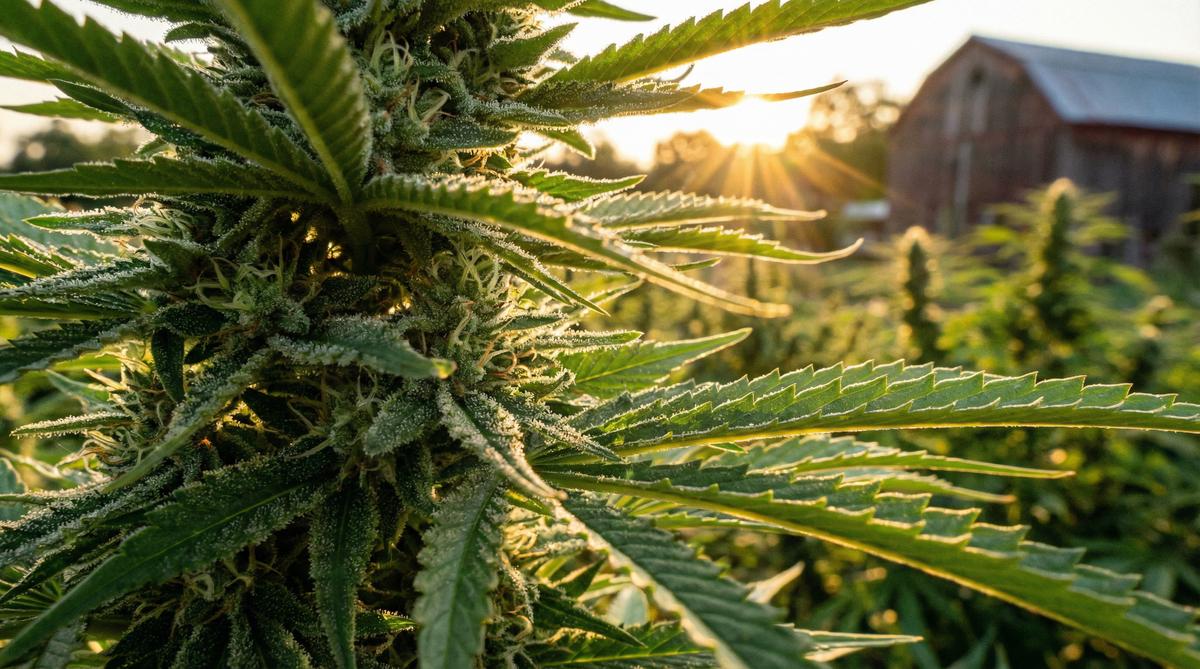
How to Make Your Own CBD Oil for Chronic Pain at Home: A Step-by-Step Guide
Hi, I’m Dr. Michael Torres. If you’re reading this, chances are you or a loved one is managing chronic pain, and you’re curious about whether CBD oil can help—and maybe even wondering if you can make your own at home. I’ve worked with patients who struggle with chronic pain for years, and I know firsthand how frustrating it can be to find effective relief. Today, I want to guide you through making your own CBD oil for chronic pain, with safety, quality, and effectiveness in mind.
Why Consider Making Your Own CBD Oil?
CBD (cannabidiol) has gained a lot of popularity for its potential to ease chronic pain without the psychoactive effects of THC. While many commercial products exist, making your own CBD oil at home offers some unique advantages:
- Control over ingredients: You know exactly what’s going into your oil—no fillers or preservatives.
- Cost-effective: Over time, homemade CBD oil can be less expensive than store-bought versions.
- Customization: Adjust potency and carrier oils to suit your preferences and skin sensitivities.
Of course, it’s important to proceed carefully, especially when dealing with chronic pain and health supplements. Always consult with your healthcare provider before adding CBD oil to your routine.
Understanding CBD Oil Basics
CBD oil is typically made by extracting CBD from hemp plants and diluting it with a carrier oil, such as coconut or olive oil. The final product is a tincture that can be taken orally or applied topically.
According to the NHS, CBD products must contain less than 0.2% THC in the UK to be legal, and in the US, the FDA has guidelines about CBD use and marketing. Always ensure the hemp source you buy complies with regulations.
What You’ll Need to Make CBD Oil at Home
- High-quality hemp flower or CBD-rich hemp extract: Choose organically grown hemp with third-party lab testing.
- Carrier oil: MCT oil (from coconut), olive oil, or hemp seed oil work well.
- Double boiler or slow cooker: For gentle heating.
- Grinder: To break up hemp flower.
- Cheesecloth or fine strainer: To filter plant material.
- Glass jar or dropper bottle: For storage.
Step-by-Step Guide: Making CBD Oil at Home
Step 1: Decarboxylate Your Hemp Flower
Decarboxylation is heating the hemp to activate the CBD. Raw hemp contains CBDA, which converts to CBD through heat.
- Preheat your oven to 240°F (115°C).
- Break up the hemp flower into small pieces with a grinder or by hand.
- Spread the hemp evenly on a baking sheet lined with parchment paper.
- Bake for about 40 minutes, stirring every 10 minutes to ensure even heating.
This step is essential, as it unlocks the therapeutic potential of CBD.
Step 2: Infuse the Carrier Oil
Once decarboxylated, you’ll infuse the hemp into your chosen carrier oil.
- Add the decarboxylated hemp and carrier oil to a double boiler or slow cooker.
- Heat gently at about 130°F (54°C) for 4-6 hours—do not let the oil boil or burn.
- Stir occasionally to keep the mixture even.
This slow infusion allows the CBD to dissolve into the oil.
Step 3: Strain Your CBD Oil
After infusion, strain the oil through cheesecloth or a fine mesh strainer to remove all plant material.
- Gather the cheesecloth around the oil and squeeze gently to get as much oil out as possible.
- Discard the leftover plant matter responsibly.
Step 4: Store Your Oil Properly
Transfer your CBD oil into a dark glass jar or dropper bottle. Store in a cool, dark place to preserve potency.
Label your bottle with the date and potency (if known).
Comparison: Homemade CBD Oil vs. Store-Bought CBD Oil
| Feature | Homemade CBD Oil | Store-Bought CBD Oil |
|---|---|---|
| Cost | Usually lower over time, depends on hemp quality | Varies; some premium brands are expensive |
| Control over ingredients | Full control—no additives or preservatives unless added intentionally | May contain fillers, flavors, or preservatives |
| Potency consistency | Variable; dependent on hemp and process | Standardized and lab-tested for consistency |
| Convenience | Requires time and effort | Ready to use immediately |
| Lab Testing | Not unless you send samples | Often third-party tested and certified |
Safety and Legal Considerations
Before you start, check the laws regarding hemp and CBD in your country or state. In the US, the FDA oversees CBD products, but regulations are still evolving. Always buy hemp from reputable suppliers who provide third-party lab testing to confirm low THC content and lack of contaminants.
Also, be aware of possible drug interactions if you take medications—CBD can alter how some drugs work. Discuss this with your doctor.
Frequently Asked Questions (FAQ)
1. Will homemade CBD oil relieve chronic pain?
CBD oil has shown promise in managing chronic pain, but effects vary person to person. Scientific studies, such as one published in Frontiers in Pharmacology, support CBD’s anti-inflammatory and analgesic properties, though more research is needed (PMCID: PMC2503660).
2. How much CBD oil should I take for chronic pain?
Dosage depends on your weight, pain severity, and tolerance. Start low (5-10 mg per day) and gradually increase. Always consult your healthcare provider before starting.
3. Can I use CBD oil alongside other pain medications?
CBD may interact with certain medications, such as blood thinners. Talk with your doctor if you’re on prescription drugs to avoid adverse effects.
4. How long does homemade CBD oil last?
Stored in a cool, dark place, homemade CBD oil can last up to 6 months. Use a dark glass bottle to protect it from light degradation.
5. Is decarboxylation necessary?
Yes. Decarboxylation activates CBD by converting CBDA to CBD, which is essential for effective pain relief.
Final Thoughts: Is Making CBD Oil at Home Right for You?
Making your own CBD oil at home can be rewarding, giving you control over quality and ingredients. If you’re managing chronic pain, it may provide a natural supplement option to enhance your comfort. However, homemade oils vary in potency and lack standardized testing. If you prefer convenience and consistent dosing, high-quality, lab-tested store-bought oils are a great choice.
Ready to try premium CBD oil formulated specifically for chronic pain relief? Click here to shop trusted CBD oils with verified potency and purity.
Or, if you want to gather your ingredients and get started on your own, browse our recommended hemp flower and oil suppliers for the best quality and value.
Take control of your chronic pain journey—whether with a homemade tincture or a trusted commercial product, relief is within reach.
— Dr. Michael Torres