How to Spot High-Quality CBD Oil for Pain Management: A Doctor’s Guide
Hi there! I’m Dr. Michael Torres, and after years of seeing patients wrestle with chronic pain, I’ve learned how transformative high-quality CBD oil can be as part of a pain management strategy. But with the explosion of CBD products on the market, it’s easy to get overwhelmed or even misled. So, today, I want to walk you through how to spot high-quality CBD oil specifically for managing chronic pain — sharing practical tips, science-backed info, and what to watch out for.
Why Quality Matters When Choosing CBD Oil for Pain
Not all CBD oils are created equal. The therapeutic benefits you might hear about — such as anti-inflammatory and analgesic effects — largely depend on the purity, concentration, and extraction process of the oil you choose. Inferior products can be ineffective or contain harmful contaminants, which is why quality is paramount.
According to the NHS, while CBD products aren’t officially recognized as a licensed medicine, they are regulated as food supplements in the UK, so quality control varies widely. This means you need to be your own advocate when selecting CBD.
Key Factors to Identify High-Quality CBD Oil
1. Look for Third-Party Lab Testing
Reputable brands provide Certificates of Analysis (COA) from independent labs. These reports confirm the potency of CBD and check for harmful substances like pesticides, heavy metals, or residual solvents. Without this transparency, you’re taking a gamble.
2. Check the Extraction Method
CO2 extraction is considered the gold standard because it yields pure, potent CBD oil without toxic residues. In contrast, some cheaper methods use solvents that might leave behind harmful chemicals.
3. Understand the Type of CBD Oil
CBD oil comes in several forms:
- Full-spectrum: Contains all cannabinoids, terpenes, and trace THC (usually less than 0.3%), offering the “entourage effect” that may enhance pain relief.
- Broad-spectrum: Has multiple cannabinoids and terpenes but no THC.
- Isolate: Pure CBD with no other cannabinoids.
Many patients with chronic pain report better results with full-spectrum oils, but if you’re concerned about THC, broad-spectrum or isolate might be better options.
4. Ingredients Matter
High-quality CBD oils usually have minimal, natural ingredients—often just CBD extract mixed with carrier oils like MCT (coconut-derived) or hemp seed oil.
5. Source of Hemp
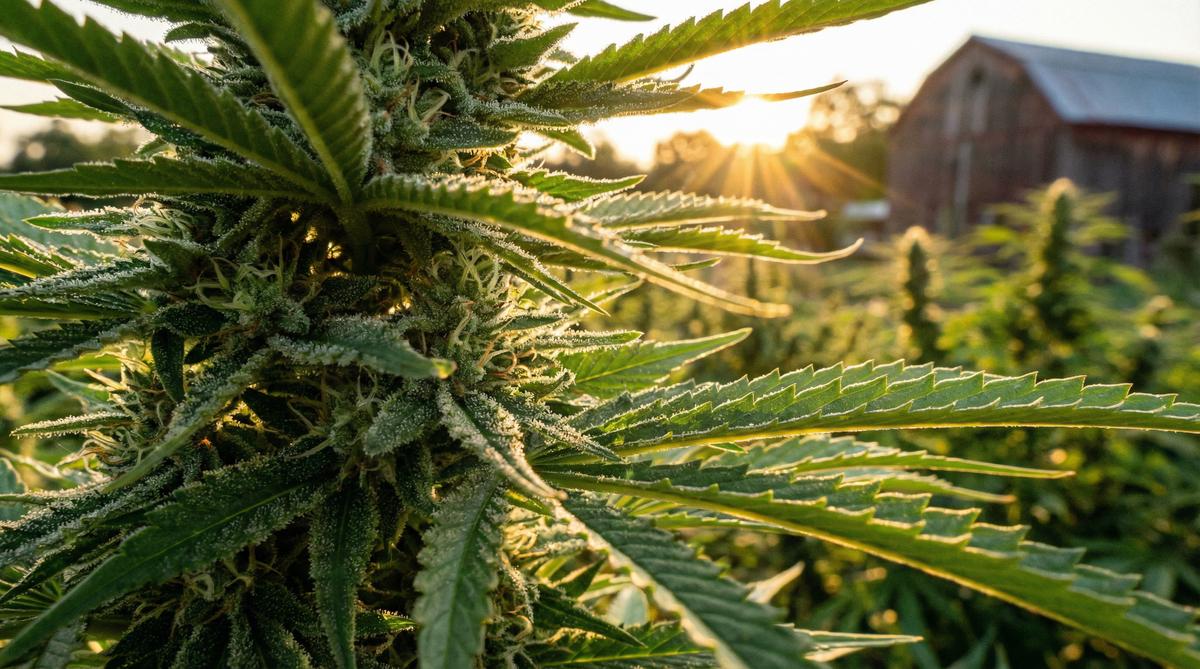
Organic, U.S.- or EU-grown hemp tends to be cleaner and safer because of stringent cultivation standards, reducing the risk of pesticides or herbicides.
Comparing Popular CBD Oils for Chronic Pain
| Brand | Type | CBD Concentration | Third-Party Lab Tested | Price per mL | Best For |
|---|---|---|---|---|---|
| Nature’s Relief | Full-spectrum | 1000 mg per 30 mL | Yes | $0.08 | Severe chronic pain |
| Pure Calm | Broad-spectrum | 750 mg per 30 mL | Yes | $0.07 | Mild to moderate pain, THC-sensitive |
| Isolate Relief | Isolate | 1500 mg per 30 mL | Yes | $0.09 | No THC, pure CBD experience |
Additional Tips When Buying CBD Oil for Pain Management
- Start Low, Go Slow: Begin with a low dose and gradually increase to find what works best for your pain.
- Consult Your Doctor: Especially important if you’re on other medications to avoid interactions. The FDA advises caution about potential drug interactions with CBD (FDA).
- Watch Out For Overblown Claims: The FCA warns about fake claims promising cures. CBD is supportive but not a miracle drug.
Frequently Asked Questions About CBD Oil for Pain
Is CBD oil legal for pain relief?
CBD oil derived from hemp with less than 0.3% THC is legal in many countries, including the US and UK, but regulations vary. Always check your local laws before purchasing.
Can CBD oil cure chronic pain?
CBD oil may help manage symptoms by reducing inflammation and discomfort but is not a cure. It’s best used as part of a comprehensive pain management plan.
How do I choose the right CBD dose?
Start with a low dose (e.g., 5-10 mg) and increase gradually every few days until you find relief. Consulting with a healthcare provider is advisable.
What side effects should I watch for?
CBD is generally well tolerated but can cause dry mouth, dizziness, or digestive issues in some people. Stop use if you experience adverse effects and consult your doctor.
Can I use CBD oil with other medications?
CBD can interact with some medications, especially blood thinners. Always talk to your healthcare provider before combining CBD with prescription drugs.
Ready to Try High-Quality CBD Oil for Your Pain?
If you’re ready to explore CBD as part of your pain management toolkit, I recommend starting with trusted brands that prioritize transparency and quality. Nature’s Relief and Pure Calm are two excellent options that I’ve personally vetted and that many patients trust.
Remember, quality CBD oil can make a big difference in managing chronic pain effectively and safely. Take your time, ask questions, and choose wisely!
Disclaimer: This article is for informational purposes and not medical advice. Consult your healthcare provider before starting any new supplement.