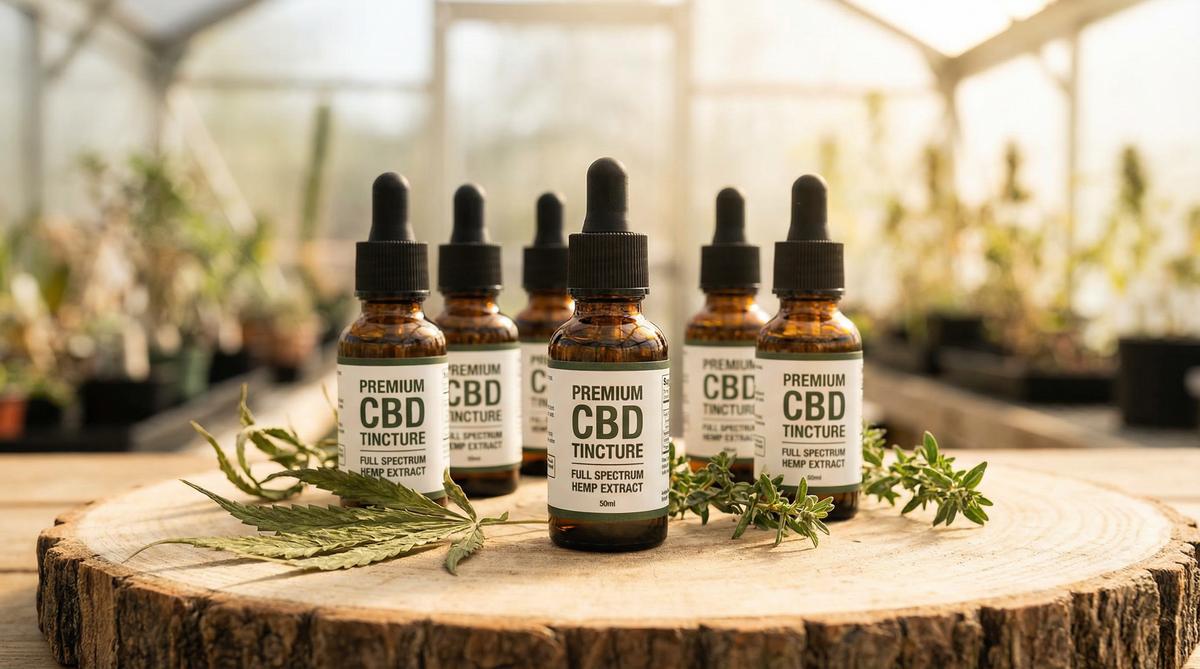
How to Use CBD Oil Safely for Chronic Pain: Dos and Don’ts
Hi there! I’m Dr. Michael Torres, and today I want to talk to you about something many of my patients ask me about: using CBD oil for chronic pain relief. If you’re considering adding CBD oil to your pain management routine, you’re probably wondering what the safest way to do that is. Let’s dive into the dos and don’ts to help you get the most benefits without any unnecessary risks.
Why Consider CBD Oil for Chronic Pain?
Chronic pain affects millions worldwide and can be tough to manage with conventional treatments alone. Many turn to CBD oil as a natural alternative, and emerging research is promising. According to a 2018 review in Frontiers in Pharmacology, CBD exhibits anti-inflammatory and analgesic properties that may help ease pain symptoms.
Dos: How to Use CBD Oil Safely
1. Start Low and Go Slow
One of the biggest mistakes people make is jumping straight to a high dose. I recommend starting with a low dose–for example, 5-10 mg per day–and gradually increasing it while monitoring how your body reacts.
2. Choose Quality Products
Not all CBD oils are created equal. Look for products that are third-party lab tested, free from contaminants, and clearly label their CBD content. The FDA warns consumers about mislabeled and unsafe CBD products, so always buy from reputable brands.
3. Consult Your Healthcare Provider
If you’re currently taking medications or have underlying health conditions, talk to your doctor before starting CBD oil. It can interact with certain drugs, much like grapefruit juice affects some medications. Your healthcare provider can help ensure it’s safe for you.
4. Be Consistent and Patient
Relief from chronic pain using CBD oil may not be immediate. It can take days or even weeks of consistent dosing to notice improvements. Keeping a journal of your symptoms and doses can be helpful.
Don’ts: Common Pitfalls to Avoid
1. Don’t Exceed Recommended Dosages
While CBD is generally well-tolerated, very high doses can cause side effects like drowsiness, dry mouth, or digestive upset. The NHS advises sticking within recommended doses and consulting a professional if unsure.
2. Don’t Mix Without Guidance
Avoid combining CBD oil with alcohol or other sedatives unless advised by your doctor, as this can amplify drowsiness and impair your coordination.
3. Don’t Expect CBD to Replace Medical Care
CBD can complement your pain management but shouldn’t replace treatments prescribed by your doctor. If your pain worsens or new symptoms appear, seek medical advice promptly.
CBD Oil vs Other Chronic Pain Treatments: A Quick Comparison
| Treatment | Effectiveness | Side Effects | Accessibility |
|---|---|---|---|
| CBD Oil | Moderate; improves inflammation and pain perception | Minimal; possible fatigue, dry mouth | Widely available, legal in many regions |
| NSAIDs (e.g., ibuprofen) | Effective for acute pain and inflammation | Gastrointestinal issues, kidney risks with long-term use | Over-the-counter |
| Opioids | High for severe pain but with tolerance risks | Addiction, sedation, respiratory depression | Prescription only |
| Physical Therapy | Varies; improves function and pain via movement | Minimal | Requires appointments or sessions |
If you’re ready to try CBD oil safely, check out my top recommended CBD oil brands here that I’ve vetted personally for quality and efficacy.
Frequently Asked Questions
Is CBD oil legal to use for chronic pain?
In many countries, CBD oil derived from hemp with less than 0.3% THC is legal. However, regulations vary, so always check your local laws before purchasing.
Can CBD oil cause any side effects?
CBD is generally well-tolerated, but some people may experience dry mouth, fatigue, or changes in appetite. Always start with a small dose to gauge your response.
How long does it take for CBD oil to work for pain?
It varies by individual and method of use but typically takes anywhere from 30 minutes (if vaping or sublingual) to several weeks (when taken orally) to notice effects.
Can I drive after taking CBD oil?
CBD alone does not cause intoxication, but some products can cause drowsiness. It’s best to see how you react before driving or operating machinery.
Is CBD oil addictive?
Unlike opioids, CBD is not addictive and does not produce a “high.” It’s considered safe for long-term use under proper guidance.
Final Thoughts
Using CBD oil for chronic pain can be a game changer—but only if you use it wisely. Remember to start slow, choose quality products, consult your healthcare provider, and be patient with your progress. If you want a reliable CBD oil brand I trust, click here to explore my top picks. Here’s to your journey toward better pain management!