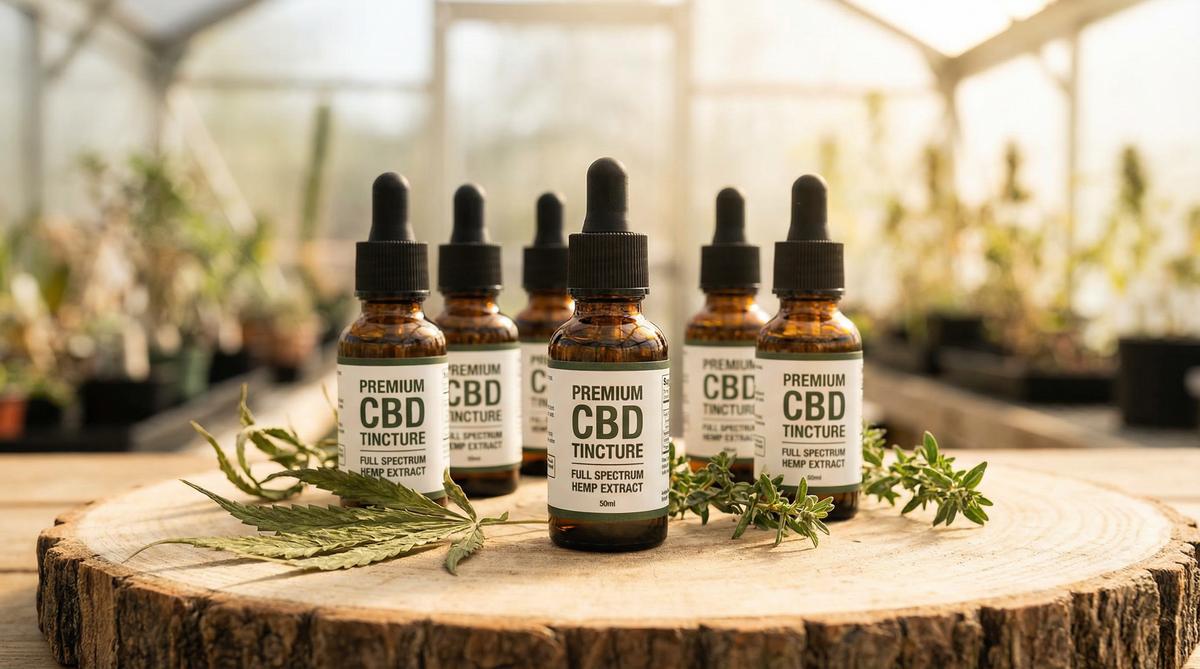
Buyer’s Guide: What to Look for When Purchasing CBD Oil for Pain
Hi, I’m Dr. Michael Torres. If you’re reading this, you’re probably considering CBD oil as a way to manage chronic pain—and you’re asking yourself, “What should I look for in a quality product?” I get it. The market is flooded with options, and making the right choice can feel overwhelming. After working with patients coping with persistent pain for years, I want to walk you through the key factors that separate effective CBD oils from those that might leave you disappointed.
Why Consider CBD Oil for Chronic Pain?
CBD, or cannabidiol, is a non-psychoactive compound derived from hemp plants. Unlike THC, it doesn’t produce a “high.” Many people with chronic pain conditions have found relief by incorporating CBD oil into their wellness routines. The NHS acknowledges that some preclinical studies suggest CBD could reduce inflammation and pain, although they also stress that more clinical trials are needed for definitive proof.
What To Look For When Choosing CBD Oil for Pain
1. Source and Quality of Hemp
Start by checking where the hemp is grown. Organic, non-GMO hemp grown in the USA or Europe is generally held to higher agricultural standards and is less likely to contain harmful pesticides or heavy metals. The FDA warns consumers to be cautious of contaminants in poorly regulated products.
2. Type of CBD Extract
CBD oils come in three main types:
- Full-spectrum: Contains all cannabinoids, including trace THC (below 0.3%), terpenes, and flavonoids, creating what’s known as the “entourage effect,” potentially enhancing pain relief.
- Broad-spectrum: Similar to full-spectrum but without THC, suitable for those who want to avoid THC completely.
- Isolate: Pure CBD without other cannabinoids or terpenes.
For chronic pain, many experts recommend full-spectrum or broad-spectrum formulas because of the synergistic benefits.
3. Concentration and Dosage
CBD oils come in a range of concentrations, from 250 mg up to 5000 mg per bottle. Start low—perhaps 10-20 mg daily—and adjust based on your response. It’s wise to consult with your healthcare provider, especially if you’re on other medications.
4. Third-Party Lab Testing
Trustworthy brands provide Certificates of Analysis (COAs) from independent labs verifying potency and purity. These reports confirm the product contains the stated CBD amount and is free from contaminants like heavy metals, pesticides, and residual solvents.
5. Extraction Method
CO2 extraction is considered the gold standard because it preserves cannabinoids without harsh solvents. Avoid products extracted with chemicals such as propane or butane.
6. Carrier Oils and Ingredients
CBD is often diluted with carrier oils such as MCT oil, hemp seed oil, or olive oil, which can affect absorption and taste. Check for added ingredients; natural flavorings are fine, but skip products loaded with artificial chemicals or fillers.
Comparison Table: Popular CBD Oils for Pain Relief
| Brand | Type | Concentration (mg) | Price (per 30ml) | Third-Party Tested | Extraction Method |
|---|---|---|---|---|---|
| CalmEase | Full-spectrum | 1000 | $59.99 | Yes | CO2 |
| PainFree Naturals | Broad-spectrum | 750 | $49.99 | Yes | CO2 |
| Pure Relief CBD | Isolate | 1500 | $69.99 | Yes | CO2 |
| Nature’s Remedy | Full-spectrum | 500 | $39.99 | Yes | CO2 |
Additional Tips for Buying CBD Oil
- Read Customer Reviews: Real user experiences can offer insight into a product’s effectiveness.
- Watch for Unrealistic Claims: Avoid products that promise to cure or completely eliminate pain.
- Check Legal Status: CBD derived from hemp (<0.3% THC) is legal federally in the US, but check your local laws.
Frequently Asked Questions
1. Is CBD oil safe for long-term use?
Studies suggest that CBD is generally well tolerated, but the long-term effects are still being researched. Always consult a healthcare provider before prolonged use.
2. Will CBD oil show up on a drug test?
Full-spectrum products contain trace THC which might appear on sensitive drug tests. Broad-spectrum or isolates are safer choices if testing is a concern.
3. How soon can I expect results for pain relief?
Some users report relief within hours; others may need several weeks to feel benefits. Consistency is key.
4. Can I take CBD oil with my current medications?
CBD can interact with certain medications. Always check with your doctor before combining treatments.
5. How do I store CBD oil properly?
Keep it in a cool, dark place away from direct sunlight to maintain potency.
Final Thoughts
Choosing the right CBD oil for chronic pain doesn’t have to be complicated. Focus on quality, transparency, and your individual needs. As research advances, CBD remains a promising option for many living with persistent discomfort.
If you’re ready to try high-quality CBD oil backed by rigorous testing, I recommend checking out these trusted brands:
- CalmEase Full-Spectrum CBD Oil – Known for its potency and purity.
- PainFree Naturals Broad-Spectrum CBD – Great for those avoiding THC.
Remember, managing chronic pain is a journey. CBD oil can be a helpful tool along the way, but always combine it with other therapies and professional guidance for the best results.