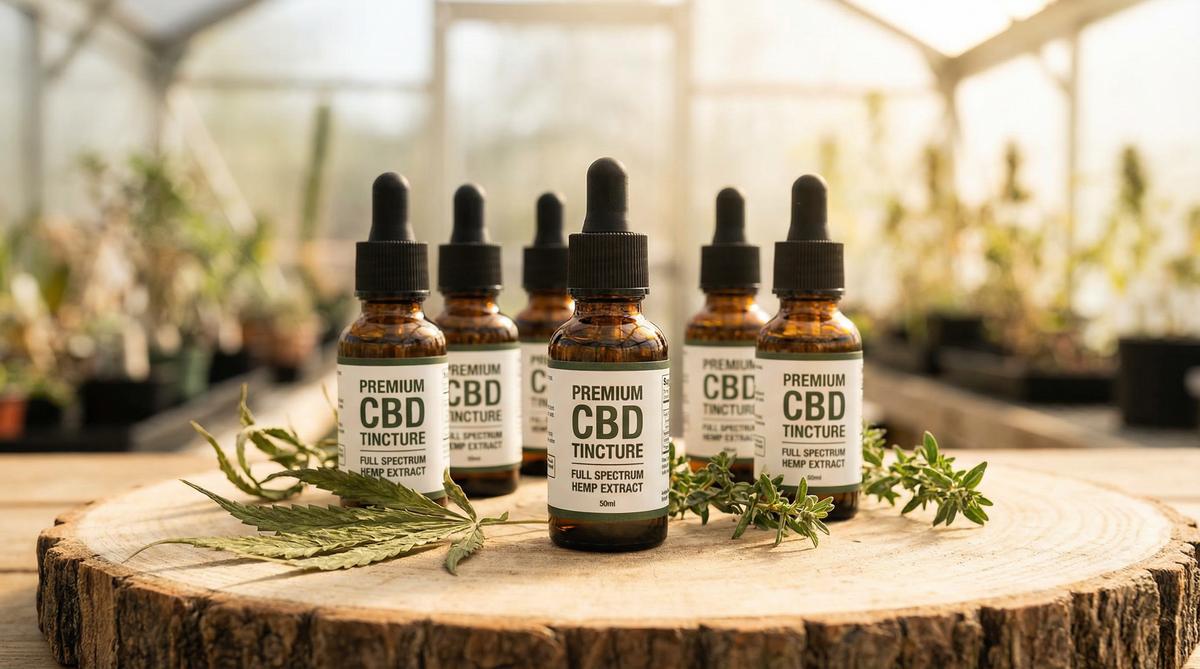
How to Evaluate CBD Oil Potency for Effective Chronic Pain Relief
By Dr. Michael Torres
If you’re navigating the world of CBD oil for chronic pain, one thing you’ll quickly realize is that potency matters. But how exactly do you assess the strength of a CBD product, and what does that mean for your pain management journey?
As a medical professional who’s seen countless patients explore CBD as a complementary approach, I’m here to walk you through the essentials of evaluating CBD oil potency — in a way that’s easy to understand and practical to apply.
Why Potency Is Key for Chronic Pain Relief
Everyone’s body reacts differently to CBD, and the amount you take can make or break its effectiveness. Too little, and you might not notice any relief; too much, and it could cause fatigue or other mild side effects.
Effective chronic pain relief typically requires a tailored dosage based on CBD oil’s concentration — which is what we call potency. According to the NHS, understanding the amount of CBD in milligrams (mg) per dose helps users find a balanced effect without unintended results.
Understanding CBD Potency Labels
When shopping for CBD oil, you’ll see labels like “1000 mg” or “250 mg” on the bottle. But what do these numbers really mean?
- Total CBD Content: This refers to the total amount of cannabidiol contained in the entire bottle. For example, a 30 ml bottle labeled 1000 mg contains 1000 mg of CBD spread throughout that volume.
- Concentration per ml: To find the potency per ml, you divide the total CBD by the bottle’s volume. Using the example above, 1000 mg ÷ 30 ml = about 33 mg/ml.
- Dose per drop: Most droppers deliver about 0.05 ml (or 20 drops per ml). So, each drop roughly contains 1.65 mg of CBD (33 mg/ml × 0.05 ml).
Knowing these calculations helps you control your intake precisely.
Factors Affecting CBD Effectiveness Beyond Potency
It’s important to note that potency isn’t the whole story. The source and quality of the CBD oil, extraction method, and additional cannabinoids can influence how well it works for your pain.
- Full Spectrum vs. Isolate: Full-spectrum oils contain a range of cannabinoids and terpenes, potentially enhancing effectiveness through the “entourage effect” (source: FDA).
- Carrier Oils: Common oils like MCT or hemp seed oil can affect absorption rates.
- Third-Party Testing: Always opt for products that have independent lab results to verify potency and purity.
CBD Potency Comparison: What Works Best for Chronic Pain?
Here’s a quick comparison to help you select the right strength based on your pain level and experience with CBD.
| Potency (mg/ml) | Ideal For | Typical Starting Dose | Notes |
|---|---|---|---|
| 5-10 mg/ml | Mild pain or beginners | 5-10 mg per day | Lower potency, gentle introduction |
| 20-30 mg/ml | Moderate chronic pain | 15-30 mg per day | Balance of effectiveness and safety |
| 40+ mg/ml | Severe or persistent pain | 30+ mg per day | Higher potency; consult healthcare provider |
Tips for Evaluating and Using Potent CBD Oil Safely
To maximize relief and minimize side effects, keep these tips in mind:
- Start Low, Go Slow: Begin with a low dose and gradually increase until you find relief.
- Keep a Journal: Track your dosage, pain levels, and any side effects.
- Consult Your Doctor: Especially if you’re taking other medications or have underlying conditions.
- Check Certificates of Analysis (COA): Make sure the product matches its label potency and is free of contaminants.
Affiliate Recommendations: Trusted CBD Oils for Chronic Pain
If you’re ready to explore potent, high-quality CBD oils, here are two products I personally recommend that consistently meet rigorous standards and deliver results.
- PureRelief Full Spectrum CBD Oil: 30 ml bottle with 1000 mg CBD, extracted using CO2 for purity, ideal for moderate pain.
- CalmEase CBD Isolate Oil: 30 ml bottle with 1500 mg CBD isolate, perfect for those sensitive to THC or who want precise dosing.
Frequently Asked Questions
What does CBD potency mean?
CBD potency refers to the concentration of cannabidiol in a product, usually expressed in milligrams (mg) per milliliter (ml). Higher potency means more CBD per dose, which can impact effectiveness for pain relief.
How do I calculate the right CBD dose for chronic pain?
Start with a low dose (around 5-10 mg), then gradually increase every few days until you experience relief. Consult with a healthcare provider for personalized advice.
Are higher potency CBD oils always better for pain?
Not necessarily. While higher potency oils deliver more CBD per dose, they may cause side effects if taken too quickly. Finding a balanced dosage is key.
How can I verify the potency and quality of a CBD oil?
Look for third-party lab testing results, often called Certificates of Analysis (COAs), which confirm the CBD content and absence of contaminants.
Is CBD oil legal and safe to use for chronic pain?
In many countries, CBD oil derived from hemp with less than 0.3% THC is legal and generally safe. Always check local laws and consult a healthcare professional.
Ready to find your perfect CBD potency? Shop PureRelief Full Spectrum CBD Oil or explore CalmEase CBD Isolate Oil today and start your path toward effective chronic pain relief.
References: