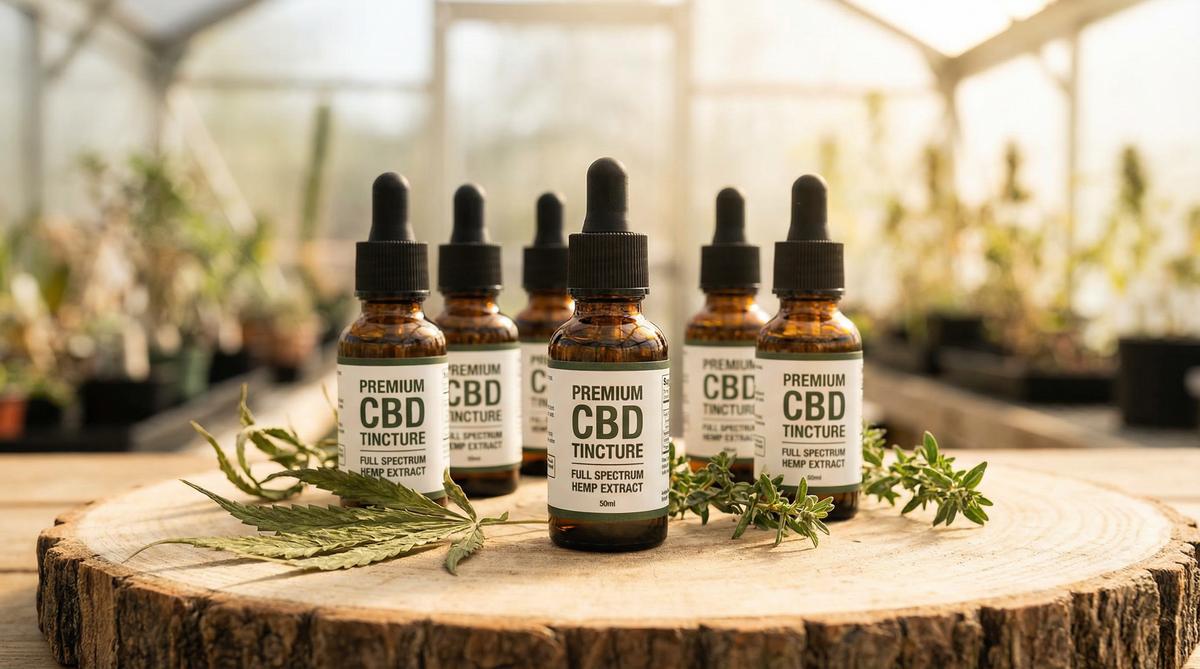
CBD Oil Side Effects for Chronic Pain Patients: What to Expect
By Dr. Michael Torres
If you’re reading this, you’re probably considering CBD oil as a potential option to manage your chronic pain. And that’s totally understandable — with countless anecdotes and emerging research touting CBD’s potential, it’s easy to see why this natural remedy has gained so much attention. But before you jump in, it’s essential to get a clear picture of what side effects you might encounter.
Understanding CBD Oil and Chronic Pain
Cannabidiol (CBD) is one of many compounds found in the cannabis plant, but unlike THC, it doesn’t cause a “high.” Instead, it’s believed to interact with the body’s endocannabinoid system, which plays a role in pain regulation, inflammation, and mood. Many chronic pain patients have turned to CBD oil as an alternative or adjunct to traditional medications, hoping for relief without the harsh side effects of some pharmaceuticals.
What Are the Common Side Effects of CBD Oil?
While CBD is generally considered safe, it’s not completely free from side effects. Here’s a rundown based on clinical observations and patient reports:
- Dry mouth: Some patients notice a cotton-mouth sensation after taking CBD oil.
- Drowsiness or fatigue: Especially at higher doses, CBD can cause tiredness or sleepiness.
- Gastrointestinal issues: Nausea, diarrhea, or changes in appetite can sometimes occur.
- Changes in weight: Some people experience weight gain or loss.
- Dizziness: Less common but possible, especially when standing up quickly.
It’s important to note that these side effects are usually mild and often diminish as your body adjusts to CBD.
How Common Are These Side Effects?
A 2017 review in Frontiers in Pharmacology highlighted that CBD is overall well tolerated with a good safety profile, but side effects can occur depending on dose and individual factors (Iffland & Grotenhermen, 2017). The FDA also stresses that more research is needed, especially concerning long-term effects.
CBD Oil vs. Traditional Pain Medications: Side Effect Comparison
One reason many chronic pain patients consider CBD oil is the hope for fewer or less severe side effects compared to conventional drugs like opioids or NSAIDs. Below is a quick side-by-side look:
| Side Effect | CBD Oil | Opioids | NSAIDs |
|---|---|---|---|
| Drowsiness | Common at high doses | Very common | Rare |
| Risk of Dependence | Low | High | Low to none |
| Gastrointestinal Issues | Mild (nausea, diarrhea) | Common (nausea, constipation) | Common (stomach ulcers, bleeding) |
| Dry Mouth | Common | Common | Rare |
| Serious Side Effects | Rare | Risk of overdose, respiratory depression | Kidney/liver damage with prolonged use |
Who Should Be Careful Using CBD Oil?
CBD, while promising, isn’t for everyone. Here are some groups that should exercise caution:
- Pregnant or breastfeeding women: There’s insufficient data on safety.
- People taking other medications: CBD can interact with drugs like blood thinners or seizure medications.
- Individuals with liver conditions: High doses of CBD might affect liver enzymes.
Always discuss with your healthcare provider before starting CBD, especially if you’re already on medication.
How to Minimize Your Risk of Side Effects
Want to dip your toes into CBD oil without unpleasant surprises? Here’s what I recommend:
- Start low and go slow: Begin with a low dose to see how your body reacts, then gradually increase if needed.
- Choose high-quality products: Look for third-party lab tested CBD oils to ensure purity and accurate dosing.
- Monitor your symptoms: Keep a journal of any side effects or changes in pain levels.
- Consult healthcare professionals: Especially if you have preexisting conditions or take other medications.
FAQs About CBD Oil Side Effects
1. Can CBD oil cause addiction?
CBD is not considered addictive and has a low potential for abuse according to the World Health Organization (WHO, 2018).
2. How long do side effects last?
Side effects usually dissipate within a few hours or days as your body adjusts to the compound.
3. Will CBD oil show up on a drug test?
Pure CBD oil typically won’t, but some products contain trace THC that might cause a positive test.
4. Is it safe to use CBD oil with other medications?
Potential drug interactions exist, so always consult your doctor before combining therapies.
5. What’s the best method to take CBD for chronic pain?
Options include tinctures, capsules, topical creams, or vaping — each with different onset times and durations.
Ready to Give CBD Oil a Try?
If you’re ready to explore CBD oil as part of your chronic pain management plan, I recommend starting with a trusted, high-quality product. This one CBD oil tincture has helped many of my patients experience relief with minimal side effects.
Remember to check your local laws and consult your healthcare provider before making any changes to your treatment strategy.
Final Thoughts
CBD oil offers a promising, generally well-tolerated option for chronic pain patients, but like any treatment, it’s not without potential side effects. The key is informed, careful use. By starting low, monitoring your reactions, and partnering with your doctor, you can navigate the world of CBD with confidence and hope for better pain management.
For more information and to read patient testimonials, visit CBDOilForChronicPain.com.
Affiliate Disclosure: Some of the links in this article are affiliate links, which means I may earn a commission at no additional cost to you if you make a purchase. This helps support my research and writing efforts. Thank you for your support!
Try This Top-Rated CBD Oil for Pain Relief
Shop High-Quality CBD Oils Today